Top Landscaping Services in South Nyack, NY, 10960 | Compare & Call
There are 141 landscaping companies server in South Nyack NY
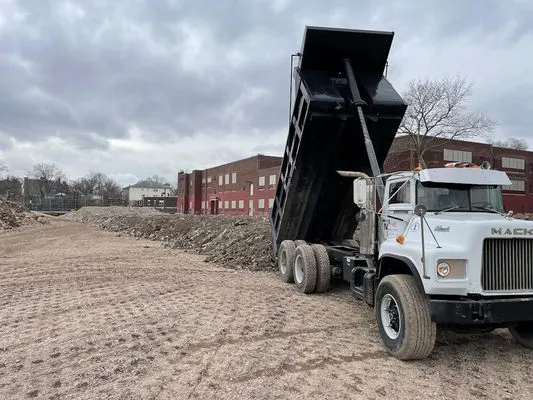
NAC Maintenance Inc. is a trusted landscaping contractor serving Suffern, NY, and the surrounding areas. We specialize in comprehensive outdoor solutions tailored to both residential and commercial pr...

Timberline Tree & Landscape is a family-owned tree service and landscaping company serving Nanuet, NY, and the surrounding Rockland County area since 1978. Founded and operated by Steve DiRocco, a for...
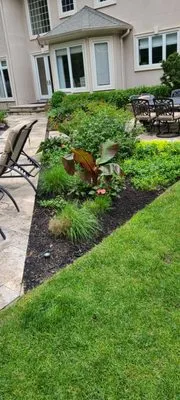
MKG Landscaping is a full-service landscaping company serving Spring Valley, NY, specializing in comprehensive outdoor solutions from design to maintenance. We address common local issues like tree ro...
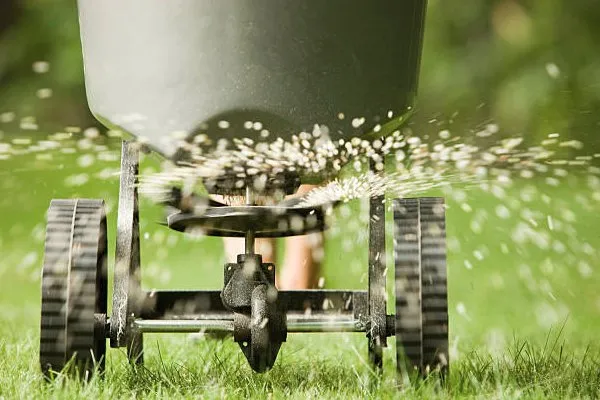
Regal Lawns of Rockland is a trusted lawn care provider serving Suffern, NY, and the surrounding Rockland County area. We specialize in comprehensive lawn care services designed to address common loca...
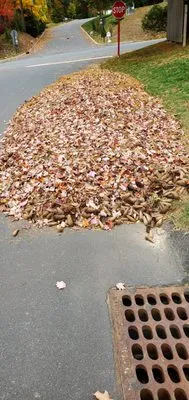
Founded by lifelong Rockland County resident Joe, Majestic Lawn Care & Landscape brings over 30 years of local expertise and a personal touch to every project in New City. A local since 1966, Joe bala...
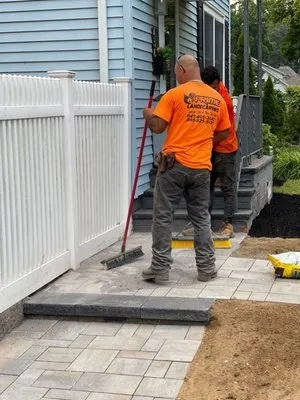
Prime Landscaping & Snow Removal is a locally owned and operated company serving Nanuet, NY, and surrounding areas. We specialize in comprehensive outdoor solutions, including tree services, landscapi...
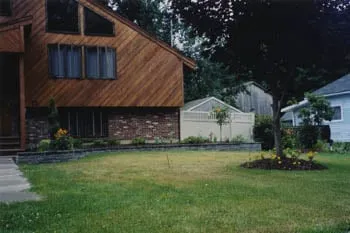
Landscape Impressions Associates brings over 16 years of dedicated expertise to Tuxedo Park and the surrounding Orange County communities. Founded on a combination of formal education—including a degr...
Greenworld Irrigation & Lighting has been serving Haverstraw and the surrounding Rockland County area since 1998, providing reliable irrigation and landscaping solutions. Founded by Brian, a local ent...
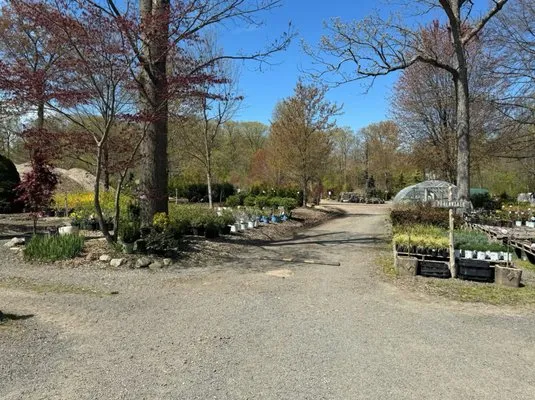
J. Krokus Nursery in New City, NY is a family-owned nursery and greenhouse that has been serving the community since the 1970s. What began as a small one-person operation has grown into a well-establi...
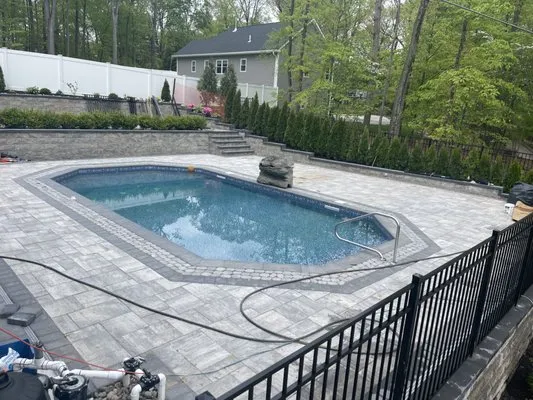
Aguilar Landscaping is a trusted Spring Valley, NY-based contractor specializing in comprehensive landscaping and masonry/concrete services. We help homeowners address common local issues like rock ga...
Estimated Landscaping Service Costs in South Nyack, NY
Frequently Asked Questions
My lawn has compacted, poor soil. Is this just due to the age of my house?
Soil structure in South Nyack often degrades over decades. Homes built around 1943 have soils with an 80+ year history of compression from construction and foot traffic. The prevalent acidic glacial till loam naturally becomes dense, limiting root growth and water percolation. Annual core aeration in early fall is critical to relieve this compaction and incorporate organic compost, which will gradually improve soil tilth and biological activity.
My yard has significant runoff toward the Hudson. What solutions work with our local soil?
The high slope and dense glacial till common here create rapid surface runoff. Installing subsurface French drains or dry creek beds intercepts water before it erodes soil. For hardscapes, using permeable concrete pavers or gravel-set bluestone allows infiltration, reducing the volume of water reaching the street. These solutions often meet the Village of South Nyack Building Department's updated standards for managing stormwater runoff on-site.
Is bluestone or wood a better choice for a patio, considering longevity and fire safety?
Bluestone or permeable concrete pavers offer superior longevity and minimal maintenance compared to wood, which decays in our humid climate. From a Fire Wise perspective, South Nyack's Moderate Urban-Wildland Interface rating recommends non-combustible materials like stone for defensible space within 30 feet of a structure. A properly installed bluestone patio provides a permanent, fire-resistant zone that also manages water runoff effectively.
With voluntary water conservation, how do I keep my Kentucky Bluegrass lawn healthy?
Stage 1 restrictions emphasize efficiency, not deprivation. Smart Wi-Fi soil moisture sensors are calibrated to deliver water only when the root zone of your grass blend reaches a specific deficit. This ET-based irrigation schedule applies water deeply and infrequently, encouraging drought-tolerant roots. This method often uses less water than a timed system while maintaining turf viability, aligning perfectly with municipal conservation goals.
What permits and credentials are needed for regrading my quarter-acre lot?
Significant earth moving or grade changes on a 0.25-acre property typically requires a permit from the Village of South Nyack Building Department to ensure compliance with drainage and erosion control plans. The contractor must hold appropriate licensing through the New York State Department of State. This ensures they carry required insurance and understand state environmental regulations, particularly those protecting the Hudson River shoreline from sediment runoff.
How quickly can a crew respond for emergency storm debris cleanup to meet HOA deadlines?
For urgent compliance or safety issues, our electric fleet can dispatch from a staging area near Hook Mountain State Park. Using I-87 / I-287, we navigate to the South Nyack Village Center typically within the 20-30 minute peak response window. This efficiency is prioritized for post-storm scenarios involving downed limbs or blocked drainage paths that require immediate attention to prevent property damage.
What invasive species should I watch for, and how do I treat them responsibly?
Japanese Knotweed and Mugwort are prevalent invasive alerts in this area. Manual removal or targeted, systemic herbicide applied at the correct growth stage is most effective. Any treatment must avoid violating the New York State Phosphorus Runoff Law; phosphorus-free products are mandatory for established areas. Always schedule applications to avoid peak rain forecasts to prevent chemical movement into the nearby Hudson River watershed.
I want to reduce mowing and gas-powered equipment use. What are my options?
Transitioning perimeter areas to a native plant palette is a strategic solution. Species like Eastern Redbud, Swamp Milkweed, and New England Aster thrive in Zone 7a's acidic soil, require minimal watering once established, and eliminate weekly mowing. This shift reduces dependency on equipment subject to seasonal noise ordinances, while the deep root systems build soil health and support local pollinators, exceeding 2026 biodiversity benchmarks.
