Top Landscaping Services in South Hill, NY, 14850 | Compare & Call
There are 83 landscaping companies server in South Hill NY
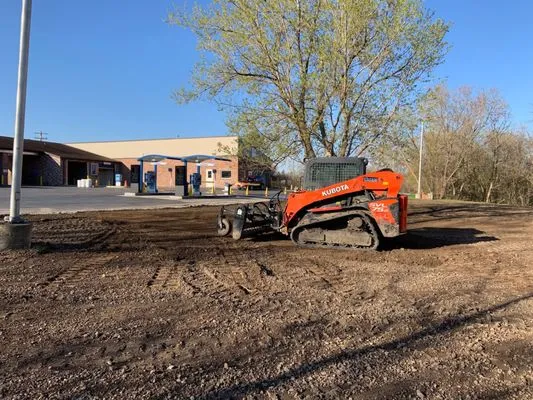
Rycoe Enterprises
Rycoe Enterprises is a locally owned, full-service excavation and landscaping company serving Auburn, NY, and the surrounding Finger Lakes region. Founded in 2013, we specialize in transforming both r...
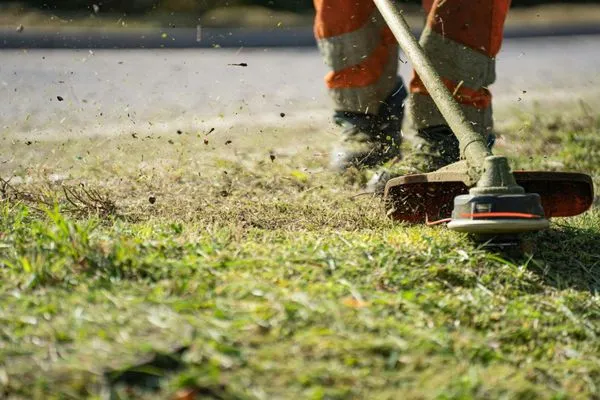
JM Cutting Edge Lawn Care is a family-owned lawn service in Moravia, NY, operated by Josh McUmber. With a background in various trades and a lifelong passion for outdoor work, Josh founded the busines...
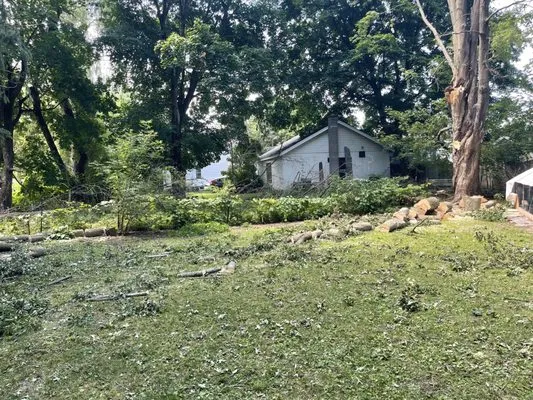
BP Land Clearing is a DeRuyter-based service provider specializing in comprehensive property maintenance and improvement solutions for local residents and businesses. We offer a wide range of services...

Crown City Property Services
Crown City Property Services is a Cortland-based property maintenance company dedicated to making life easier for local homeowners and businesses. We combine junk removal, landscaping, and snow remova...
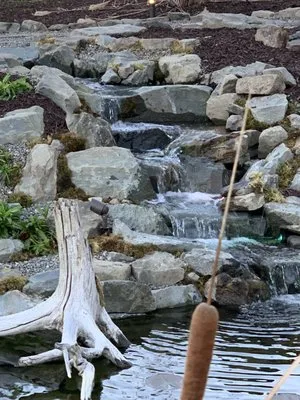
CNY Water Gardens
At CNY Water Gardens in Cincinnatus, NY, we specialize in transforming outdoor and indoor spaces with custom water features that bring lasting beauty and tranquility. Our passion is designing and buil...
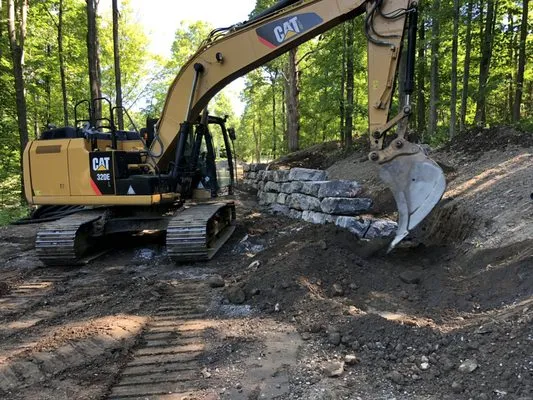
American Earthworks is a trusted, locally-owned excavation, masonry, and landscaping contractor serving Spencer, NY, and the surrounding Finger Lakes region. We approach every residential and commerci...
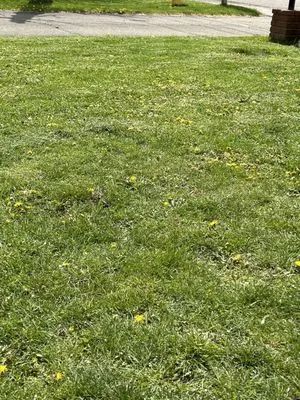
Defides Lawncare Specialists is a locally-owned and operated lawn care service based in Vestal, NY, established in March 2021. With over 8 years of industry experience, including work with companies l...
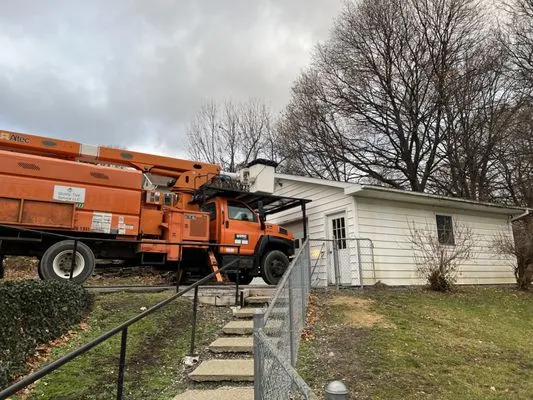
QTS Quality Tree Service is a full-service tree company based in Horseheads, NY, equipped with all the proper equipment needed to handle your tree removal, trimming, and landscaping projects efficient...
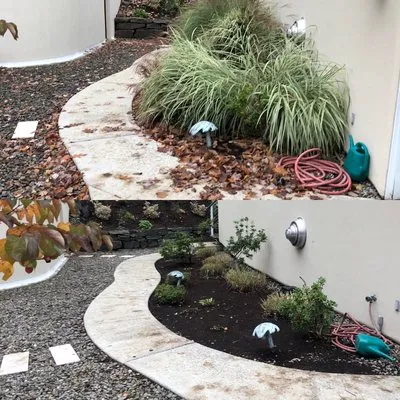
Lawn King is a full-service landscaping company serving Vestal, NY, specializing in comprehensive landscape design, construction, and maintenance. We address common local issues like tree root lawn da...
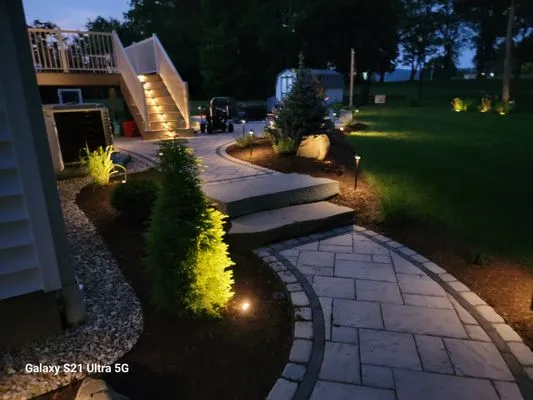
Milton Construction in Endicott, NY, is a trusted local contractor specializing in outdoor living spaces, including landscaping, decks, railings, and patio coverings. With a team of industry experts b...
Estimated Landscaping Service Costs in South Hill, NY
Q&A
Why does my South Hill lawn struggle despite regular care?
South Hill properties built around 1991 have 35-year-old soil profiles. Acidic channery silt loam with pH 5.5-6.5 becomes compacted over decades, restricting root growth and water infiltration. Core aeration every 2-3 years with organic amendments like composted leaf mold addresses this compaction while maintaining soil acidity preferred by native species. This approach improves soil structure more effectively than surface treatments alone.
What solutions address seasonal saturation on sloped lots?
Moderate seasonal saturation in acidic channery silt loam requires improved permeability through French drains or dry creek beds. Bluestone pavers installed with permeable jointing materials meet City of Ithaca Building Division runoff standards while directing water away from foundations. Grading adjustments with erosion-control matting prevent slope washout during heavy spring thaws common in USDA Zone 6a.
How quickly can you respond to storm damage for HOA compliance?
Emergency cleanup crews dispatch from Cornell Botanic Gardens via NY-96B, reaching South Hill properties within 20-30 minutes during peak response windows. We coordinate with municipal storm response teams to prioritize safety hazards like downed limbs blocking driveways. Our electric equipment fleet operates within the 8:00 AM to 7:00 PM noise ordinance window while providing immediate site assessment and debris management.
What low-maintenance alternatives exist for traditional turf?
Transitioning to native plantings like Monarda fistulosa, Asclepias syriaca, Solidago canadensis, and Schizachyrium scoparium reduces maintenance frequency ahead of evolving noise ordinances. These species require no gas-powered blowers, thrive in South Hill's acidic soil without amendments, and support 2026 biodiversity standards. Establishing native meadows on 0.25-acre lots typically cuts water use by 60% and eliminates weekly mowing from May through September.
How do I maintain my lawn during voluntary water conservation?
Smart Wi-Fi soil moisture sensors optimize irrigation for Kentucky Bluegrass and Fine Fescue blends while respecting Stage 1 conservation measures. These controllers use evapotranspiration (ET) data to deliver water only when soil moisture drops below optimal levels, typically reducing usage 25-40% compared to timer-based systems. Deep, infrequent watering at dawn encourages deeper root growth and drought tolerance within municipal limits.
How should I handle invasive species without chemical runoff?
Japanese knotweed and garlic mustard pose significant risks in South Hill's disturbed soils. Manual removal during dry periods prevents phosphorus runoff violations under New York State's Nutrient Runoff Law. Target treatments in early April before native plants emerge, using organic herbicides only on windless days. Cornell Botanic Gardens provides current invasive species alerts and treatment windows that align with local ordinance blackout dates.
Why choose bluestone over wood for patios and walkways?
Bluestone pavers offer superior longevity with minimal maintenance compared to wood decking that requires annual treatment. Their non-combustible nature supports Low Fire Wise ratings in urban-suburban interfaces by creating defensible space. Properly installed bluestone withstands freeze-thaw cycles in Zone 6a for decades without replacement, while permeable installation methods reduce heat island effects and stormwater runoff.
What permits and licenses are needed for landscape grading?
Grading work on 0.25-acre South Hill lots requires erosion control permits from the City of Ithaca Building Division. Contractors must hold appropriate licensing through the New York State Department of State, Division of Licensing Services for earth moving exceeding 50 cubic yards. These regulations ensure proper slope stabilization and prevent sedimentation in municipal systems, with inspections verifying compliance before final approval.
