Top Landscaping Services in South Glens Falls, NY, 12803 | Compare & Call

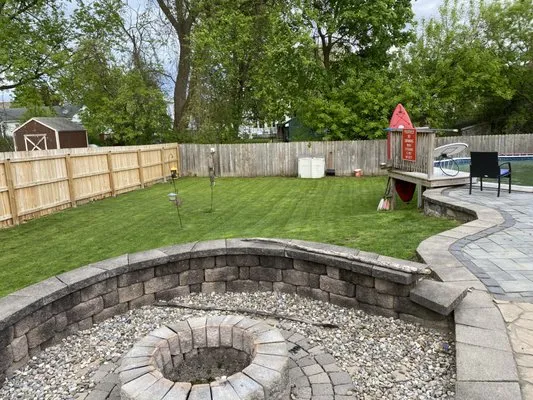
Open View Property Manangement
Open View Property Management in South Glens Falls, NY, is a locally owned and operated business dedicated to transforming and maintaining properties with care and expertise. Founded by a 19-year-old ...
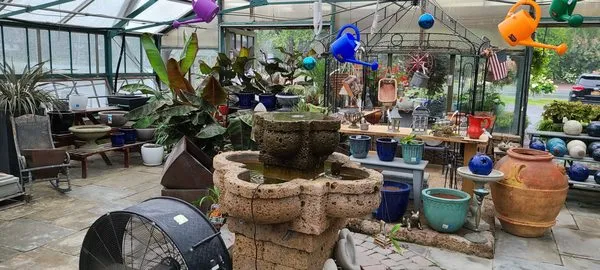
Toadflax Nursery
Since 1990, Toadflax Nursery has been a cornerstone of the South Glens Falls community, growing from a local garden center into a premier full-service nursery and landscape firm. Founded by Rich Morri...
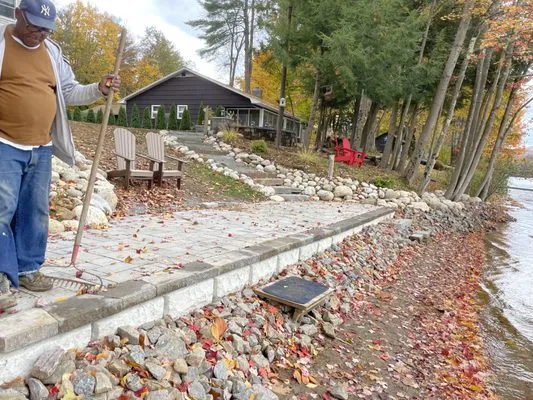
Rootless Landscape is a trusted South Glens Falls landscaping company specializing in solving the area's common lawn problems. Many local properties struggle with poor lawn grading and damage from tre...

Eds Outdoor Enterprise
Eds Outdoor Enterprise is your trusted, year-round outdoor service provider in South Glens Falls, NY. We specialize in comprehensive property care, from precise demolition services for structures and ...
Gilligans C&M is your trusted local contractor in South Glens Falls, NY, specializing in demolition and lawn care services. We help homeowners and businesses tackle tough projects, from total structur...
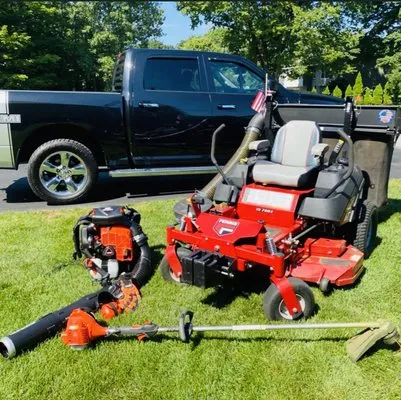
Limitless Landscapes is a Veteran-owned and operated landscaping company in South Glens Falls, NY, founded on a passion for serving the community. We build professional, long-term relationships with r...
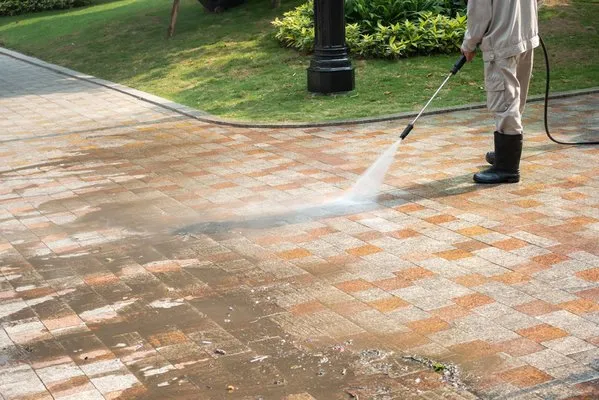
Maintenance Masters in South Glens Falls is a local service provider dedicated to comprehensive property care. We offer a full suite of maintenance solutions, including weekly lawn care, house and pre...
Common Questions
My yard stays soggy long after rain and gets bumpy in winter. What's the cause and a lasting fix?
You are describing the combined effect of a high seasonal water table and frost heave, common here due to our sandy loam's permeability over dense subsoil. Surface water percolates slowly, saturating the root zone. A permanent solution involves installing a French drain system to intercept groundwater. For new patios or walkways, specify permeable concrete pavers or dry-laid bluestone; these meet Building & Zoning Department runoff standards by allowing infiltration, directly mitigating the pooling you see.
Is it wasteful to run my sprinklers if there are no official water restrictions in South Glens Falls?
Efficiency is critical, even under voluntary conservation. Smart Wi-Fi controllers with ET-based scheduling use local weather data to apply only the water lost to evapotranspiration, preventing overwatering. This technology is essential for maintaining Kentucky Bluegrass and Fine Fescue during summer heat without exceeding municipal system limits. Precise irrigation also combats the high water table by avoiding saturation, reducing frost heave risk and fungal disease.
We want to regrade our backyard for better drainage. What do we need to know about permits and hiring?
Regrading that alters water flow or involves significant earth movement typically requires a permit from the South Glens Falls Building & Zoning Department. Crucially, you must hire a contractor licensed by the NY State Department of State. This licensing ensures they understand sediment control laws to prevent runoff into storm systems, a key enforcement area. For a property of this size, improper grading can negatively impact neighboring lots, making professional, licensed work a legal and ethical necessity.
If a storm damages a tree, how quickly can a licensed crew typically get here for an emergency cleanup?
For a true hazard, our target storm response is 20-30 minutes during peak hours. A crew dispatched from the Betar Byway area can access I-87, providing a direct route to most neighborhoods. This rapid response is prioritized for safety-critical situations like blocked driveways or downed lines, ensuring HOA or municipal compliance deadlines are met. We maintain dedicated electric equipment to operate within standard noise ordinance hours starting at 7 AM.
My lawn has never looked great since we moved in. Could the age of our house be part of the problem?
It likely is. With an average build year of 1951, the soil in the Villages of South Glens Falls has had over 75 years of compaction from foot traffic and standard maintenance, degrading its original structure. Our prevalent acidic sandy loam drains quickly but holds few nutrients and has low organic matter. This combination leads to thin, stressed turf. Restoring health requires core aeration to relieve compaction and the incorporation of compost to boost water retention and microbial activity, fundamentally rebuilding the soil profile.
I'm tired of weekly mowing. Are there lower-maintenance, eco-friendly alternatives to my grass lawn?
Absolutely. Transitioning to a landscape anchored by native plants like Serviceberry, Little Bluestem, and New England Aster drastically reduces water, mowing, and chemical inputs. These species are adapted to Zone 5b and our acidic soil, supporting local pollinators. This shift aligns with evolving suburban standards, reducing reliance on gas-powered equipment ahead of tighter noise ordinances. It also enhances your property's Firewise compliance by creating defensible space with less flammable, living groundcover.
We're adding a patio. Is bluestone a better long-term choice than a wooden deck for our climate?
For longevity and minimal maintenance, bluestone or concrete pavers are superior. Wood requires regular sealing and is susceptible to rot from our variable moisture levels. Hardscape materials provide permanent structure unaffected by frost heave when installed with a proper base. They also support a Low Firewise rating by creating a non-combustible zone near the home. Unlike wood, they won't splinter or decay, offering a stable surface for decades with only occasional cleaning.
What invasive plants should I watch for, and how do I remove them without harming my garden?
Common alerts for our area include Japanese Knotweed, Garlic Mustard, and Oriental Bittersweet. Manual removal is most effective for new infestations. For persistent issues, a targeted, systemic herbicide applied in late fall minimizes drift and follows NY's Nutrient Runoff Law, which prohibits phosphorus on established lawns. Never compost invasive material. Promoting dense native plantings, like Joe Pye Weed, creates competitive pressure that naturally suppresses invaders.
