Top Landscaping Services in South Bristol, NY, 14424 | Compare & Call
There are 121 landscaping companies server in South Bristol NY

Lawn Doctor of Rochester has been a trusted name in local lawn and tree care since 1993, starting in Fairport and Webster and now serving all of Monroe County and parts of Ontario and Wayne Counties. ...
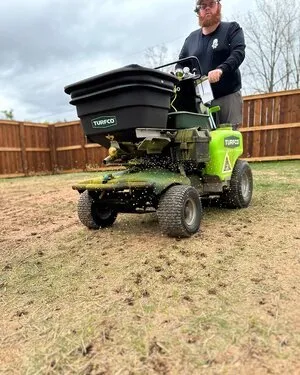
Joe Cutter's Turf & Snow is built on a deep, local understanding of Pittsford's lawns. Owner Joe Cutter brings over 18 years of hands-on experience to every property, starting with his family's landsc...
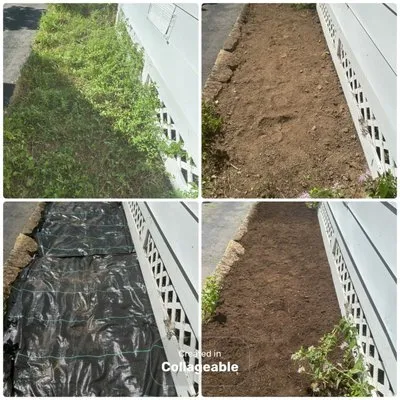
Upstate Invasive Plant Control & Native Restoration is a Rochester-based landscaping company dedicated to healing Western New York's environment. We specialize in the careful identification, removal, ...
Mentis Landscape and Property Maintenance
Mentis Landscape and Property Maintenance has been serving the Palmyra community and surrounding tri-county area since 2006. As a locally owned and operated business, we specialize in comprehensive la...
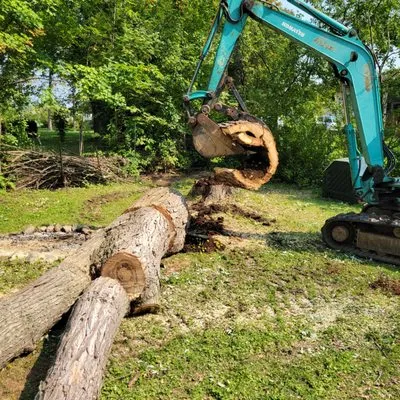
Farley Forest and Soil is Victor's trusted partner for comprehensive tree care and landscaping solutions. We understand that many local homes face challenges with lawn grading and uneven sprinkler cov...
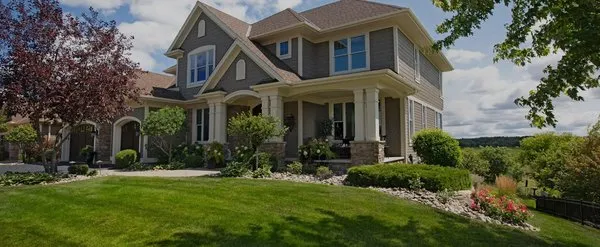
On Point Lawncare, LLC, is a family-owned Macedon, NY business serving the community since 2001. Founded and operated by David Teel, we provide comprehensive lawn and tree care for homeowners and busi...
Roc Poop Patrol provides essential yard services for pet owners and homeowners in Rochester, NY. We specialize in pet waste removal, treating it as a biohazard to protect public health and the local e...

All Pro Landscaping Rochester NY is a locally owned and operated landscaping company serving Rochester, NY, and the surrounding areas. With years of experience in the region, we specialize in comprehe...

East Side Property Solutions is your Webster, NY partner for comprehensive property care, specializing in landscaping, junk removal, and pressure washing. We help local homeowners and businesses maint...
Around The Clock Werks is your trusted, full-service partner for home maintenance in Newark, NY. We understand local homeowners face specific challenges, like uneven sprinkler coverage leading to patc...
Estimated Landscaping Service Costs in South Bristol, NY
FAQs
We're regrading a large section of our 2.5-acre lot. What permits and contractor qualifications should we verify before starting?
Grading on a 2.5-acre lot often triggers review by the South Bristol Planning Board for erosion and sediment control, especially given the slope hazard. The contractor must hold appropriate licensing through the New York State Department of State, Division of Licensing Services. For significant earth moving, they may also need a Home Improvement Contractor registration. Always verify this licensing and require a certificate of insurance; it protects you from liability for improper drainage work that could affect neighboring properties.
I want to reduce weekly mowing and gas equipment noise. What are the best native plants to replace part of my lawn?
Transitioning high-maintenance turf to a native plant bed significantly reduces mowing and fuel use, aligning with evolving noise ordinances targeting gas blowers. For Zone 5b, a layered planting of Eastern Redbud, underplanted with Wild Bergamot and New England Aster, provides multi-season interest and critical biodiversity. These deep-rooted natives are adapted to the local acidic soil, require minimal irrigation once established, and support pollinators far more effectively than turf.
Our sloped property suffers from erosion and soggy patches. What's a durable solution that also handles stormwater runoff?
High slopes and seasonal saturation are common with channery silt loam due to variable permeability. Installing a French drain system tied to dry wells addresses subsurface water. For surface management, using local bluestone flags in a permeable set, with joints filled with gravel, creates a stable patio or path that meets South Bristol Planning Board runoff standards by allowing water to infiltrate on-site rather than contributing to erosion.
We have abundant groundwater but want to be responsible. How can we maintain our Kentucky Bluegrass lawn without wasting water?
Even with no municipal restrictions, conserving South Bristol's groundwater is a best practice. A soil moisture sensor-based drip irrigation system applies water directly to the root zone only when needed, based on real-time evapotranspiration (ET) data. This technology prevents overwatering, which is a primary cause of fungal disease in Fine Fescue mixes, and can reduce potable water use by up to 50% compared to traditional sprinklers while preserving turf health.
If a storm causes significant tree damage, how quickly can a licensed crew respond for emergency cleanup to meet HOA deadlines?
For an emergency storm response, our primary dispatch from the Ontario County Park at Gannett Hill area allows a strategic position. Crews travel via NY-64 directly into Bristol Springs neighborhoods, with a standard peak travel time of 45-60 minutes. We prioritize jobs that pose safety hazards or violate HOA compliance notices, ensuring all work adheres to the local noise ordinance for commercial operations between 7:00 AM and 9:00 PM.
I've spotted what looks like Japanese Knotweed. How do we treat aggressive invasives without harming the environment or breaking local laws?
Japanese Knotbee is a severe invasive alert for our area. Treatment requires a targeted, systemic herbicide applied by a licensed professional during the plant's active growth phase, typically late summer. This timing and method minimize drift and environmental impact, ensuring compliance with New York's Nutrient Runoff Law, which prohibits phosphorus applications on turf. Never attempt mechanical removal alone, as it spreads the plant; follow-up monitoring for three to five years is essential.
My lawn is 50 years old and struggles with compaction and poor color. What's the underlying issue with our soil in Bristol Springs?
Homes built in 1974, like many in Bristol Springs, have soils that have matured for over 50 years. The prevalent acidic channery silt loam naturally compacts, reducing air and water permeability to roots. This aging process is accelerated by decades of foot traffic and standard maintenance, leading to poor percolation. A core aeration and top-dressing with composted organic matter are critical to rebuild soil structure and correct the naturally low pH for healthier turf.
We're adding a patio and are deciding between wood and stone. Which is better for longevity and safety in our wooded area?
Local bluestone flags offer superior longevity and fire resilience compared to wood. With a Moderate Fire Wise rating (WUI Zone 2), creating defensible space is prudent. Bluestone is non-combustible, requires no chemical treatments, and withstands freeze-thaw cycles for decades. When properly set, it provides a stable, low-maintenance surface that enhances home safety and aligns with best practices for properties in wooded, urban-interface zones.
