Top Landscaping Services in Smithtown, NY, 11725 | Compare & Call

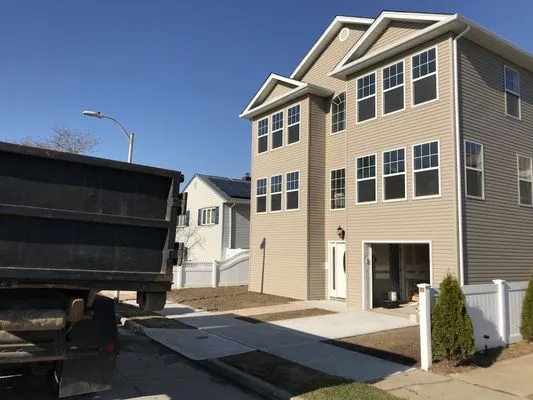
Lake Norman Long Island Excavating
Since 1996, Lake Norman Long Island Excavating has been a trusted name for excavation, landscaping, and masonry services across Smithtown, Nassau and Suffolk Counties, and the greater New York area. O...
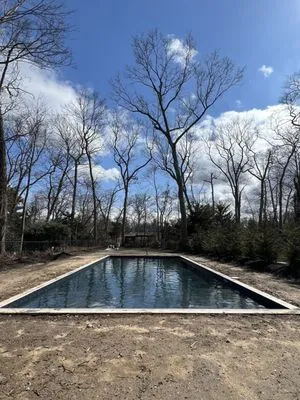
John Joseph Custom Pools & Masonry
John Joseph Custom Pools & Masonry has been a trusted name in Smithtown and across Long Island since 1992, specializing in custom in-ground liner pools with poured concrete walls. We handle your entir...
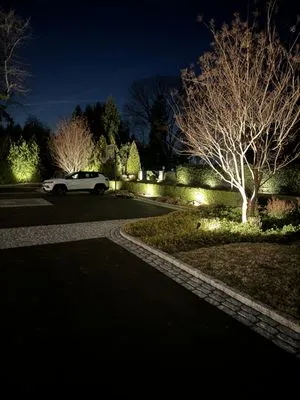
CPC Landscaping and Mulch King is a Smithtown-based landscaping company serving Long Island with comprehensive residential and commercial services. Our licensed and insured team specializes in landsca...
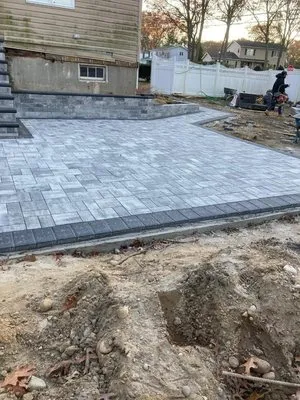
Moreno’s Landscape & Design
Moreno's Landscape & Design is a full-service landscaping company serving Smithtown, NY, and the surrounding communities. We specialize in transforming properties with comprehensive solutions, from in...
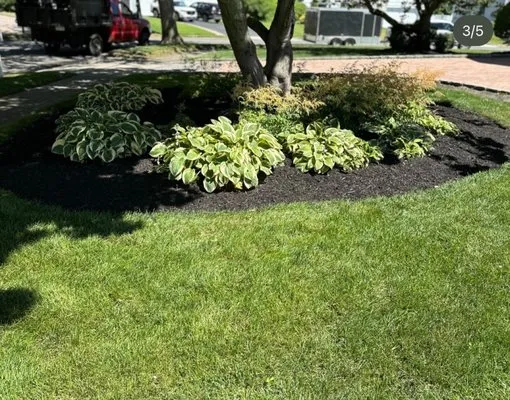
MSM Landscape and Design is a veteran and minority-owned landscaping company founded by a close-knit group of friends in Smithtown, NY. With a collective 20 years of experience in the trade, the team ...
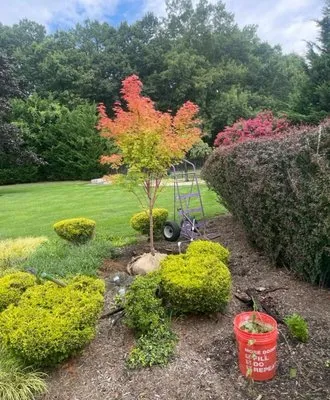
Pineda Landscaping is a full-service landscaping company serving Smithtown, NY, and the surrounding communities. We specialize in addressing common local property challenges, such as yard drainage pro...

Jen Landscaping Service is a dedicated, locally-owned landscaping business serving homeowners in Smithtown, NY. We specialize in tackling the common local issues of bare lawn patches and poor lawn gra...
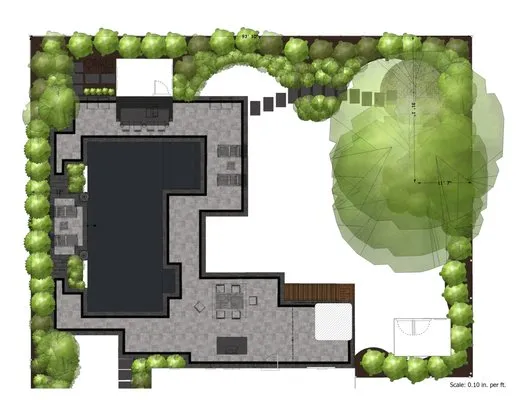
Landview Landscapes is a full-service landscaping company serving Smithtown, NY, and surrounding areas. We specialize in transforming properties with comprehensive solutions that directly address comm...
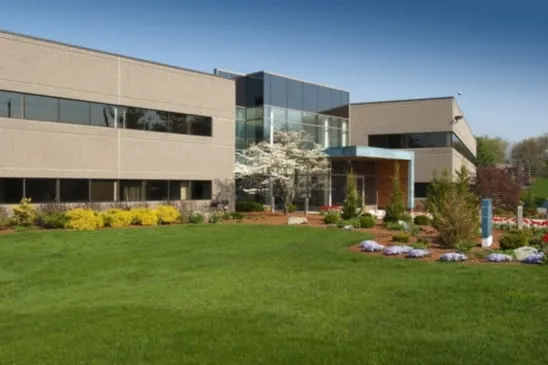
Lobo Landscaping
Lobo Landscaping is a licensed and trusted provider serving Smithtown, NY, and the surrounding communities. We combine thoughtful design with durable construction to create and maintain landscapes tha...
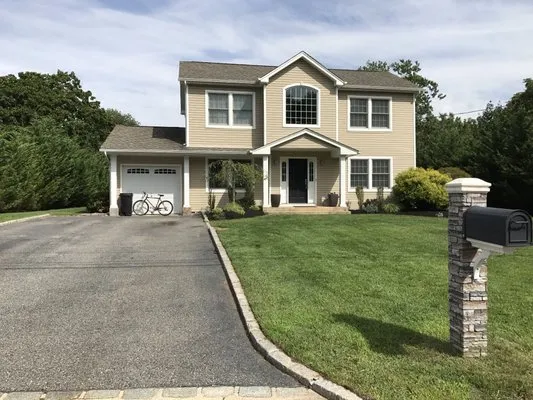
Jonny's Landscaping Service is a Smithtown-based, owner-operated business dedicated to year-round outdoor care. As the sole owner and primary worker, Jonny personally handles every project, from routi...
FAQs
How can I reduce maintenance while preparing for stricter noise regulations?
Replacing high-maintenance turf with Little Bluestem, Butterfly Milkweed, New England Aster, and Inkberry Holly creates self-sustaining landscapes. These natives require no supplemental watering after establishment and eliminate weekly mowing needs. The transition reduces gas-powered equipment use by 70%, positioning properties ahead of May 15-September 15 leaf blower restrictions. Native plant communities support local pollinators while building soil organic matter through natural leaf litter decomposition.
What solutions address seasonal saturation in my yard's low areas?
High water tables in acidic sandy loam require subsurface drainage systems with 4-inch perforated pipes at 18-24 inch depths. Bluestone pavers installed with ¼-inch joints filled with polymeric sand create permeable surfaces that meet Town of Smithtown Planning Department runoff standards. French drains should channel water away from foundations toward rain gardens planted with moisture-tolerant natives. These systems reduce seasonal saturation while preventing soil erosion during heavy precipitation events.
What licensing requirements apply to regrading my 0.45-acre property?
Grading work exceeding 100 cubic yards of soil movement requires Town of Smithtown Planning Department permits with engineered drainage plans. Contractors must hold New York State Department of State Division of Licensing Services registration for home improvement operations. On 0.45-acre lots, professional landscape architects should design grading to maintain positive drainage away from structures while preserving existing tree root zones. Licensed professionals carry required insurance for subsurface utility protection and neighbor liability during extensive earthwork operations.
Can I maintain healthy turf while following Smithtown's voluntary water conservation guidelines?
Wi-Fi ET-based weather sensing irrigation systems automatically adjust schedules using real-time evapotranspiration data. These systems reduce Kentucky Bluegrass and Fine Fescue blend water requirements by 30-40% compared to traditional timers. During Stage 1 voluntary conservation periods, the technology maintains soil moisture at 50-60% field capacity, preserving turf health while staying well below municipal water limits. Deep, infrequent watering cycles encourage root development to 6-8 inches, improving drought tolerance.
Why choose bluestone over wood for patio surfaces in our area?
Bluestone pavers offer 50+ year lifespans compared to wood's 15-20 year maximum in humid climates. The material's natural cleft surface provides slip resistance while maintaining permeability rates of 8-10 inches per hour. For properties with Low Urban/Suburban interface fire ratings, bluestone creates defensible space without combustible materials near structures. Properly installed with geotextile fabric and compacted gravel base, these installations resist frost heave and maintain grade stability through freeze-thaw cycles.
How quickly can you respond to storm damage that violates HOA appearance standards?
Emergency cleanup crews dispatch from the Smithtown Main Street Historic District using the Northern State Parkway for optimal routing. During peak conditions, arrival at Smithtown Landing properties occurs within 35-50 minutes. Our electric maintenance fleet operates within noise ordinance restrictions year-round, allowing immediate debris removal without violating gas-powered equipment bans. This rapid response prevents potential HOA violations while securing damaged vegetation before secondary issues develop.
Why does my Smithtown Landing lawn have such poor drainage and thin grass despite regular care?
Properties in Smithtown Landing built around 1967 have 59-year-old soil profiles. Acidic sandy loam naturally compacts over decades, reducing permeability to 0.5-1.5 inches per hour. This soil type requires annual core aeration to alleviate compaction from decades of foot traffic and maintenance equipment. Incorporating 0.25 inches of composted organic matter each spring improves water retention while maintaining the pH 5.5-6.5 range optimal for turfgrass root development.
What's the safest approach to controlling invasive plants during fertilizer blackout periods?
Japanese knotweed and mugwort pose significant risks in Smithtown's acidic soils. Mechanical removal before seed set in late summer avoids Suffolk County's November 1 to April 1 nitrogen fertilizer prohibition. Targeted glyphosate applications at 2% solution during active growth phases provide effective control without violating ordinance restrictions. Solarization using clear plastic for 6-8 weeks during peak summer heat eliminates weed seed banks while improving soil temperature for fall reseeding with competitive natives.
