Top Landscaping Services in Sidney, NY, 13838 | Compare & Call

There are 32 landscaping companies server in Sidney NY
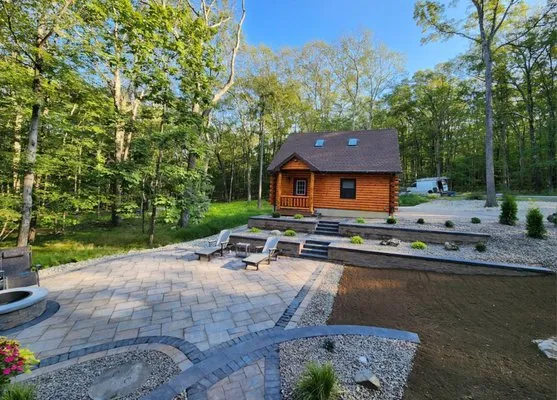
Eastern Landscaping, based in Middletown, NY, has been a trusted partner for homeowners and businesses across Orange, Sullivan, Dutchess, and Ulster counties since 2017. We specialize in transforming ...
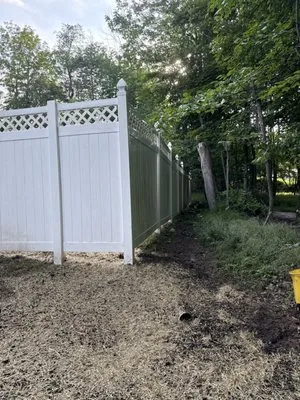
GV Landscaping is a locally owned and operated company serving Liberty, NY, and the surrounding Catskills region. We specialize in transforming properties through comprehensive excavation, landscaping...

CC Paving & Excavating
CC Paving & Excavating is a third-generation, minority-owned construction company serving Syracuse and surrounding New York communities since 1958. As a certified Green business since 2008, we incorpo...
Bennett Landwork & Landscapes is a full-service landscaping and landwork company serving Binghamton, NY, and surrounding areas. We specialize in comprehensive property solutions, from landscape design...
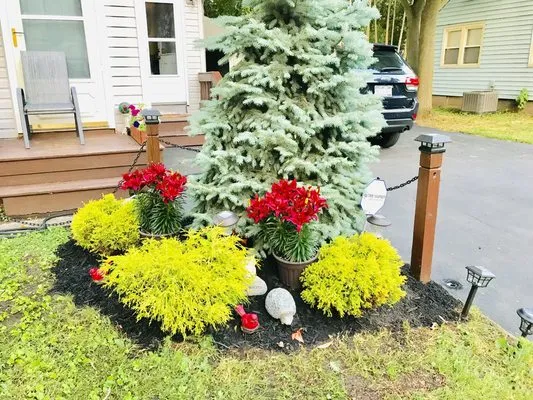
Feliciano Landscape, LLC is a family-owned landscaping and construction company serving Syracuse, NY, and the surrounding communities. We provide a comprehensive range of services, from earthmoving an...
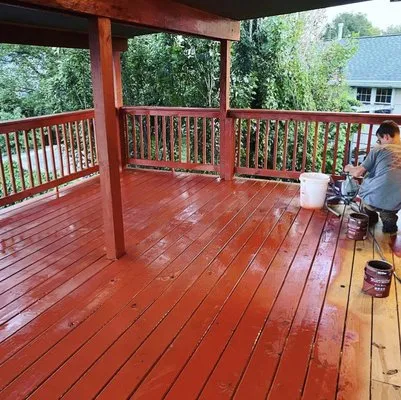
Moore and Brown is a family-owned and operated business born from a lifelong Cortland resident's dream. The owner, driven by a determination to succeed despite early doubts, built this company on the ...
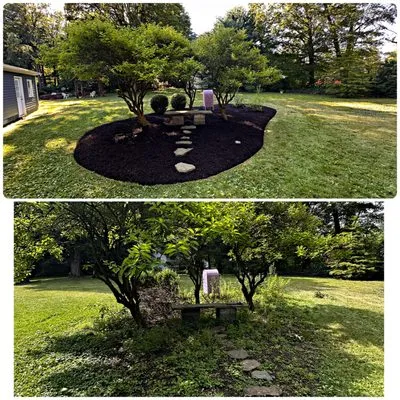
Eichler & Son’s is a family-owned and operated business in Sherburne, NY, bringing over 20 years of hands-on experience to the community. Officially established in 2025, we specialize in lawn care and...

TreeScape is a family-run business rooted in Sherburne, NY, dedicated to transforming local properties. Founded on a commitment to quality work and fair pricing, owner [Name] started the company after...
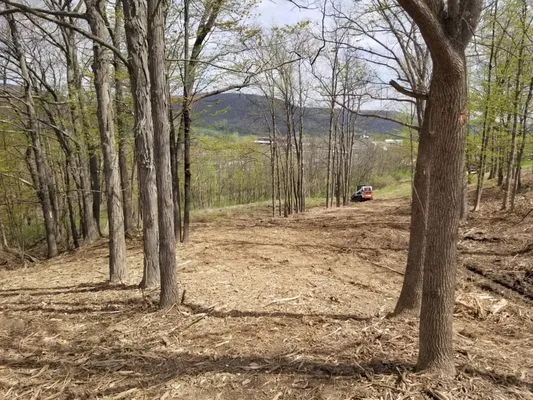
Ground-Up Forestry Mulching in Wampsville, NY, specializes in forestry mulching, an eco-friendly land clearing method that cuts and shreds unwanted vegetation on-site, including brush and small to med...

CNY Water Gardens
At CNY Water Gardens in Cincinnatus, NY, we specialize in transforming outdoor and indoor spaces with custom water features that bring lasting beauty and tranquility. Our passion is designing and buil...
Estimated Landscaping Service Costs in Sidney, NY
Frequently Asked Questions
Our yard stays soggy for days after rain. What's the solution for our soil type?
Seasonal high water tables and poor infiltration are common challenges in Sidney's acidic silty loam. Solutions focus on improving permeability: installing French drains or dry wells to intercept groundwater, and amending soil with compost to break up compaction. For new hardscape, specifying permeable jointing for bluestone pavers can increase surface infiltration and may help meet Sidney Village Code Enforcement Office standards for stormwater management.
Is bluestone or pressure-treated wood better for a long-lasting patio?
Bluestone pavers offer superior longevity and minimal maintenance compared to wood, which requires regular sealing and eventual replacement. In the context of Sidney's Low Firewise rating, bluestone also contributes to defensible space as a non-combustible material. Its thermal mass can moderate micro-climate temperatures, and when installed with permeable bases, it manages runoff more effectively than impervious wooden decks on this property scale.
What permits and credentials are needed for regrading our yard?
Regrading a 0.35-acre lot in Sidney often requires a permit from the Sidney Village Code Enforcement Office, especially if it alters stormwater flow patterns. The contractor must hold appropriate licensing through the New York State Department of State, Division of Licensing Services. This ensures they carry the required insurance and understand state erosion control regulations, which is critical for working with the site's sensitive silty loam and high water table.
We want to reduce mowing and gas equipment noise. What are our options?
Transitioning high-maintenance turf areas to a landscape of native plants like Common Milkweed, New England Aster, and Wild Bergamot significantly reduces the need for weekly mowing and fueling. This preemptively addresses evolving nuisance noise ordinances targeting gas-powered equipment. A native planting scheme, once established, creates a resilient, low-input habitat that supports local biodiversity and requires only seasonal management.
We have an HOA compliance notice for storm debris. What's the fastest response time?
For emergency cleanup to meet compliance deadlines, a crew can be dispatched from the Sidney Civic Center. The route utilizes NY-8 for efficient access to Sidney Village Center, ensuring arrival within the 20-30 minute peak storm response window. All equipment adheres to the local 7:00 AM to 9:00 PM noise ordinance, utilizing the fleet's electric blowers and chippers for immediate, quiet operation.
We've spotted invasive Japanese Knotweed. How do we treat it safely?
Japanese Knotweed requires a multi-year management plan of careful herbicide application to the cut stems or foliage, timed for late summer. Any treatment must strictly adhere to the New York State Phosphorus Runoff Control Act, which prohibits phosphorus use on established lawns. For silty loam soils prone to runoff, spot-treatment methods and organic, slow-release nitrogen sources are critical to prevent chemical movement into the water table.
How can we keep our Kentucky Bluegrass lawn healthy without wasting water?
While Sidney is currently at Stage 0 water restrictions, proactive conservation is key. Smart Wi-Fi soil moisture sensors enable ET-based irrigation, applying water only when the root zone deficit requires it. This technology prevents overwatering the property's silty loam, which holds moisture, and directly supports the health of the Bluegrass and Fine Fescue blend by encouraging deeper root growth and reducing fungal disease pressure.
Our lawn seems compacted and thin despite regular care. Is this a neighborhood issue?
Sidney Village Center homes, with an average build year of 1947, have nearly 80-year-old landscapes where soil structure has degraded over decades. The prevalent acidic silty loam becomes dense and hydrophobic, impeding root growth and water percolation. Core aeration and incorporating composted organic matter are critical to rebuild soil porosity and cation exchange capacity, directly addressing the legacy of compaction from decades of foot traffic and maintenance.
