Top Landscaping Services in Shirley, NY, 11950 | Compare & Call

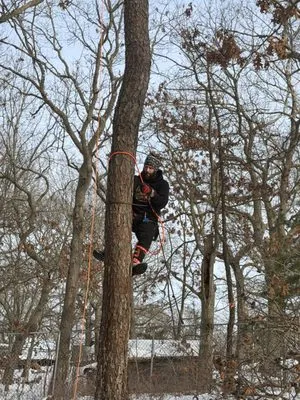
Brunneus & Son is a family-owned and operated tree care and property maintenance company proudly serving Shirley and the surrounding communities. Founded by Graham, who first climbed a tree profession...

Day One Landscaping is a full-service landscaping company dedicated to serving the Shirley, NY community. We understand the specific challenges homeowners in our area face, such as dying shrubs and ir...

Mow Town Landscaping is a local, family-owned landscaping company dedicated to serving the Shirley, NY community. We specialize in addressing the common issues homeowners face, such as dying shrubs an...
Patriot Irrigation is a trusted, locally-owned irrigation and landscaping contractor serving Shirley, NY, and surrounding Suffolk County. We specialize in comprehensive irrigation construction, precis...

Aaron K Corp is a licensed and insured family-run contractor based in Shirley, dedicated to helping local homeowners protect and improve their properties. We understand the unique needs of our communi...
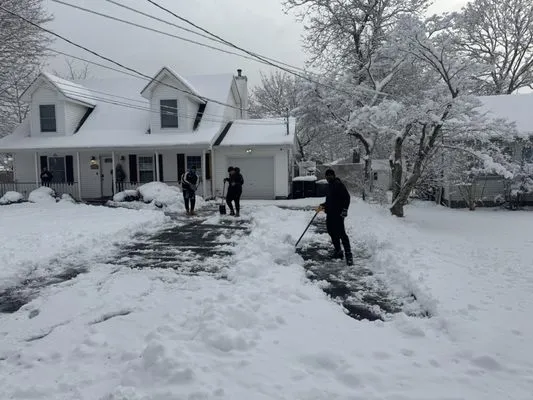
Turn Up Ur Lawns is your Shirley-based partner for a better outdoor space. Founded by a Texas transplant with over 15 years of hands-on experience, we bring a practical, value-focused approach to land...
Munoz Landscaping is a trusted, local landscaping company serving the Shirley, NY community. We understand the common challenges homeowners face, like persistent weeds in mulch beds and troublesome st...
VC Landscaping in Shirley, NY, believes gardens provide an essential balance, especially in our local communities, between modern living and the serenity of nature. We foster this connection by creati...
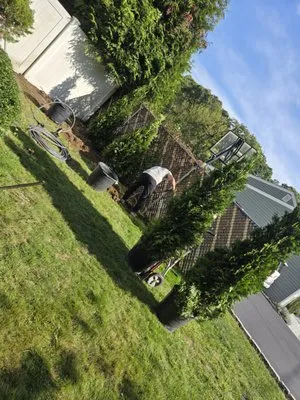
Eagle Roots Lawn Care is a locally owned and operated lawn service in Shirley, NY, dedicated to solving the specific landscaping challenges homeowners face in our area. We specialize in diagnosing and...
Green World Landscape Design is a trusted, locally-owned landscaping company serving homeowners and businesses in Shirley, NY. We specialize in creating beautiful, healthy, and sustainable outdoor spa...
Question Answers
What are the benefits of replacing some lawn with native plants in my Shirley yard?
Transitioning to a matrix of Little Bluestem, Butterfly Milkweed, and New England Aster reduces dependency on mowing, fertilization, and frequent irrigation. This native plant community supports local pollinators and requires no gas-powered leaf blowers for maintenance, aligning with local noise ordinances. It establishes a resilient, low-input landscape that anticipates 2026 biodiversity standards and enhances the property's ecological function within the Wildland-Urban Interface.
Why does my lawn in Shirley Center struggle to hold water and nutrients, and what can I do about it?
The acidic sandy loam common to Shirley was disturbed during the area's residential development around 1975, resulting in over 50 years of soil maturity that is still structurally weak. This soil profile has high permeability but lacks stable organic matter, leading to rapid nutrient leaching and poor water retention. Core aeration in early fall, followed by top-dressing with compost, builds a healthier rhizosphere. This process encourages mycorrhizal networks, which are essential for long-term soil structure and plant resilience in our 7b hardiness zone.
What invasive species should I watch for, and how do I manage them with current fertilizer laws?
Japanese knotweed and mugwort are prevalent invasive alerts in Suffolk County. Manual removal or targeted, professional-grade herbicide applications are necessary, timed outside the Suffolk County Nitrogen Fertilizer Management Law blackout period (Nov 1-April 1). Never apply nitrogen fertilizers during this window. For persistent perennials, a fall treatment followed by seeding competitive natives like Beach Plum in spring creates a sustainable barrier against re-infestation.
Are concrete pavers a better choice than wood for a patio, considering longevity and fire safety?
Concrete pavers offer superior longevity and minimal maintenance compared to wood, which decays in our humid climate. For properties with a Moderate Fire Wise rating, pavers and crushed bluestone provide critical non-combustible defensible space adjacent to the home. Their permeability also manages site runoff effectively. This material choice creates a durable, fire-resilient zone that meets both aesthetic and safety protocols for the Wildland-Urban Interface.
My sandy soil drains too fast, washing away mulch and topsoil. What's a permanent solution?
Rapid infiltration in acidic sandy loam is a common drainage hazard here. The solution involves integrating permeable hardscapes like crushed bluestone or concrete pavers set on a gravel base to slow and filter runoff. These materials meet Town of Brookhaven Planning Department standards for stormwater management by promoting groundwater recharge. Strategic placement in swales or as patio surfaces manages flow while adding functional structure to the landscape.
What permits and contractor credentials are needed for regrading my 0.25-acre lot?
Regrading that alters stormwater flow requires a permit from the Town of Brookhaven Planning Department. For any project exceeding simple landscaping, verify the contractor holds a Home Improvement license through the NYS Department of State, Division of Licensing Services. This licensing ensures they carry required insurance and understand local codes, including the nitrogen fertilizer law and erosion control measures. Proper credentials are non-negotiable for protecting your investment and complying with Suffolk County regulations.
How quickly can a crew respond for an emergency tree cleanup to meet an HOA compliance deadline?
For time-sensitive compliance or storm damage, crews dispatch from the William Floyd Parkway corridor. Using Sunrise Highway (NY-27), peak response to Shirley Center is 25-40 minutes, factoring in traffic conditions. We prioritize electric chainsaws and hand tools for immediate, quiet work upon arrival. This logistics plan ensures rapid site assessment and debris management to mitigate property hazards efficiently.
How can I keep my Kentucky Bluegrass lawn healthy during Stage 1 water restrictions?
Wi-Fi ET-based weather-sensing irrigation is critical for compliance. This technology schedules watering based on real-time evapotranspiration data, applying water only when the turfgrass mix actually needs it, often during pre-dawn hours to minimize loss. Programming separate zones for sun and shade exposure further optimizes efficiency. This method maintains turf health while consistently staying below voluntary conservation thresholds, preserving municipal water resources.
