Top Landscaping Services in Scott, NY, 13077 | Compare & Call
There are 202 landscaping companies server in Scott NY
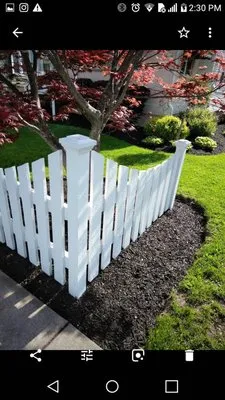
Smitty's Landscaping has been a trusted name in Auburn since 2019, bringing over 13 years of combined experience to every project. Founded on the principle that customer service is paramount, we take ...

JG Lawn & Snow is a locally owned and operated landscaping company dedicated to serving the Lafayette, Tully, and surrounding communities in Upstate New York. We offer a comprehensive range of service...
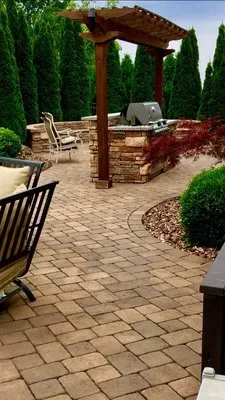
Laztek Companies is a trusted local landscaping provider in Lafayette, NY, dedicated to enhancing outdoor spaces with professional care and expertise. A common challenge for homeowners in our area is ...

Jesmers Property Services is a trusted local provider in Moravia, NY, specializing in comprehensive outdoor maintenance. We offer lawn care, tree services including pruning, trimming, and removal, pre...
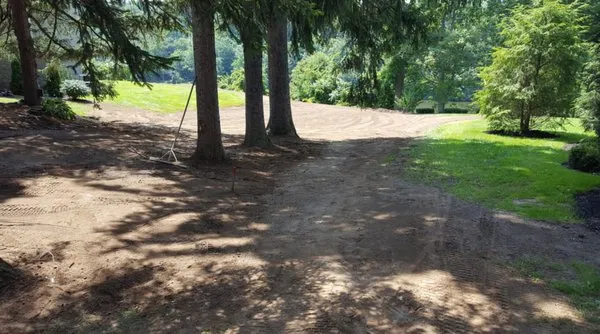
Raffa Landscaping and Design is a locally owned and operated landscaping company serving Oswego County since 2010. Founded by Jared Raffa while he was a business administration student at SUNY Oswego,...
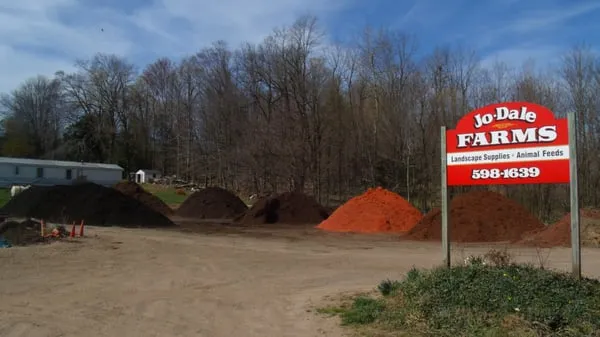
Jo-Dale Farms is a trusted, locally-owned landscaping provider serving Fulton, NY, and the surrounding communities. We understand the unique challenges homeowners in our area face, including troubleso...
Scenic Surroundings Landscaping & Nursery is a trusted, locally-owned resource for homeowners in Jordan, NY, and the surrounding Finger Lakes communities. We understand the common local challenges of ...
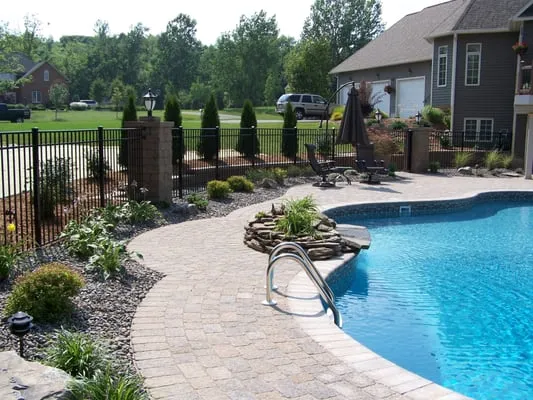
Paradise Grounds has been a trusted part of the Manlius community since 1992, providing comprehensive property maintenance for homes and businesses. We offer a complete range of services from foundati...
Get Right Landscaping is a trusted local landscaping company serving Palermo, NY, and the surrounding areas. We specialize in addressing common local landscaping challenges, such as landscape edging d...
Big T Landscaping is your local Port Byron expert, dedicated to tackling the common landscaping challenges that homeowners face. We understand the frustration of dying shrubs and damaged landscape edg...
Estimated Landscaping Service Costs in Scott, NY
Common Questions
What permits and credentials should I verify before hiring for a major grading project?
Any significant grading or earthmoving on a 1.2-acre lot in Scott requires review by the Cortland County Planning Department for erosion control. The contractor must hold appropriate licensing through the New York State Department of State Division of Licensing Services. This ensures they are bonded and understand state environmental laws, which is crucial for managing stormwater runoff and protecting the property's long-term soil structure.
How quickly can a crew respond for an emergency storm cleanup to meet HOA compliance?
For urgent service, our dispatch from Scott Town Hall prioritizes routes via NY-41. During peak conditions, our target arrival for the Scott Town Center area is within 45-60 minutes. We maintain dedicated electric equipment fleets to operate within local noise ordinance hours, starting at 7:00 AM, ensuring immediate and compliant debris removal and branch clearing after severe weather events.
Is it possible to maintain a green lawn in Scott while conserving water?
Yes, even with no current water restrictions, conservation is critical. Soil moisture sensor-based drip irrigation systems target water directly to root zones, reducing evaporation and runoff. For a Kentucky Bluegrass and Fine Fescue mix, this technology allows for deep, infrequent watering that encourages drought-tolerant roots. This method maintains turf health while keeping usage well below municipal limits and adapting to seasonal saturation patterns.
What are lower-maintenance alternatives to my high-input lawn?
Transitioning sections of turf to native plantings drastically reduces water, mowing, and chemical needs. Species like Butterfly Milkweed, Wild Bergamot, and Joe Pye Weed are adapted to Zone 5a and acidic soils, requiring no fertilizer. This xeriscaping approach also supports 2026 biodiversity goals. It future-proofs your landscape against evolving noise ordinances that restrict gas-powered blowers and mowers.
Is bluestone or pressure-treated wood better for a new patio?
Bluestone and native fieldstone offer superior longevity and lower lifetime maintenance than wood in Scott's climate. Their permeability aids in managing the site's drainage hazard. From a Fire Wise perspective, stone provides critical non-combustible defensible space, which is advised for low-risk forest interface zones. This inert material also avoids soil pH alteration, unlike leaching wood preservatives in acidic conditions.
My yard stays soggy for days after rain. What's the long-term fix?
Persistent wetness is a hallmark of Scott's glacial till and compacted silt loam. The solution integrates subsurface drainage like French drains with surface grading to redirect water. Using permeable materials like native fieldstone for walkways increases infiltration. These strategies are designed to meet Cortland County Planning Department runoff standards by managing the high seasonal saturation common on local properties.
Why does my lawn in Scott Town Center have such poor drainage and thin grass?
Properties in Scott, with an average house age from 1938, have nearly 90-year-old landscapes. Over decades, the naturally acidic silt loam soil has become heavily compacted by glacial till, reducing percolation. This compaction, combined with a typical pH of 5.5-6.2, limits root growth and nutrient availability for turf. Core aeration and amendments like composted leaf mold are essential to rebuild soil structure and moderate acidity for healthy grass.
How do I deal with invasive weeds without harming my lawn or breaking the law?
For invasives like Japanese Knotweed, which threaten Scott's ecosystems, treatment requires precise timing and method. New York State's Phosphorus ban on established lawns means selective, organic post-emergent herbicides applied at the correct growth stage are key. Manual removal for small infestations, combined with promoting dense native ground cover, provides effective control without violating nutrient runoff laws or harming soil biology.
