Top Landscaping Services in Sayville, NY, 11716 | Compare & Call
There are 208 landscaping companies server in Sayville NY
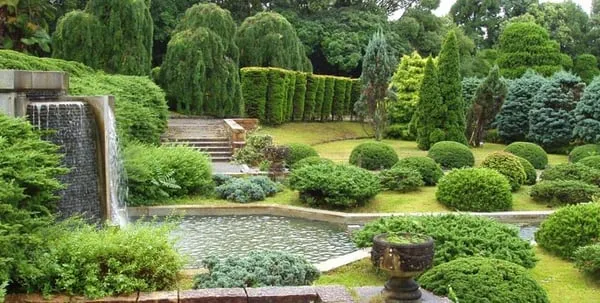
Dellafranca Landscaping is a trusted, full-service landscaping company serving homeowners in Lindenhurst and the surrounding South Shore of Long Island. We specialize in creating and maintaining beaut...
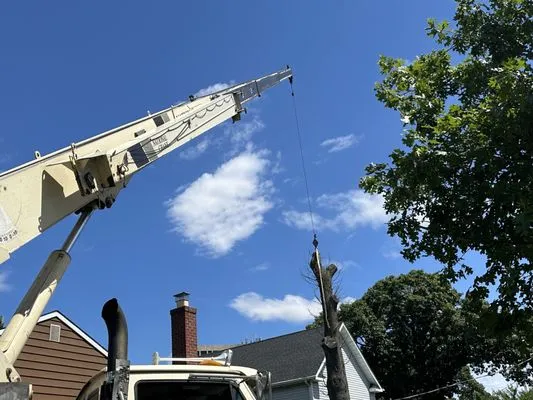
Woodvalley Contractors is a family-owned and operated business based in East Patchogue, NY, with roots deep in the local community. As a fully licensed and insured contractor, we specialize in a compr...
Accent Estates Tree Spray and Lawn Fertilizer is a locally owned and operated service founded in 2007 by ISA Certified Arborist Justin N. With years of hands-on field experience, the company focuses o...
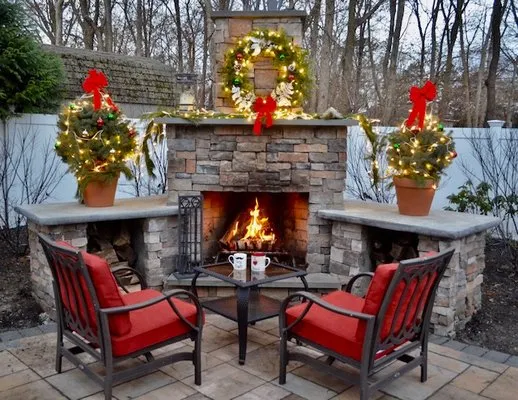
Serf & Turf Landscaping
Serf & Turf Landscaping is your local St. James partner for durable and beautiful outdoor spaces. We specialize in hardscape masonry, crafting custom patios, walkways, driveways, and retaining walls u...
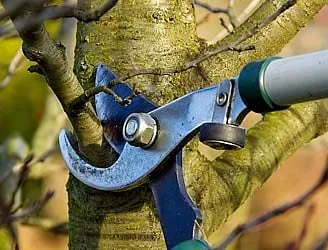
North Shore Tree & Landscaping has been a trusted fixture in Port Jefferson since 1969, blending deep-rooted local knowledge with certified arborist expertise. As a fully licensed and insured family b...
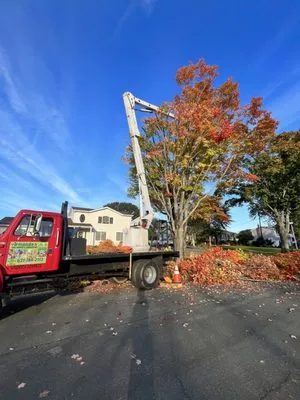
Armando's Tree Service is a family-owned, licensed tree care company serving Selden and all of Suffolk County. Founded in 2010 by Armando, we've grown into a trusted local resource by treating every c...
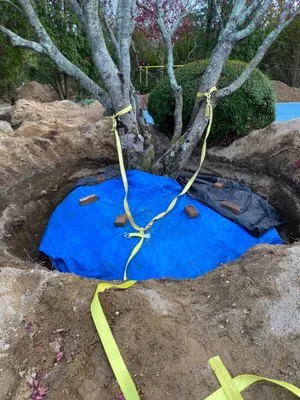
Sterling Tree & Lawn Service
For 28 years, Sterling Tree & Lawn Service has been the trusted local expert for tree and lawn care in Speonk and across Long Island. Founded and led by Board Certified Master Arborist Sterling Churgi...
SK Pool Scapes
SK Pool Scapes is a trusted Yaphank, NY, contractor specializing in landscaping, masonry, and snow removal. We understand the local challenges, like soil compaction and patchy lawns, that result from ...
Velasquez Landscaping & Masonry is a trusted, locally-owned contractor serving Greenport and the surrounding North Fork communities. For over 19 years, we've been helping homeowners and businesses bui...
EA Castro Landscaping is a full-service landscaping and snow removal company based in Huntington Station, NY, dedicated to enhancing and maintaining Long Island properties. We specialize in resolving ...
Estimated Landscaping Service Costs in Sayville, NY
Q&A
I've spotted what looks like Japanese Knotweed or Mugwort on my property. How should I handle it?
These are high-priority invasive species that aggressively outcompete native plants. Treatment requires careful, targeted herbicide application when the plants are actively growing, typically outside the Suffolk County fertilizer blackout period (November 1 to April 1). For large infestations, a licensed professional can develop a multi-year management plan using approved herbicides to eradicate the plants without harming surrounding desirable vegetation.
My yard stays soggy for days after rain, which seems worse lately. What's causing this and how do we fix it?
Sayville's high water table and sandy loam soil create a perfect storm for poor drainage; water infiltrates quickly but has nowhere to go during coastal rain events. The long-term solution involves regrading to create positive slope away from foundations and installing French drains. For any new patios or walkways, specify permeable concrete pavers, which reduce runoff and can help meet Town of Islip stormwater management standards.
I'm tired of weekly mowing and gas equipment noise. Are there lower-maintenance, quieter landscape options?
Transitioning to a landscape anchored by native plants like Butterfly Milkweed, Beach Plum, and New England Aster dramatically reduces maintenance. These plants require no weekly mowing, minimal watering once established, and support local pollinators. This shift also future-proofs your property against tightening noise ordinances that restrict gas-powered blowers and mowers, allowing for quieter, electric maintenance.
We want to build a new patio. Is pressure-treated wood or permeable pavers a better choice for longevity here?
Permeable concrete pavers are superior for longevity and function in our coastal environment. They resist salt spray, frost heave, and rot far better than wood, which requires constant sealing and eventual replacement. Furthermore, their permeable nature manages stormwater onsite, a critical feature given flood risks. While Sayville has a low Fire Wise rating, pavers also provide a non-combustible defensible space directly adjacent to the home.
We need to regrade our 0.25-acre lot to improve drainage. What permits and contractor qualifications are required?
Significant grading that alters water flow or involves moving more than a few cubic yards of soil typically requires a permit from the Town of Islip Department of Planning, Housing and Development. Crucially, this work must be performed by a contractor licensed by the New York State Department of State. This state licensing ensures they carry proper insurance and understand building codes, protecting you from liability for improper work that could cause flooding on your or a neighbor's property.
With Stage 1 water conservation in effect, how can I keep my Kentucky Bluegrass lawn healthy without overwatering?
Smart, Wi-Fi ET-based irrigation systems are designed for this exact challenge. They use local weather data to calculate evapotranspiration (ET), applying water only when and in the amount the grass truly needs. This technology can reduce water use by 20-30% compared to traditional timers, keeping your cool-season grass mix healthy while adhering to voluntary conservation goals and avoiding potential future restrictions.
A storm damaged trees on my property and the HOA requires immediate cleanup. How quickly can a crew arrive?
For emergency storm response, our dispatch from the Sayville Marina Park area uses Sunrise Highway (NY-27) for primary access. Accounting for typical weekday traffic and local detours, we project a 20-30 minute arrival window to most points in the Sayville Historic District. Crews are equipped for immediate safety mitigation and debris removal to meet compliance deadlines.
My lawn in the Sayville Historic District seems thin and struggles despite feeding it. What's the underlying issue?
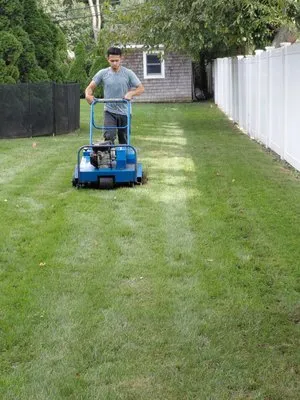
Homes built around 1965, common here, have soils approximately 60 years in development. Over decades, the sandy loam soil has become compacted from foot traffic and standard maintenance, reducing air and water movement to roots. This compaction limits the effectiveness of any fertilizer applied. Core aeration is the primary solution, followed by top-dressing with compost to increase organic matter and improve soil structure for your turf.
