Top Landscaping Services in Saugerties South, NY, 12477 | Compare & Call
There are 155 landscaping companies server in Saugerties South NY
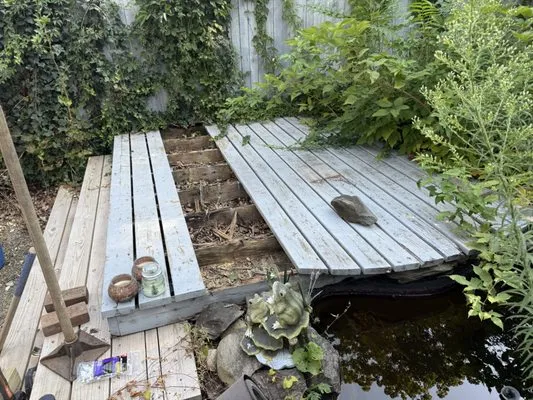
Cohens Works is your trusted local handyman and landscaping company serving Hudson, NY, and the surrounding Hudson Valley. We provide a comprehensive range of services to maintain and improve your hom...
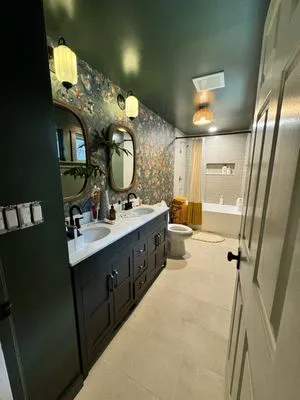
Next Level Building and Rehab
Next Level Building and Rehab is a full-service contractor serving Kinderhook, NY, and the surrounding communities. We handle everything from major building additions and full-home remodels to essenti...
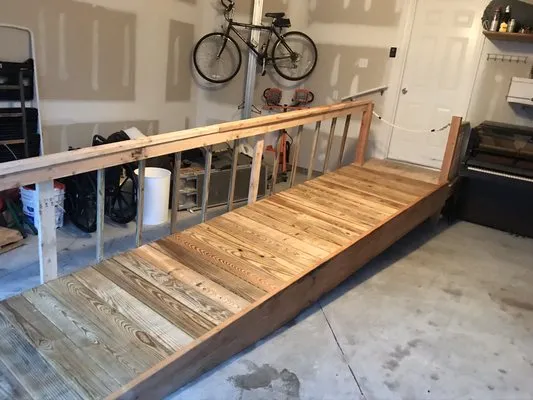
Coviello's Landscaping is a full-service landscaping company serving Carmel Hamlet, NY, specializing in comprehensive outdoor solutions. We offer everything from earthmoving and regrading to detailed ...
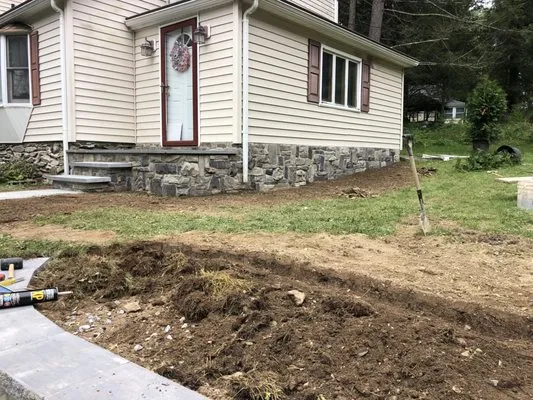
Manuel Landscaper Construction Services, INC is a locally owned and insured landscape construction company serving Dutchess and Putnam Counties in New York's Hudson Valley for over 20 years. Based in ...
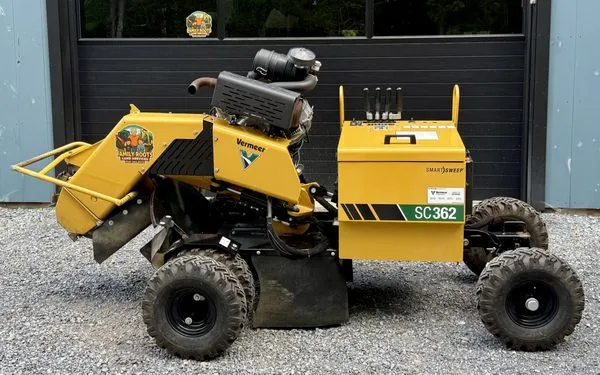
Family Roots Land Services is a family-owned business in Lagrange, NY, dedicated to providing reliable and transparent landscaping, firewood, and damage restoration services. We specialize in addressi...
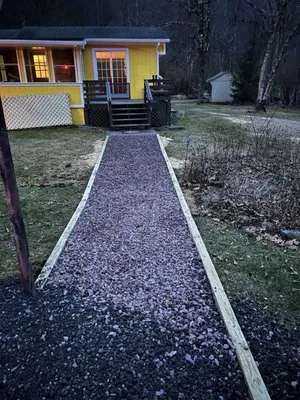
ML Landscaping & Excavation has been serving Poughkeepsie and the Hudson Valley since 2006, bringing over 20 years of local expertise to every project. Owner Mark Lorant started as a laborer in Cortla...
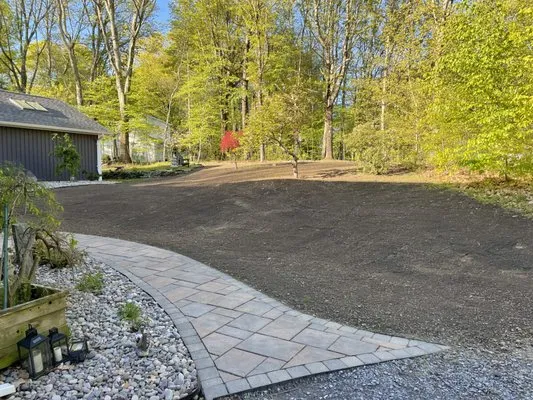
Great Oak Landscaping is a full-service landscaping and stonemasonry company serving Pleasant Valley, NY, and surrounding areas. We specialize in comprehensive property care, from routine lawn mainten...
A.M.J Landscaping is a family-owned lawn care business serving Lagrangeville, NY, with over 11 years of local experience. We focus on providing accurate, on-time services with a friendly, personal tou...
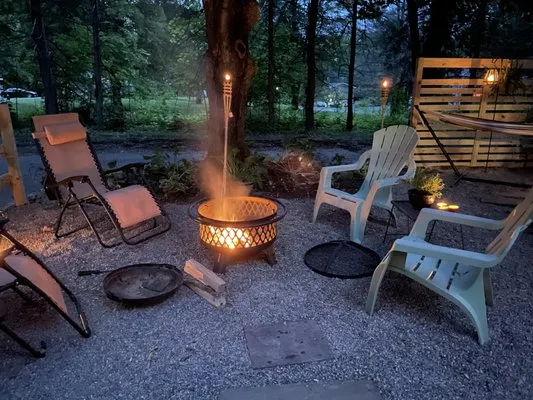
Nargi Landscaping is a family-owned business serving Poughkeepsie and Dutchess County since 2016. We specialize in comprehensive landscape design and construction, from custom patios and retaining wal...
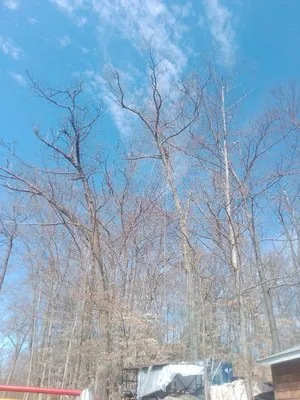
D A P Landscaping is your trusted, full-service landscaping partner in Patterson, NY. We provide comprehensive solutions for homeowners facing common local challenges like overgrown shrubs and unsight...
Estimated Landscaping Service Costs in Saugerties South, NY
FAQs
My yard gets soggy every spring. What's a long-term solution?
Moderate seasonal saturation is common in lowland areas of the neighborhood due to underlying clay content. Improving permeability is key. A strategic solution involves replacing impervious surfaces with permeable bluestone paver systems, which allow stormwater infiltration. These installations often require a grading permit from the Town of Saugerties Building Department to ensure proper runoff management and must be paired with subsurface drainage channels like French drains to redirect water effectively.
How do I keep my lawn green during Stage 1 water conservation?
Voluntary conservation under Stage 1 requires precise water management. Smart Wi-Fi moisture sensor controllers are critical; they use local evapotranspiration (ET) data to irrigate only when soil moisture drops below optimal levels for your Kentucky Bluegrass and Tall Fescue blend. This technology prevents overwatering, which is a primary cause of fungal disease in our region's clay-influenced soils, and ensures every gallon applied is used effectively by the root zone.
Are bluestone patios a good choice given wildfire risk?
Yes, bluestone pavers are an excellent non-combustible material for defensible space in Saugerties South's Moderate Fire Wise rating zone. Compared to wood decks or composite materials, bluestone provides superior longevity with minimal maintenance and will not contribute fuel to a fire. When installed with gravel joints instead of polymeric sand, it also enhances permeability. This creates a durable, fire-resistant zone adjacent to the home that meets landscape hardening recommendations.
What permits and licenses are needed to regrade my half-acre property?
Regrading a 0.45-acre lot typically requires an Earth Disturbance permit from the Town of Saugerties Building Department to ensure erosion control and proper stormwater management. The contractor performing this work must hold appropriate licensing through the New York State Department of State. This is critical, as improper grading can alter drainage patterns, affecting neighboring properties and potentially violating local codes. Always verify both town permits and state contractor licensing before work begins.
Is there a lower-maintenance alternative to my weekly-mowed lawn?
Transitioning high-input turf to a climate-adaptive xeriscape is a forward-thinking strategy. A native planting palette of Little Bluestem, Purple Coneflower, Swamp Milkweed, and Eastern Redbud establishes deep root systems that require no irrigation once established and provide critical habitat. This shift drastically reduces mowing frequency, fuel consumption, and noise, aligning with evolving municipal restrictions on gas-powered equipment and supporting 2026 biodiversity benchmarks.
Why does my soil feel so compacted and acidic?
Properties in Saugerties South, with an average 1965 build date, have over 60 years of soil maturation. The native acidic loam (pH 5.5-6.5) has often become compacted due to construction grading and routine foot traffic. This compaction reduces soil percolation and oxygen availability for turf and tree roots. Annual core aeration and amendments like composted leaf mulch are essential to rebuild soil structure and support microbial health.
How quickly can you respond to an emergency tree limb cleanup for HOA compliance?
For urgent storm response, our electric fleet can dispatch from the Cantine Veterans Memorial Complex area, accessing I-87 (New York State Thruway) for efficient routing. This allows a peak arrival time of 20-30 minutes to most Saugerties South addresses. We prioritize safety assessments and debris removal to meet community standards while adhering to weekday noise ordinance hours for any necessary supplementary equipment.
What should I do about invasive Japanese Knotweed without using harsh chemicals?
Japanese Knotweed is a high-priority invasive in Ulster County. Treatment must be carefully timed outside of bloom periods to protect pollinators and must never include phosphorus, as per NY state law. A multi-year integrated plan is required: cutting stems and applying a targeted glyphosate to the cut stems in late summer, followed by smothering with heavy mulch and planting aggressive natives like Swamp Milkweed to compete. Always consult a licensed applicator for safe, legal control.
