Top Landscaping Services in Saint James, NY, 11755 | Compare & Call
There are 223 landscaping companies server in Saint James NY
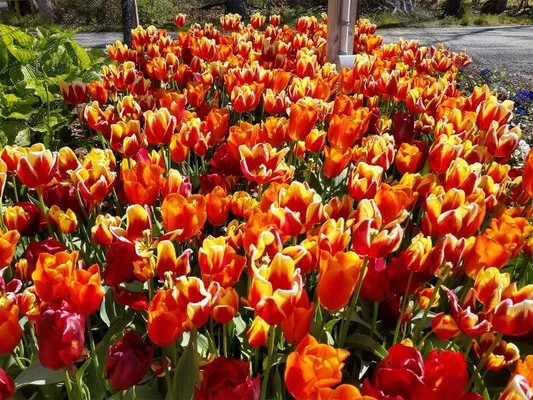
Echo Landscaping Inc has been serving Mount Sinai, NY, and surrounding communities for over 40 years as a licensed provider of comprehensive landscaping, masonry, and irrigation solutions. Our team in...
Ippolito Landscapes is a trusted Saint James, NY landscaping company specializing in lawn care and snow removal services. Many local homes face common landscaping challenges like soil compaction and s...
S & D Chem-Rite Lawn Care is a trusted, locally-owned landscaping company serving Centereach, NY, and the surrounding areas. We specialize in a comprehensive range of services designed to create and m...
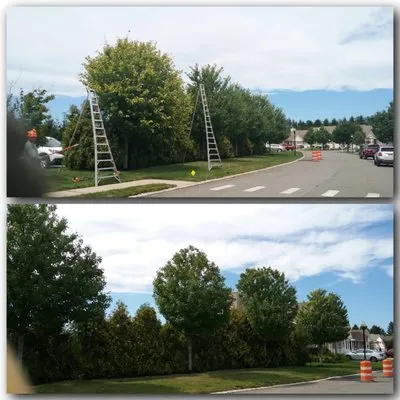
For over five decades, Koch Tree Services has been a trusted name in Mount Sinai, rooted in a family legacy that began with Bob Koch Sr.'s single truck. Today, under Bob Koch Jr., the company combines...
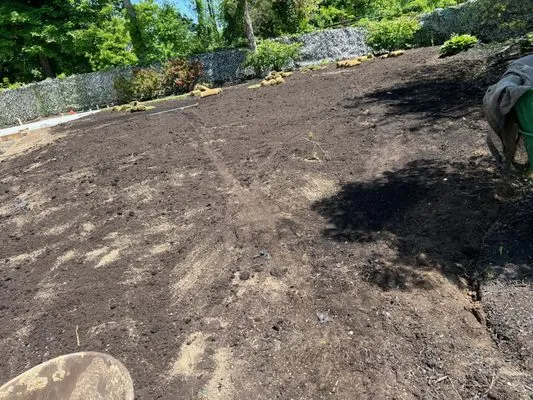
Mario’s Landscape is a full-service outdoor contractor serving Central Islip, NY, and the surrounding area. Specializing in tree services, landscaping, and masonry, we provide comprehensive solutions ...
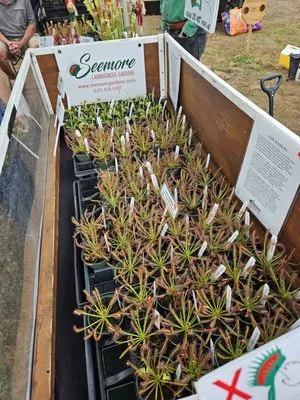
Seemore Carnivorous Gardens
Seemore Carnivorous Gardens is a specialized nursery and landscaping business in Saint James, NY, focusing on carnivorous plant gardens and sustainable landscape design. We help local homeowners addre...
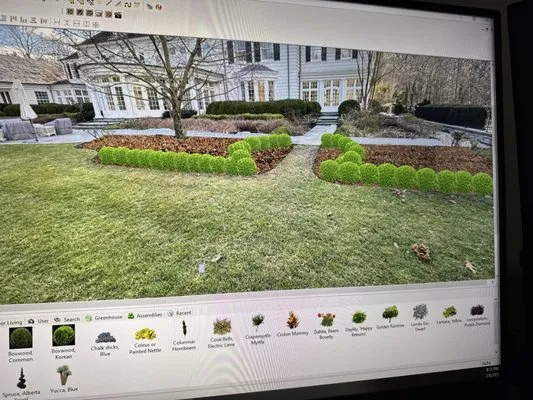
Hamptons Horticulture is a full-service landscaping, masonry, and junk removal company serving Port Jefferson, NY. We specialize in comprehensive property solutions including landscape construction, r...
Long Island Masonry is a trusted St. James contractor specializing in expert masonry and landscaping solutions for local homeowners. A common challenge in our area is lawn moss growth and deterioratin...
RJK Gardens
RJK Gardens is a trusted, family-owned landscape company serving St James and Long Island since 1960. With a team of licensed, insured professionals including in-house landscape designers and certifie...
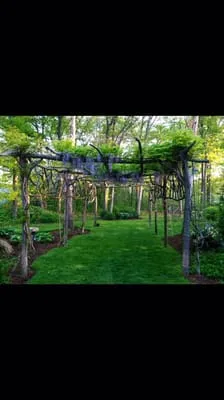
Gardens by J Tortomasi brings over 30 years of landscaping expertise to Port Jefferson Station and surrounding Long Island communities. Founded by someone who started gardening at age 12 and learned f...
Estimated Landscaping Service Costs in Saint James, NY
Frequently Asked Questions
What permits and qualifications are needed to regrade our backyard?
Regrading a 0.35-acre lot in Saint James typically requires a permit from the Town of Smithtown Planning Department to ensure proper drainage and erosion control. The contractor must hold appropriate licensing through the New York State Department of State Division of Licensing Services. This is crucial as improper grading can alter water flow onto neighboring properties, leading to significant liability. Always verify both town permits and state licensure before work begins.
Is bluestone or composite wood better for a new patio here?
Bluestone pavers offer superior longevity and permeability compared to wood or composites in our climate. Their mineral composition withstands freeze-thaw cycles without warping or rotting. For a Low Fire Wise Rating area, bluestone provides a non-combustible, defensible space adjacent to the home. Its natural thermal mass also moderates temperature, reducing the urban heat island effect in your suburban residential landscape.
What are the long-term alternatives to constant mowing and blowing?
Transitioning turf areas to a matrix of native plants like Little Bluestem, Butterfly Milkweed, and Sweet Pepperbush drastically reduces maintenance. These species are adapted to Zone 7b and acidic soil, requiring no fertilizer, minimal water, and no weekly mowing. This shift preempts tightening noise ordinances on gas blowers and creates a resilient, biodiverse landscape that supports local pollinators and reduces your carbon footprint.
Why does our soil seem so thin and compacted compared to newer neighborhoods?
Homes built around 1974, like many in the Saint James Historic District, have soils with over 50 years of maturation. The prevalent acidic sandy loam becomes hydrophobic and dense over decades of standard lawn care. This history necessitates core aeration in early fall to relieve compaction, followed by top-dressing with compost to build organic matter and improve water retention in the fast-draining subsoil.
We have invasive vines and weeds. When and how should we treat them?
Common invasive alerts for this area include Japanese Knotweed and Oriental Bittersweet. Manual removal is ideal, but for severe cases, targeted herbicide application must avoid the Suffolk County Nitrogen Fertilizer Law blackout period (Nov 1 - April 1). The most effective treatment is in late summer or early fall when plants translocate chemicals to roots. Always use NYS-certified applicators to ensure safe, legal control.
Our yard pools water after heavy rain, but the soil feels sandy. What's the solution?
Moderate runoff over high-permeability sandy subsoil creates a misleading drainage hazard; water sheets off before infiltrating. Solutions include regrading to break up flow paths and installing dry wells or French drains. Using permeable bluestone pavers for patios or walkways increases infiltration, often meeting Town of Smithtown Planning Department runoff standards by keeping water on-site and recharging the aquifer.
How quickly can you respond to an emergency like a storm-damaged tree blocking a driveway?
For HOA compliance or safety emergencies, our dispatch from the Saint James General Store area allows a peak response of 20-30 minutes. Routing via NY-25A provides direct access to most properties. Our electric fleet operates within the town's 8am-7pm weekday noise ordinance, enabling immediate, compliant mobilization for critical cleanup without disturbing the historic district's character.
How do we keep our Kentucky Bluegrass lawn healthy during voluntary water conservation?
Stage 1 voluntary conservation in Saint James aligns with using Wi-Fi ET-based weather-sensing controllers. These systems apply water only when evapotranspiration data indicates need, preventing overwatering. For acidic sandy loam, this precision irrigation targets the root zone efficiently, maintaining turf health while conserving municipal water. Deep, infrequent watering cycles train grass roots to seek moisture, enhancing drought tolerance.
