Top Landscaping Services in Sag Harbor, NY, 11963 | Compare & Call
There are 202 landscaping companies server in Sag Harbor NY
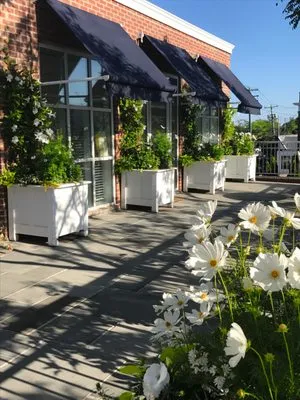
For over twenty years, Tara Gardens has been a trusted Southampton landscaping partner, founded on owner Miki Gilsenan's deep-rooted expertise. Originally from Ireland, Miki brings a legacy of gardeni...
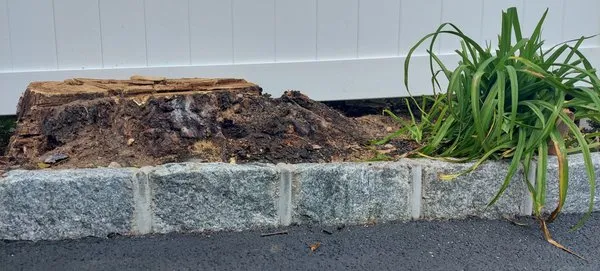
BMHW has been a trusted contractor in Shoreham since 2015, growing from a single truck to a full-service team serving all of Long Island. We specialize in creating and maintaining durable, beautiful o...

Webster Ave Landscape & Design is a full-service Rocky Point landscaping and irrigation company dedicated to transforming local properties. We understand that North Shore homeowners often face challen...
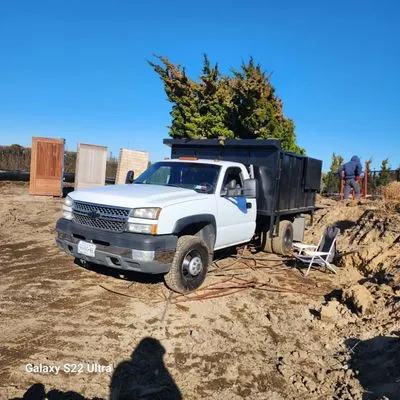
Job's Landscaping is a trusted Hampton Bays, NY landscaping and masonry contractor serving the local community with comprehensive outdoor solutions. We specialize in both softscape and hardscape servi...
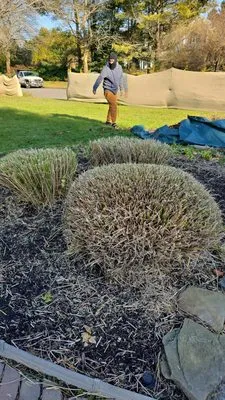
Juanito Landscaping is a trusted Hampton Bays, NY business specializing in comprehensive lawn, tree, and irrigation services. We help local homeowners tackle common landscaping challenges like lawn fu...
New Begginings Landscape is a Hampton Bays-based company specializing in comprehensive landscaping and carpentry services for the Hamptons community. We understand the unique demands of this area, whe...
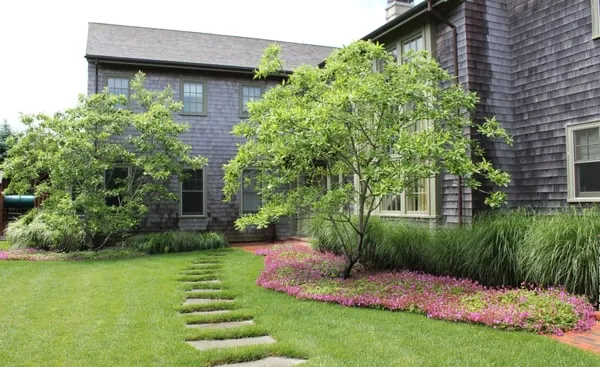
New Leaf Landscape Maintenance
New Leaf Landscape Maintenance is a Southampton-based landscaping company founded in 2003, offering comprehensive services from design to maintenance. With a team of six specialized Account Managers a...
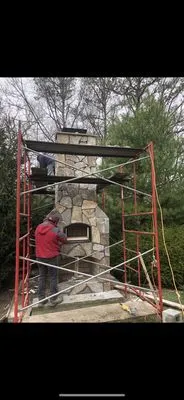
UpTown Property Services, LLC is a veteran-owned, family-operated landscaping and property care company serving Southampton and the Hamptons. With over 15 years of combined experience living and worki...
Arturo Landscaping & Masonry
Arturo Landscaping & Masonry is a Southampton-based company built on over two decades of hands-on experience. Founded by Arturo, the business grew from a simple vision: to bring new landscape concepts...
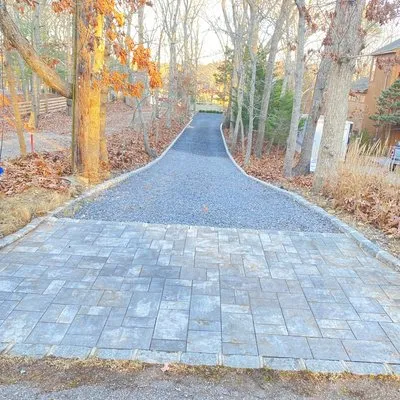
Francisco Gardening is your Flanders, NY neighbor for comprehensive outdoor care. We understand the specific challenges local homeowners face, from stubborn lawn fungus diseases that threaten your cur...
Estimated Landscaping Service Costs in Sag Harbor, NY
Common Questions
A storm knocked down a large limb. How quickly can a crew arrive for an emergency cleanup to meet HOA requirements?
For an emergency cleanup, our standard dispatch from the John Steinbeck Waterfront Park area via NY-114 targets a 45-60 minute arrival during peak conditions. This accounts for traffic congestion typical on the South Fork. The crew will be equipped with electric chainsaws and chippers compliant with local noise ordinances, allowing immediate work upon arrival to clear hazards and mitigate any compliance issues with your association's safety standards.
I want to reduce constant mowing and blowing. What are lower-maintenance alternatives to grass?
Transitioning to a landscape anchored by native plants like Beach Plum, Bayberry, Butterfly Weed, and Little Bluestem significantly reduces maintenance. These species are adapted to our acidic sandy loam, require minimal watering once established, and need no fertilizer. This approach eliminates weekly mowing and aligns with the gas-powered blower restrictions from May 15th to September 15th, as these plantings create less loose debris and thrive without intensive grooming.
What should I verify before hiring a contractor to regrade my quarter-acre property?
Any significant grading that alters drainage patterns requires review by the Sag Harbor Village Building Department to ensure compliance with codes. Crucially, the contractor must hold appropriate licensing through the Suffolk County Department of Labor, Licensing & Consumer Affairs for this type of earthwork. On a 0.25-acre lot, improper grading can negatively impact neighboring parcels and the local water table, making licensed, insured professionals a legal and practical necessity.
How can I maintain a healthy lawn with the village's voluntary water conservation in place?
Under Stage 1 voluntary conservation, the key is precision. A Smart Wi-Fi ET-based controller uses local weather data to apply water only when needed, matching evapotranspiration rates. For your Fine Fescue and Kentucky Bluegrass mix, this typically means deep, infrequent watering in the early morning to encourage deep roots and reduce evaporation. This system can reduce water use by 20-30% while preserving turf health, keeping you well within recommended municipal limits.
I've spotted invasive vines and weeds. How do I manage them without harming the bay?
Common invasive alerts for our area include Japanese Knotweed and Oriental Bittersweet. Manual removal is best, ensuring complete root extraction. For persistent problems, a targeted, systemic herbicide applied in late summer or fall is most effective, but you must use a formula with zero phosphorus to comply with New York State's nutrient runoff law. Always avoid application before heavy rain to prevent leaching into the groundwater, which is a critical concern given our localized saturation zones.
One area of my yard stays soggy for days after rain, even with sandy soil. What's the solution?
High permeability sandy loam can still experience localized saturation where the shallow groundwater table intersects the surface. The solution is to redirect this water via a shallow French drain lined with gravel, channeling it to a lower percolation point or rain garden. For any new patios or paths, using permeable cobblestone or open-joint bluestone allows infiltration, which the Sag Harbor Village Building Department encourages to meet stormwater runoff standards and recharge the aquifer.
My lawn seems thin and struggles despite regular care. Could the soil itself be the problem?
Properties in the Sag Harbor Village Core, with houses averaging from 1968, have 58-year-old landscapes on naturally acidic sandy loam. This soil profile, with a pH of 5.5-6.2, tends to become compacted and nutrient-poor over decades, limiting root development and water retention. Core aeration in early fall is critical to improve oxygen flow, followed by top-dressing with compost to increase organic matter. This directly addresses the inherent low fertility and poor structure of mature, unamended soils in the neighborhood.
Is bluestone or a wood deck better for a new patio in terms of longevity and safety?
Bluestone or permeable cobblestone is superior for longevity and fire safety. Wood requires constant sealing against moisture and decays faster in our coastal climate. More critically, Sag Harbor's Moderate Coastal Wildland-Urban Interface rating advises creating defensible space. Inorganic hardscapes like bluestone provide a non-combustible buffer zone around structures, a key Firewise principle, and will last for decades with minimal upkeep compared to organic materials.
