Top Landscaping Services in Rotterdam, NY, 12137 | Compare & Call


Premier Dirt Works is a family-owned and operated landscaping, excavation, and masonry business serving Rotterdam, NY. We specialize in transforming outdoor spaces through services like artificial tur...
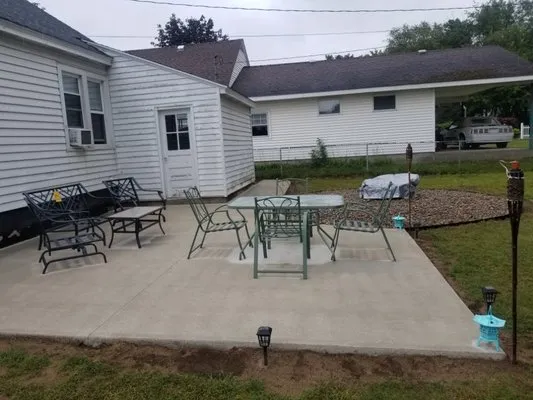
AL'S Landscaping is a trusted, full-service landscaping company serving Rotterdam, NY, and the surrounding Capital Region. We specialize in comprehensive solutions for residential and commercial prope...

Simple Life Lawn Care is your trusted local partner for keeping your Rotterdam property healthy and beautiful year-round. We understand the challenges Schenectady County homeowners face, from clearing...

J Kutey Landscaping
J Kutey Landscaping is a Rotterdam-based landscaping company that transforms outdoor spaces into functional, beautiful environments tailored to each client's vision. We specialize in comprehensive ser...
Brandons Landscaping Services is a trusted local provider in Rotterdam, NY, specializing in comprehensive landscaping solutions for homeowners. We understand the common challenges Rotterdam residents ...
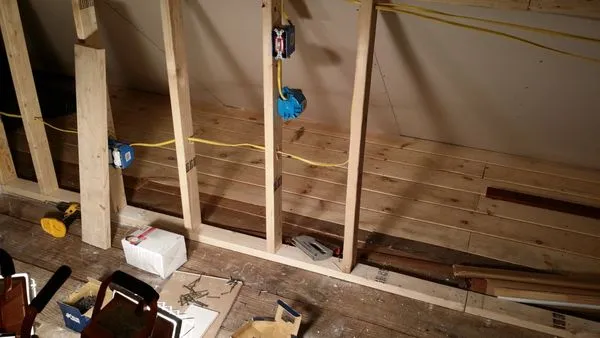
Mechanicks is your versatile, locally-owned solution in Rotterdam, NY, uniquely blending auto care with outdoor property services. We keep your family's vehicles running safely and efficiently with ex...
C&W Landscape & Tree Service is a locally owned and operated Rotterdam company dedicated to solving the common landscaping challenges faced by homeowners in the Capital Region. We specialize in addres...
Precision Designs Mowing and Cleanups is a trusted local lawn and snow service provider in Rotterdam, NY. We specialize in reliable lawn care and efficient snow removal to keep your property looking i...
T&S Lawn and Home Services is a trusted local provider in Rotterdam, NY, specializing in painting, gutter services, and comprehensive lawn care. We understand the common landscaping challenges in our ...
Frequently Asked Questions
What permits and licenses are needed for grading work on my 0.35-acre property?
Grading projects on 0.35-acre lots in Rotterdam typically require permits from the Rotterdam Building Department to ensure compliance with erosion control and drainage standards. Contractors must hold appropriate licensing through the New York State Department of State Division of Licensing Services, particularly for earthwork affecting more than 100 square feet. Proper licensing ensures adherence to state regulations on soil disturbance and protects against liability issues. Always verify credentials before hiring to avoid fines or project delays.
Why does my Carman neighborhood soil seem compacted and acidic despite regular care?
Rotterdam's Carman area, with homes averaging 68 years old since 1958, has acidic silt loam soil that has matured over decades. This soil type naturally compacts under foot traffic and equipment weight, reducing permeability and oxygen availability to roots. Core aeration every 1-2 years is essential to alleviate compaction and improve water infiltration. Incorporating organic amendments like compost can gradually adjust the pH toward neutral while enhancing soil structure for better plant health.
How should I handle invasive species without using prohibited fertilizers?
Common invasive species in Zone 6a, such as Japanese knotweed or garlic mustard, require targeted mechanical removal or approved herbicides applied during active growth periods. The New York State Phosphorus Runoff Control Act prohibits phosphorus application on turf, but organic alternatives like corn gluten meal can suppress weeds safely. Timing treatments outside of blackout dates and using integrated pest management strategies prevents violations while protecting soil and water quality.
How quickly can you respond to an emergency cleanup after a storm in Rotterdam?
Our electric maintenance fleet can dispatch from Rotterdam Square Mall via I-890 within 20-30 minutes during peak response times. This routing avoids residential congestion while complying with the 8:00 AM to 8:00 PM noise ordinance. We prioritize HOA compliance issues and storm debris removal, using battery-powered equipment that operates quietly within restricted hours. This efficiency minimizes property damage risks and restores safety promptly.
How do smart irrigation systems help maintain my lawn during dry spells without violating water rules?
Smart Wi-Fi soil moisture sensor controllers optimize watering by using evapotranspiration (ET) data and real-time soil conditions. These systems prevent overwatering your Kentucky Bluegrass and Fine Fescue mix, conserving water under Rotterdam's voluntary conservation guidelines. By delivering precise irrigation only when needed, they reduce runoff and support deep root growth. This technology helps maintain turf health while staying well within municipal water limits, even during seasonal droughts.
Are concrete pavers and bluestone better than wood for long-term durability in Rotterdam?
Concrete pavers and bluestone offer superior longevity compared to wood, with lifespans exceeding 25 years versus wood's 10-15 years in New York's climate. These materials require minimal maintenance, resist rot and insect damage, and provide excellent fire resistance, supporting Rotterdam's low Firewise rating for defensible space. Their permeability also aids in stormwater management, making them a sustainable choice for hardscapes that withstand freeze-thaw cycles and heavy use.
What solutions exist for seasonal water pooling in my yard with Rotterdam's high water table?
Moderate seasonal high water tables in acidic silt loam soils require engineered drainage solutions. Installing French drains or dry wells can redirect excess water, while permeable concrete pavers or bluestone hardscapes reduce surface runoff. These materials meet Rotterdam Building Department standards for stormwater management by allowing infiltration. Combining these approaches addresses pooling issues and protects foundation integrity in Carman neighborhood lots.
Can I reduce lawn maintenance and noise by planting native species instead of grass?
Replacing high-maintenance turf with native plants like Eastern Redbud, Wild Bergamot, New England Aster, and Switchgrass significantly cuts maintenance needs. These species require less water, no regular mowing, and minimal fertilization, aligning with future gas-blower restrictions under noise ordinances. Native plantings support local pollinators and biodiversity while creating resilient, low-input landscapes. This approach reduces operational noise and prepares your property for evolving municipal regulations.
