Top Landscaping Services in Riverside, NY, 11901 | Compare & Call
There are 193 landscaping companies server in Riverside NY
Velasquez Landscaping & Masonry is a trusted, locally-owned contractor serving Greenport and the surrounding North Fork communities. For over 19 years, we've been helping homeowners and businesses bui...
The Boston Method Landscaping in Shirley, NY, has built its reputation on a straightforward commitment to quality, creativity, and reliability. Residents choose us for our consistent approach to lands...
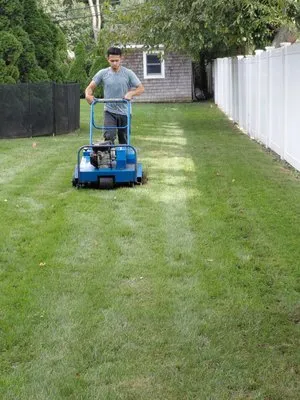
EA Castro Landscaping is a full-service landscaping and snow removal company based in Huntington Station, NY, dedicated to enhancing and maintaining Long Island properties. We specialize in resolving ...
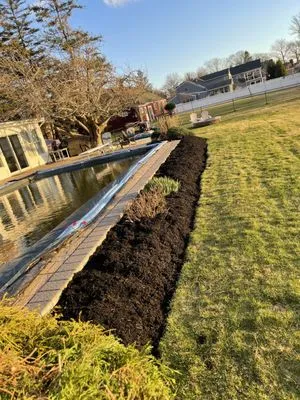
Oscar Morales Landscaping is a locally owned and operated business in Brentwood, NY, dedicated to enhancing the beauty and health of your outdoor space. With years of hands-on experience, owner Oscar ...
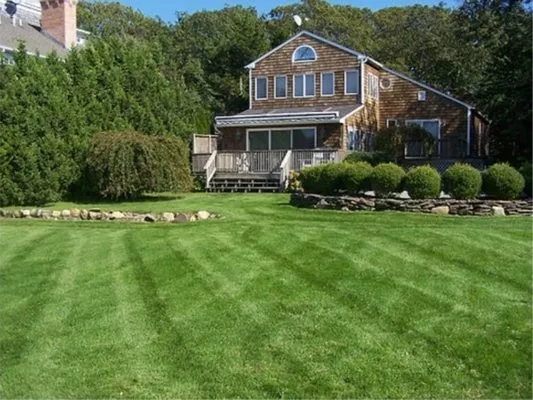
Garcia's Landscaping is your trusted local partner for a healthier, more vibrant yard in Brentwood. We understand the common frustrations of persistent mulch bed weeds and struggling shrubs that can p...
Castro's Tree and Lawncare Services Corp is a Southampton-based landscaping contractor with over 15 years of experience serving the local community and surrounding areas. We specialize in landscape co...

For over four decades, Prestige Lawn Care has been a trusted name for lawn services in Huntington Station, NY. Founded in 1979 by Pete, the company was built on a focused expertise in specialized seed...
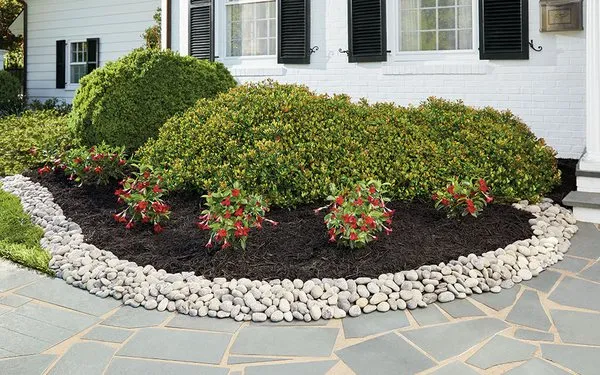
For over 25 years, B S Landscaping has been a trusted, Hispanic-owned landscaping service in East Quogue, dedicated to enhancing our local community. We offer comprehensive care from routine lawn mowi...
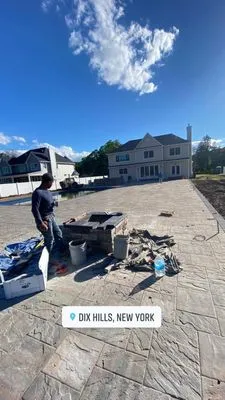
JP Company is your trusted Huntington Station partner for expert painting and landscaping services. We understand the unique challenges local homeowners face, such as landscape edging damage and persi...

Devivo Construction is a trusted general contractor and landscaping expert serving Brooklyn, NY. We specialize in transforming homes with bathroom and kitchen remodels, building additions, and compreh...
Estimated Landscaping Service Costs in Riverside, NY
Questions and Answers
What invasive species should I watch for, and how do I treat them without breaking the fertilizer law?
Japanese Knotweed and Mugwort are prevalent threats in Suffolk County. Manual removal or targeted, EPA-approved herbicide application is required, as these invasives outcompete natives. Crucially, all treatments must avoid the Suffolk County Fertilizer Law blackout period (Nov 1 - April 1), which prohibits nitrogen and phosphorus applications. For soil health post-removal, use only compost or approved biostimulants outside the blackout window.
Are permeable pavers a better long-term choice than wood for a new patio?
For durability and fire resilience, permeable concrete pavers are superior. They have a 40+ year lifespan with minimal maintenance, unlike wood which decays and requires sealing. In our Moderate (WUI Zone 2) fire risk area, pavers provide critical non-combustible defensible space within 30 feet of a structure. Their permeability also directly addresses local drainage mandates, making them a compliant, low-risk investment for Riverside properties.
Why does my lawn in Riverside Center have such thin, patchy soil, and what can I do about it?
Most residential soils in Riverside Center, developed on former farmland in the 1950s, now have a 75-year maturity. The native acidic sandy loam, with a pH of 5.5-6.2, was likely stripped of organic matter during construction and has compacted over decades. This profile inhibits root growth and water retention. Corrective action requires core aeration in early fall and the addition of composted organic matter to rebuild soil structure and biological activity, moving it toward a more resilient loam.
What permits and licenses are needed for regrading and installing a drainage system on my property?
Any significant grading or drainage work on a 0.45-acre lot in Riverside requires a professional licensed by the NYS Department of State. The Southampton Town Planning & Development Department must issue a permit, especially if altering flow patterns or adding impervious cover. Contractors must also comply with the Suffolk County Fertilizer Law during installation. Using an unlicensed operator risks fines and improper work that fails to solve your drainage issues.
Is there a lower-maintenance alternative to my weekly-mowed lawn that also helps local wildlife?
Transitioning sections of turf to a meadow of native plants like Butterfly Milkweed, Little Bluestem, and Coastal Panic Grass significantly reduces water, mowing, and chemical inputs. These species are adapted to our Zone 7a climate and acidic soil, requiring no fertilization. This shift also creates habitat, supports pollinators, and eliminates the need for gas-powered blowers during the restricted summer period, aligning with future-proof, quiet landscape management.
What is your emergency response for storm damage or urgent HOA compliance issues?
Our emergency protocol prioritizes dispatch from our staging area near Peconic Riverfront Park. Crews travel via NY-24 (Flanders Road) into Riverside Center, maintaining a 20-30 minute response window during peak periods. We deploy electric-powered chainsaws and chippers first to comply with local noise ordinances, followed by systematic debris removal and temporary stabilization to prevent further property damage or code violations.
My sandy soil drains too fast, washing away nutrients. What's a permanent solution?
Rapid leaching is inherent to acidic sandy loam. Beyond adding organic matter, surface hardscape is key. Installing permeable concrete pavers for patios or walkways allows stormwater to infiltrate directly, recharging groundwater and meeting Southampton Town runoff standards. This system, combined with swales planted with deep-rooted natives, manages water on-site, reduces erosion, and mitigates the nutrient loss that plagues sandy soils.
How can I maintain a healthy lawn under Stage 1 water conservation rules?
Effective irrigation under voluntary conservation mandates precision. A Wi-Fi ET-based system schedules watering using real-time evapotranspiration data, applying water only when needed and often during pre-dawn hours to minimize loss. For Kentucky Bluegrass and Fine Fescue blends in Zone 7a, this typically means 1 to 1.5 inches per week, split across 2-3 cycles. This method prevents overwatering, which is critical given the soil's high permeability, and keeps your lawn within municipal guidelines.
