Top Landscaping Services in Richmond Hill, NY, 11418 | Compare & Call
There are 198 landscaping companies server in Richmond Hill NY

Twin Blades is a dedicated lawn care and snow removal service serving Brooklyn, NY. Founded on the principle of reliable, personalized service, we understand the unique challenges of maintaining a hea...
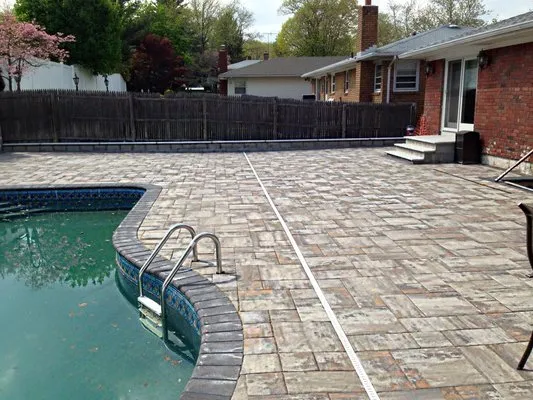
Castellano and Sons is a family-run landscaping and masonry contractor with deep roots in Brooklyn. Founded in 1975 by Rocco Castellano, the business is now proudly operated by his son, Salvatore, and...
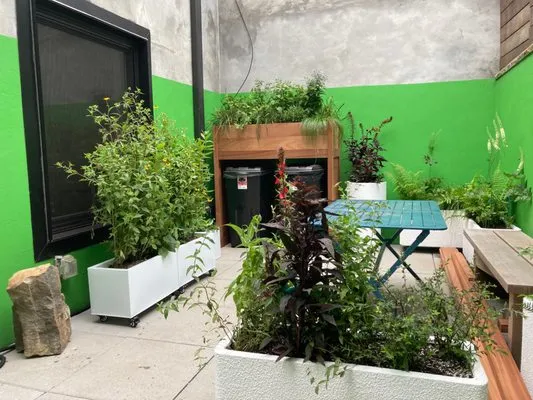
Our Temenos is a Brooklyn-based, worker-owned landscape design studio dedicated to creating sustainable outdoor spaces. We specialize in designing, building, and maintaining native and edible gardens ...

Arhome General Contractors is a trusted, full-service provider for homeowners and businesses across New York, NY. We combine expertise in construction, cleaning, and landscaping to offer a seamless, i...
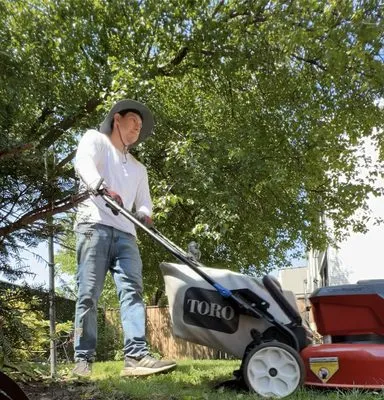
The Blue Sprayer brings a unique, science-based approach to landscaping in New York, NY. Founded by an experienced agronomist with deep expertise in turf, gardening, and landscape design, this busines...
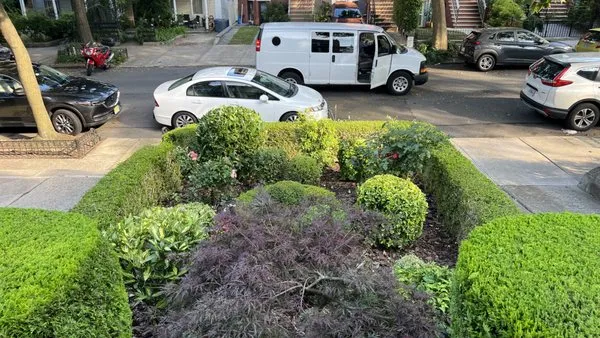
Diyarza Landscaping is a Brooklyn-based company dedicated to revitalizing outdoor spaces for local homeowners. We specialize in replacing aged fences, installing durable patios and decks, and handling...
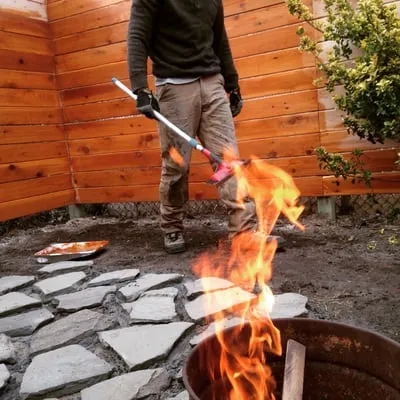
New York Garden Design & Landscape is a Woodside-based company specializing in custom outdoor solutions for New York City residents. With over a decade of experience working in the Hamptons, we bring ...
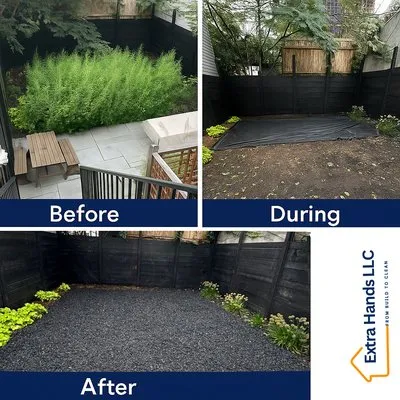
Extra Hands Solutions is a Queens-based service provider dedicated to helping local businesses and homeowners maintain and improve their properties. We specialize in commercial cleaning, landscaping, ...
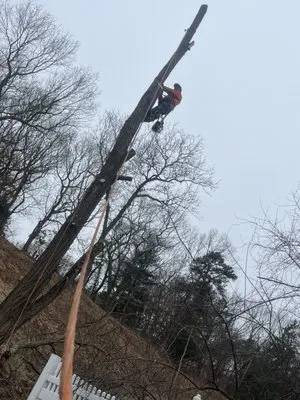
Victorio Tree Service & Landscaping has been a trusted name in Brentwood, NY, for over 21 years. Founded on a genuine passion for the craft, owner Victorio began his career learning from established c...
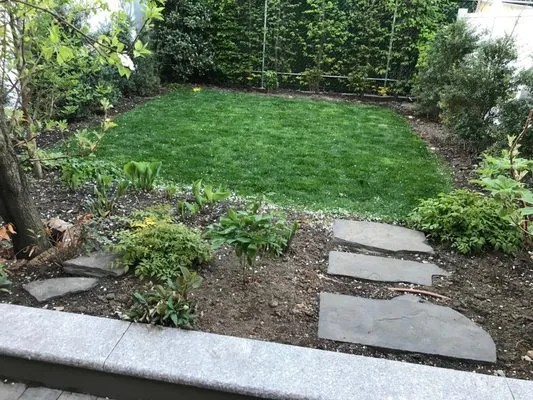
Sosa Irriscape is a Brooklyn-based landscaping and irrigation company dedicated to transforming outdoor spaces across the borough. We specialize in comprehensive solutions including irrigation constru...
Estimated Landscaping Service Costs in Richmond Hill, NY
Question Answers
What should I do about invasive weeds like Japanese Knotweed without harming my lawn?
Manual removal or targeted, non-residual herbicide application during active growth phases is key for invasive species. It is crucial to avoid any fertilizer containing phosphorus, as per NYS law, and to time any treatment outside of peak runoff periods to protect local waterways. For perennial invaders, a multi-year management plan focusing on exhausting the root system is more effective than single applications.
Can I have a green lawn while following the city's water conservation guidelines?
Yes, by utilizing smart, ET-based irrigation controllers. These systems use local weather data to apply water only when your Tall Fescue and Bluegrass blend actually needs it, replacing fixed schedules. This technology typically reduces potable water use by 20-30% while maintaining turf health, keeping you well within municipal conservation parameters without sacrificing canopy density.
How quickly can you respond to an emergency like a storm-downed tree for HOA compliance?
Our emergency protocol for Richmond Hill South prioritizes a dispatch from our Forest Park staging area. Using the Van Wyck Expressway (I-678) allows for a target arrival window of 25-40 minutes during peak congestion, ensuring we can secure hazardous limbs and initiate debris removal to meet typical covenant deadlines. This routing is calculated to bypass local arterial bottlenecks common in post-storm scenarios.
Why does my soil seem so tired and compacted compared to newer neighborhoods?
Properties from the 1940s, like many in Richmond Hill, have mature urban fill soils. After 85 years of development pressure and foot traffic, the original sandy loam structure has degraded, leading to poor permeability and low organic matter. Core aeration and the addition of compost are not just beneficial; they are essential interventions to reintroduce pore space and microbial life into this aged soil profile, directly improving root health and water infiltration.
Do I need a permit to regrade my small backyard, and what should I look for in a contractor?
Yes, significant regrading that alters drainage patterns or involves structural retaining walls typically requires a permit from the NYC Department of Buildings. For any contractor, verify they hold a Home Improvement license through the NYS Department of State's Division of Licensing Services. This is a non-negotiable credential that ensures legal recourse and adherence to code, especially important for work that impacts your property's foundation and neighboring lots.
Are permeable concrete pavers a better long-term choice than wood decking?
For longevity and reduced maintenance, permeable pavers significantly outperform wood. They do not rot, splinter, or require sealing, and their inherent stability prevents heaving in our freeze-thaw cycles. While Richmond Hill has a low wildfire risk, the non-combustible nature of pavers provides inherent defensible space, and their permeability directly mitigates the local stormwater runoff hazard common on 0.06-acre lots.
I want a lower-maintenance yard that's quieter and helps pollinators.
Transitioning turf areas to a planting palette of Eastern Redbud, Purple Coneflower, Swamp Milkweed, and Little Bluestem grass reduces water, mowing, and chemical inputs. This native matrix supports local biodiversity and, critically, minimizes the need for gas-powered leaf blowers subject to NYC noise code restrictions. The deep root systems of these plants also build long-term soil structure and drought resilience.
My yard floods after every heavy rain. What's a permanent solution?
High runoff in Richmond Hill South is often due to impervious surface saturation and compacted urban fill soils. Installing subsurface French drains or dry wells addresses the symptom, but replacing solid concrete with permeable pavers is a systemic fix. These pavers allow stormwater to percolate into the subsoil, reducing discharge into the sewer system and often aligning with NYC Department of Buildings runoff mitigation standards for renovated hardscapes.
