Top Landscaping Services in Rhinebeck, NY, 12572 | Compare & Call
There are 202 landscaping companies server in Rhinebeck NY
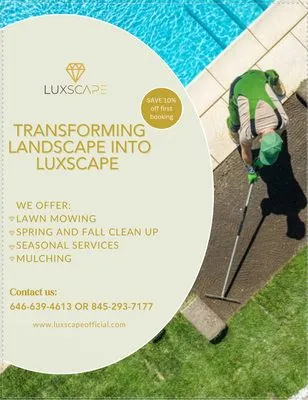
Luxscape is a locally owned and operated lawn care business serving Saugerties, NY, dedicated to maintaining healthy, vibrant lawns through meticulous service and sustainable practices. Our experience...
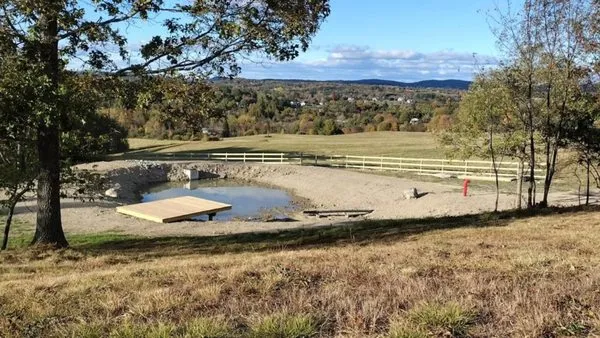
TNT Property Maintenance And Development
TNT Property Maintenance And Development is a locally owned and operated excavation and property services company serving Carmel Hamlet, NY, with over 40 years of experience. We specialize in excavati...
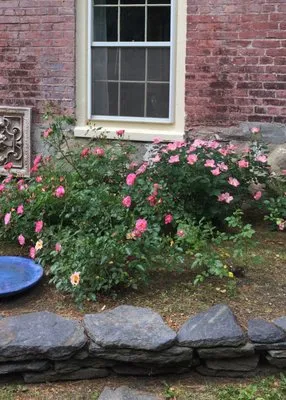
Babaraba, Ltd. is a dedicated Nassau-based landscaping company built on personal service and long-term care. We handle everything from initial design and major construction—like patios, retaining wall...

Cal's Lawn Maintenance is a licensed lawn care provider serving Northern Dutchess County, including Hyde Park, NY. We offer comprehensive landscaping, gutter services, and junk removal solutions tailo...
Lawn Doctor in Hyde Park, NY provides professional landscaping, pest control, and tree services to keep your property healthy and beautiful year-round. We understand the local challenges homeowners fa...
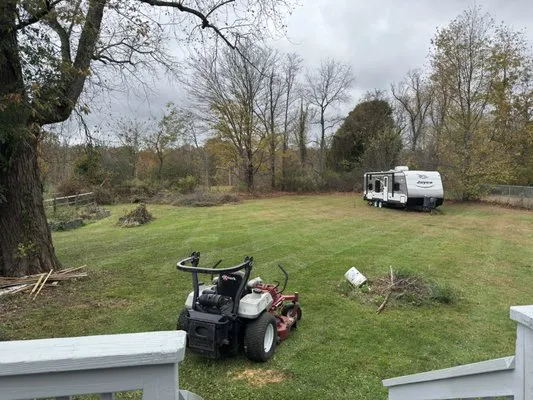
Starkman Lawn Care is a locally owned and operated business dedicated to keeping lawns in Rhinebeck and across Dutchess County clean, healthy, and well-maintained throughout the year. We provide relia...

The Panda Trees and Landscaping
The Panda Trees and Landscaping is a family-owned business in Stanfordville, NY, founded by a local single father who turned his passion for outdoor spaces into a professional legacy. Specializing in ...
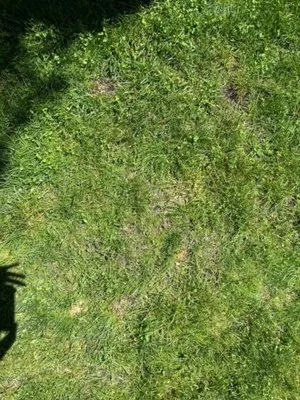
Green and Serene Lawn Care is a Millbrook-based lawn service dedicated to sustainable, residential care. We utilize modern, battery-powered equipment to provide quiet, emissions-free weekly or bi-week...
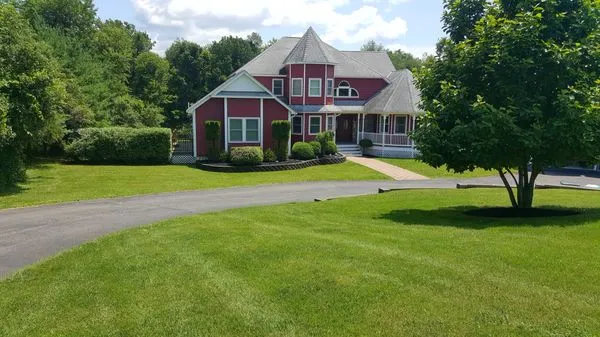
Triple L Lawn And Landscape is a trusted, locally-owned landscaping company serving Red Hook, NY, and the surrounding Hudson Valley. We understand the unique challenges homeowners face here, from land...
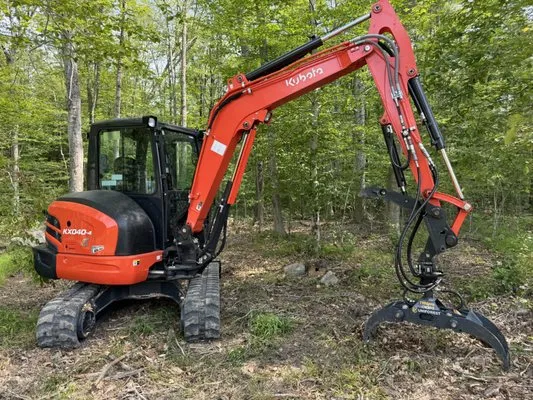
Barraco Build and Bloom is a family-owned and operated irrigation and lawn service business based in Tivoli, NY, proudly serving Dutchess County. Founded by a local who was born and raised in nearby R...
Estimated Landscaping Service Costs in Rhinebeck, NY
Questions and Answers
Why is my garden soil so compacted and acidic, and what can I do about it?
Rhinebeck Village properties, with houses averaging from 1964, have soils that have matured for over 60 years. This acidic silt loam has undergone decades of foot traffic and conventional maintenance, leading to severe compaction that inhibits root growth and water percolation. Core aeration is essential to relieve this compaction, followed by amending with compost to increase organic matter and buffer the naturally low pH. This process directly improves the soil's structure and fertility for healthier plants.
How can I keep my lawn healthy during dry spells without violating water use guidelines?
Smart, ET-based irrigation controllers are the solution for Rhinebeck's voluntary conservation status. These systems use local weather data to apply water only when your Kentucky Bluegrass and Fine Fescue blend actually needs it, preventing overwatering. This technology can reduce potable water use by up to 30% while maintaining turf health. It is the most effective method for adhering to municipal water limits and promoting deep root growth.
My yard stays soggy and I'm worried about frost heave damaging my walkways. What's the fix?
A high seasonal water table and frost heave are common challenges in our acidic silt loam. The primary solution is improving sub-surface drainage with French drains or dry wells to manage groundwater. For new hardscapes, using permeable bluestone paver systems allows stormwater to infiltrate the soil, reducing surface runoff. These designs often meet the Town of Rhinebeck's stormwater management standards for residential projects.
Is bluestone or pressure-treated wood better for a new patio in terms of longevity?
Bluestone pavers offer superior longevity and lower lifetime maintenance compared to wood, which is susceptible to rot and insect damage. In our Zone 6a climate with freeze-thaw cycles, a properly installed bluestone patio on a compacted gravel base will remain stable for decades. For all residential zones, including our low Firewise rating area, bluestone also provides a non-combustible material that contributes to defensible space.
What permits and qualifications should I verify before hiring someone for major grading or landscaping?
Any significant grading or earthwork on a 0.35-acre lot typically requires a permit from the Town of Rhinebeck Building & Zoning Department. You must hire a contractor licensed by the New York State Department of State. This licensing ensures they carry the required insurance and understand state law, protecting you from liability for improper drainage that could affect neighboring properties in the historic district.
What are the most aggressive invasive plants here, and how do I remove them safely?
Japanese Knotweed and Mugwort are high-priority invasive species in Dutchess County. Manual removal and targeted, systemic herbicide applications are most effective. All treatments must use phosphorus-free products to comply with New York's Nutrient Runoff Law. Timing is critical; applications are best made during active growth periods and never during blackout dates designed to protect watersheds, typically in early spring and late fall.
How quickly can a crew respond for an emergency storm cleanup to meet HOA compliance deadlines?
For urgent compliance or storm damage on a property like yours, our standard peak response time is 45-60 minutes. A crew dispatched from the Dutchess County Fairgrounds area would take NY State Route 9 to Rhinebeck Village. We prioritize these calls to operate within the town's commercial noise ordinance hours of 8:00 AM to 7:00 PM, ensuring all work is completed efficiently and legally.
I want to reduce mowing, noise, and maintenance. What are my options?
Transitioning to a climate-adaptive landscape with native plants is a forward-thinking strategy. Replacing turf areas with Eastern Redbud, Purple Coneflower, and Swamp Milkweed creates a resilient, low-water habitat that supports local pollinators. This approach significantly reduces the need for weekly mowing and gas-powered equipment, aligning with evolving noise ordinances and 2026 biodiversity goals for the Hudson Valley.
