Top Landscaping Services in Rego Park, NY, 11374 | Compare & Call
There are 189 landscaping companies server in Rego Park NY
Zoar City Gardens is a Queens-based landscaping company founded by Nanaba David Akunvabey, who combines formal training in agricultural science with a lifelong passion for hands-on cultivation. His jo...

Eagle Landscaping Service is a trusted, family-owned Jamaica, NY business with over 12 years of experience transforming local properties. We provide honest, comprehensive landscaping and tree services...
Parente Landscaping is a dedicated local landscaping service operating in Kew Gardens, NY, focused on addressing the common challenges homeowners face. We specialize in rejuvenating patchy, thinning l...
Otto Angel's Landscaping is a trusted, locally-owned landscape design firm serving Jamaica, NY, and the surrounding Queens communities. We specialize in creating beautiful, functional, and durable out...
New York Maintenance Group
New York Maintenance Group is a family-owned and operated business serving Middle Village and the greater NYC area since 2007. We specialize in providing reliable snow removal, comprehensive landscapi...
Long Island Landscape Gardens is your trusted, locally-owned landscaping partner in Richmond Hill, NY. We understand the specific challenges homeowners face in our area, such as compacted soil that st...

Isaiah's Figtree is a Fresh Meadows-based family business founded in 2015, born from a deep belief in the transformative and healing power of nature. Our mission is to bridge the gap between urban lif...

Ever Green Landscaping is your trusted, local landscaping partner serving Kew Gardens, NY. We understand the specific challenges homeowners in our community face, from unsightly landscape edging damag...
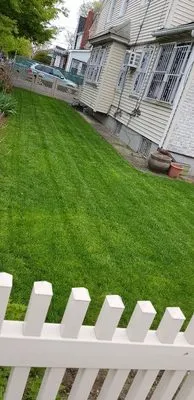
Affordable Landscaping And Sprinkler Services is your trusted, local partner for creating and maintaining beautiful outdoor spaces in Queens, NY. We specialize in comprehensive landscaping, from initi...
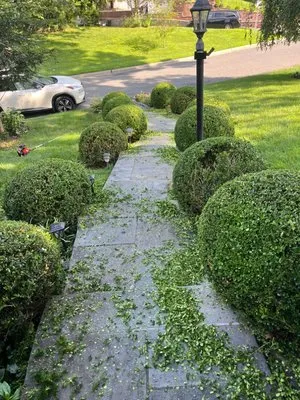
Landscaping Service MHM is your trusted local partner for a healthy, beautiful property in Sands Point. We understand the unique challenges homeowners face in our coastal community, from persistent we...
Estimated Landscaping Service Costs in Rego Park, NY
Questions and Answers
How can I maintain my lawn during voluntary water conservation periods?
Wi-Fi ET-based weather sensing irrigation systems calculate evapotranspiration rates to deliver precise water amounts matching turf needs. This technology preserves Kentucky Bluegrass and Tall Fescue blends while staying within municipal water limits, even during voluntary conservation. The system automatically adjusts for rainfall and humidity, reducing water use by 20-30% compared to traditional timers while maintaining soil moisture at optimal levels for root health.
How quickly can you respond to an emergency cleanup for HOA compliance?
Emergency cleanups from Lost Battalion Hall via the Long Island Expressway (I-495) typically require 25-40 minutes during peak traffic conditions. Our electric maintenance fleet operates within NYC Noise Code restrictions, allowing year-round deployment without gas-powered blower limitations. This routing prioritizes Rego Park's accessibility while maintaining compliance with local ordinances for rapid storm response and debris removal.
Why does my Rego Park lawn struggle despite regular care?
Rego Park homes built around 1948 have soil that has matured for 78 years, developing into urban fill/sandy loam with pH 6.5-7.2. This soil type often becomes compacted over decades, reducing permeability and root penetration. Core aeration and organic amendments like compost are essential to improve soil structure and water retention. Without these interventions, even established turf like Kentucky Bluegrass and Tall Fescue blends will show stress during peak growing seasons.
How do I manage invasive species without violating fertilizer regulations?
Japanese knotweed and garlic mustard pose significant risks in Rego Park's urban ecosystems. Treatment requires targeted mechanical removal or EPA-approved herbicides applied during non-restricted periods, avoiding New York State's phosphorus ban in dishwashing detergent and nutrient runoff law. Soil testing determines specific amendment needs, while mycorrhizae inoculants can improve plant health without synthetic fertilizers that might violate local ordinances during blackout dates.
Are concrete pavers better than wood for long-term durability?
Concrete pavers offer superior longevity compared to wood, with 30+ year lifespans versus wood's 10-15 years in Rego Park's climate. Their non-combustible nature supports the area's low Firewise rating for urban/suburban density by creating defensible space without fuel sources. Concrete's thermal mass moderates temperature fluctuations, while interlocking designs accommodate soil movement without cracking, making them ideal for Zone 7b freeze-thaw cycles.
What solutions address runoff issues in my Rego Park yard?
High runoff from impervious surfaces in sandy loam soil requires permeable hardscape solutions. Concrete pavers with joint spacing filled with gravel or polymeric sand increase permeability by 30-50%, meeting NYC Department of Buildings runoff standards. Installing French drains or dry wells in conjunction with permeable pavers redirects water from saturated areas, preventing erosion and foundation damage common in Rego Park's urban fill soil conditions.
What permits and licensing are needed for grading work on my property?
Grading work on Rego Park's 0.08-acre lots requires NYC Department of Buildings permits for soil disturbance exceeding 12 inches depth. Contractors must hold New York State Department of State licensing for landscape architecture or contracting, ensuring compliance with erosion control and runoff management standards. Professional licensing verifies expertise in soil percolation testing and proper slope stabilization, critical for preventing drainage issues in the neighborhood's compact urban lots.
What alternatives reduce maintenance while supporting local ecology?
Replacing high-maintenance turf with native plants like Eastern Redbud, Purple Coneflower, Switchgrass, and Swamp Milkweed creates resilient landscapes requiring minimal inputs. These species support 2026 biodiversity standards while reducing mowing frequency and eliminating gas-powered equipment use during NYC's May-September blower restrictions. Native plantings establish deep root systems that improve soil structure and require 70% less water than traditional turf once established.
