Top Landscaping Services in Red Hook, NY, 12571 | Compare & Call
There are 179 landscaping companies server in Red Hook NY
Mud Foot Landscaping is a full-service landscaping company serving Rhinebeck, NY, and the surrounding Hudson Valley. We specialize in comprehensive landscape construction, maintenance, and care, from ...
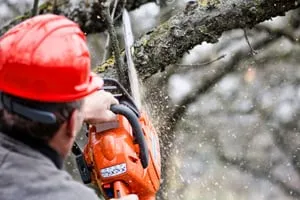
Craig Kurkela Arborist provides expert tree care and landscape maintenance services to the Rhinebeck, NY community. Local homeowners often struggle with weed infestations and moss growth, which can ov...
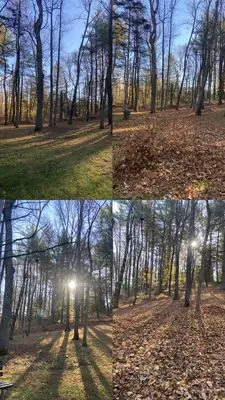
Mikes Lawn & Landscaping is a Red Hook, NY-based business dedicated to providing reliable, affordable junk removal, hauling, lawn services, and pressure washing to the local community. Founded with a ...
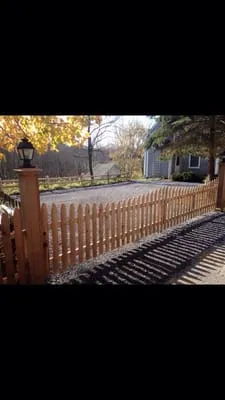
A+ Outdoors Property Services
A+ Outdoors Property Services is your trusted local expert for tree services, landscaping, and property management in Tivoli, NY. We specialize in keeping Hudson Valley properties beautiful and functi...
Swart David M & Laurie A is a trusted, family-run landscaping business dedicated to serving the Red Hook, NY community. We understand the specific challenges local homeowners face, particularly issues...
Top of the Line Lawn Services is your local Elizaville expert dedicated to solving common area landscaping challenges. Many homeowners here deal with patchy, thin grass and areas of standing water tha...
J Sstagias Construction is a trusted, locally-owned and operated contractor in Elizaville, NY, specializing in excavation, trench digging, and carpentry. We understand the common landscaping challenge...
MoveIN Design is a Saugerties-based interior design and general contracting firm that also offers expert landscaping services to address common local outdoor challenges. We specialize in transforming ...
D & A Lawncare is a locally owned and operated lawn service provider based in Saugerties, NY, serving Ulster, Greene, and Northern Dutchess Counties. We specialize in comprehensive lawn care, tree ser...
Estimated Landscaping Service Costs in Red Hook, NY
Q&A
I've spotted what looks like Japanese Knotweed. How do we handle invasive species here?
Correct identification is critical; Knotweed and others like Mugwort are prevalent. For established perennial invasives, professional treatment with glyphosate via selective stem injection in late summer is often the only effective control. This targeted method minimizes drift and complies with NYS nutrient runoff laws by avoiding broad-scale spraying. Always coordinate treatment schedules around the local fertilizer ordinance's blackout dates to prevent any compliance issues.
We're adding a patio. Is bluestone a better long-term choice than composite or wood?
Bluestone is the superior choice for longevity and ecology. As a natural stone paver, it has a lifespan measured in decades versus years for wood, requires no chemical sealants, and remains stable through freeze-thaw cycles. For fire-wise planning in our 'Moderate' rating zone, bluestone provides a non-combustible, defensible space buffer when installed within 5-10 feet of the home, a crucial safety consideration that composite materials cannot match.
A major storm just downed limbs everywhere. How quickly can a certified crew respond for an emergency cleanup?
For urgent storm response in the Village Center, our dispatch from the Meadowbrook Farm area uses US Route 9 for direct access. We maintain a peak response window of 20-30 minutes for initial site assessment and safety mitigation. Crews arriving within this timeframe are equipped with electric saws and chippers that comply with the local 8:00 PM noise curfew, allowing for extended, quieter work if daylight is limited.
Our yard holds water for days after a rain. What's a permanent solution that also looks good?
Persistent pooling indicates the poor infiltration inherent to our silt loam soil. The engineered solution is a French drain system tied to dry wells or daylighted outlets, coupled with regrading to direct surface flow. For hardscape areas, specify permeable base installations using materials like bluestone pavers set on an open-graded aggregate base. This system meets Red Hook Building & Zoning Department runoff management standards by dramatically increasing on-site percolation.
We need significant regrading on our .45-acre lot. What permits and contractor credentials are required?
Any grading that alters drainage patterns or involves more than 50 cubic yards of earth movement requires a permit from the Red Hook Building & Zoning Department. The contractor must hold specific licensing through the NYS Department of State, Division of Licensing Services, for home improvement. On a lot of this size, improper grading can cause off-site runoff damage, leading to significant liability; verifying this state-level license is your primary safeguard.
Our Village Center lawn seems to fight us every year. Given our 1970s-built homes, what's the real issue with our soil?
Properties built around 1970 in Red Hook have over 50 years of soil maturation on Dutchess-Cardigan silt loam. This soil naturally compacts and becomes acidic, with pH levels often at the lower end of the 5.5-6.2 range. This compaction severely limits permeability and root penetration for your Kentucky Bluegrass mix. Annual core aeration in early fall and amendments with calcitic lime are not optional; they are essential to counteract this historical compaction and restore soil structure for healthy turf.
We want a green lawn but don't want to waste water. What's the smartest irrigation setup for our zone?
The correct system uses Wi-Fi enabled, ET-based smart controllers paired with in-ground soil moisture sensors. This technology schedules irrigation based on actual evapotranspiration rates and root-zone dryness, not just a timer. It applies water only when and where your Fine Fescue mix needs it, conserving significant municipal water even when no formal restrictions are in place. This precise approach prevents the over-watering that exacerbates our area's seasonal high water table.
I'm tired of weekly mowing. What's a lower-maintenance, eco-friendly alternative to my grass?
Transitioning to a xeriscape or native meadow garden using plants like Monarda fistulosa, Panicum virgatum, and Asclepias tuberosa is the strategic move. These deep-rooted natives thrive in our Zone 6a climate and existing soil pH, requiring no irrigation once established and only an annual cutback. This shift eliminates weekly gas mower use, aligning with evolving noise ordinances and providing critical habitat, putting your property ahead of 2026 biodiversity benchmarks.
