Top Landscaping Services in Queens, NY, 11001 | Compare & Call
There are 166 landscaping companies server in Queens NY
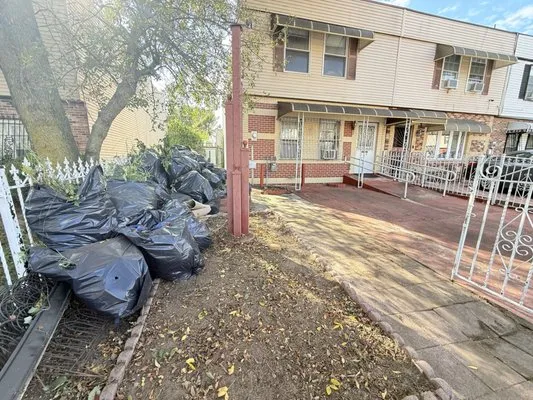
Datco Aesthetics Construction is a New York-based home improvement and landscaping company dedicated to enhancing both indoor and outdoor living spaces. We specialize in a comprehensive range of servi...
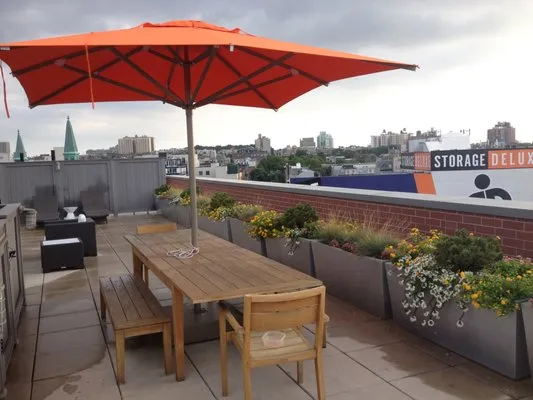
Jay Gardens has been a trusted Brooklyn partner for beautiful, sustainable outdoor spaces since 2004. We combine expert garden design with precise construction to solve common local landscaping challe...
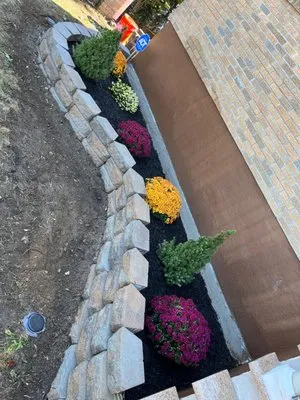
Prestige Landscaping is a full-service landscape architecture and design firm serving New York, NY. We specialize in comprehensive solutions from initial design to ongoing maintenance, addressing comm...
Tree Green Family is a locally owned and operated business born from a desire to give back to our New York City community. Founded by President Mr. Williams, our journey started by noticing the everyd...

Trillium Landscape Design was founded by Daniel Hunter, a horticulturist with over 25 years of experience who was raised in Stratford, Canada, and educated at the University of Guelph and the prestigi...
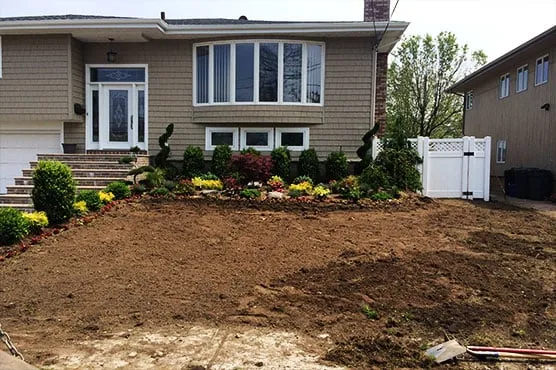
Marvin Garcia Landscaping Corp is a licensed, bonded, and insured landscaping company serving Inwood, NY, with over 15 years of local experience. We specialize in transforming and maintaining outdoor ...
Kelco Landscaping Incorporated is a Brooklyn-based landscaping company dedicated to solving the specific, common challenges faced by local property owners. We understand that Brooklyn's unique environ...
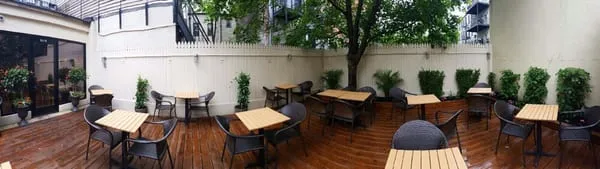
Oasis Landscaping is a dedicated Glen Cove, NY, landscaping company specializing in expert shrub care and comprehensive landscape maintenance. We understand that local homeowners often struggle with p...
Rocco Cetta Landscaping is a trusted, Brooklyn-based contractor specializing in gardening and landscape maintenance. We understand the unique challenges of New York soil and climate, particularly the ...
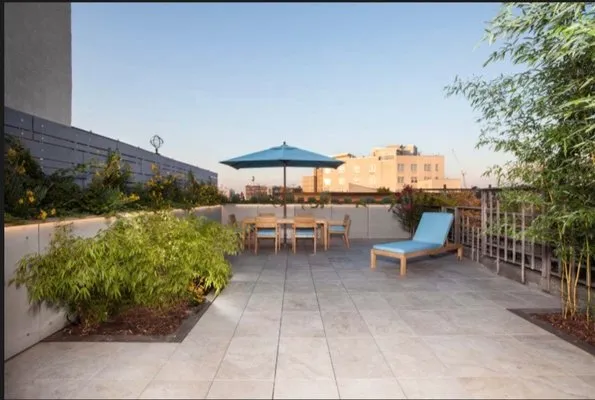
Urban Green Design, founded by Dennis Walker in 2004, transforms New York City's urban exteriors. Drawing on a unique blend of practical ranch upbringing in Kansas, a formal background in finance, and...
Estimated Landscaping Service Costs in Queens, NY
Question Answers
Our yard's soil seems dense and struggles to grow grass. Is this a common problem for Forest Hills properties?
This is typical for lots built around 1951, where the original topsoil was removed and replaced with urban fill during construction. Your 75-year-old soil profile is an Urban Anthropogenic Silt Loam, which becomes heavily compacted over decades. This compaction severely limits soil percolation and root penetration. Core aeration and incorporating composted organic matter are essential to rebuild structure and biological activity.
What permits and licenses are needed to regrade our yard and install a patio?
Regrading that alters drainage patterns or involves significant soil movement on a 0.12-acre lot typically requires a permit from the NYC Department of Buildings. The contractor must hold a Home Improvement license from the NYS Department of State. This licensing ensures they carry proper insurance and adhere to code, which is critical for work that can affect property foundations and neighboring water management.
If a storm downs a tree limb, how quickly can a crew respond for an emergency cleanup?
For emergency storm response, our routing from a central staging area like Flushing Meadows-Corona Park uses the Grand Central Parkway. During peak traffic, we plan for a 45-60 minute dispatch window to reach Forest Hills. This allows for safe transport of electric chippers and loaders, which comply with local noise ordinances, ensuring a rapid and compliant HOA or city-mandated cleanup.
We want a lower-maintenance, eco-friendly yard. What should we plant?
Transitioning to a native plant palette is a forward-thinking strategy. Species like Eastern Redbud, Purple Coneflower, and Little Bluestem are adapted to USDA Zone 7b and require minimal inputs once established. This reduces or eliminates the need for gas-powered blowers and mowers, aligning with NYC's noise ordinance trends. It also creates a resilient, biodiverse landscape that supports local pollinators and requires less water.
Our backyard floods after heavy rain. What's a long-term solution?
High runoff from compacted urban fill is a primary drainage hazard here. The solution involves improving subsurface permeability. Installing a network of permeable concrete pavers allows stormwater to infiltrate the ground, reducing surface flow. This approach often meets NYC Department of Buildings standards for managing onsite runoff and can be integrated with dry wells or infiltration trenches for complete system performance.
Are permeable pavers a better choice than wood for a new patio?
For longevity and function, permeable concrete pavers are superior. Unlike wood, they do not rot, warp, or require chemical treatments. Their inherent permeability directly addresses local drainage issues. While the Firewise rating here is Low, pavers provide a non-combustible, defensible space material, adding a layer of safety. Their durability and low maintenance offer a better lifetime value for the urban environment.
What are the most common invasive weeds here, and how do we control them safely?
Japanese Knotweed and Mugwort are prevalent invasive species in Queens. Manual removal and targeted, systemic herbicide application in fall are most effective. Crucially, any fertilizer used must be phosphorus-free to comply with NYC law, and applications are timed outside of blackout dates to protect waterways. Promoting dense growth of desired plants through proper soil health is the best long-term defense.
How can we keep our lawn healthy during the summer without wasting water?
Under NYC's Stage 1 water restrictions, efficient irrigation is mandatory. A Wi-Fi ET-based system uses local weather data to apply only the precise water lost to evapotranspiration. For a Kentucky Bluegrass and Tall Fescue blend, this means deep, infrequent watering that promotes drought-tolerant roots. This technology automatically adjusts for rainfall, preventing overwatering and keeping you well within municipal water use guidelines.
