Top Landscaping Services in Putnam Valley, NY, 10512 | Compare & Call
There are 158 landscaping companies server in Putnam Valley NY

The Turf Barbers is a trusted landscaping and gardening service based in Yorktown Heights, NY, specializing in comprehensive shrub care and landscape maintenance. We help local homeowners tackle commo...
Ferdy's Landscaping is a trusted, locally-owned landscaping company serving Katonah and surrounding Westchester communities. We specialize in creating and maintaining beautiful, healthy outdoor spaces...
Eddie's Yard is a trusted, full-service landscaping company serving Yorktown Heights, NY, specializing in lawn care, tree services, and masonry/concrete work. We understand that many local homeowners ...
Underhill Contracting is a trusted, full-service contracting and landscaping company serving Katonah and the surrounding Northern Westchester communities. We provide a comprehensive range of services ...
Marino Tree & Landscape is a trusted, family-owned outdoor services provider based in Yorktown Heights, NY, serving Westchester and Putnam counties. With years of local experience, we specialize in tr...
Gerard Gargiulo provides professional landscaping services to the Highland Falls, NY community. We understand the common local challenges homeowners face, such as persistent sprinkler leaks that waste...
Anthony Landscaping and Tree Service is a trusted, locally-owned company serving Mahopac, NY, and the surrounding area. We specialize in comprehensive landscape maintenance, expert tree care, and reli...
Rivas Landscaping is a trusted, full-service provider for Lake Mohegan residents and businesses. We specialize in comprehensive lawn care, including mowing, edging, and full seasonal cleanups, alongsi...
Urway Landscape Management
Urway Landscape Management is a trusted Yorktown Heights provider offering comprehensive lawn care, landscape design, and garage door services. We understand the unique challenges local homeowners fac...
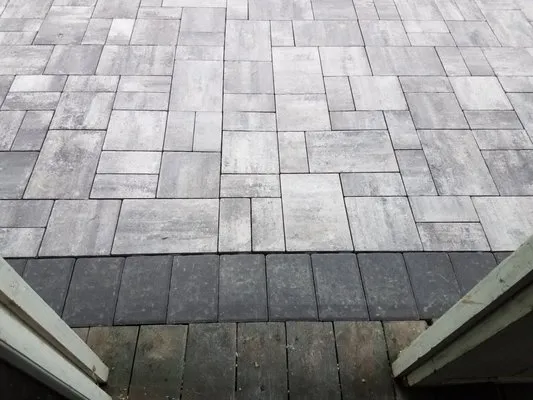
B & B Landscape Service has been a trusted Cortlandt, NY, resource since 1989, providing reliable and expert landscaping for Putnam and Westchester Counties. As a licensed and insured member of the Ne...
Estimated Landscaping Service Costs in Putnam Valley, NY
FAQs
Why does my Oscawana Lake property have such poor soil drainage despite regular maintenance?
Properties built around 1974 in Putnam Valley have approximately 52 years of soil development on acidic sandy loam. This soil type naturally has low organic matter retention and poor aggregation, leading to compaction over decades. Core aeration with organic amendments like composted leaf mold addresses permeability issues by improving soil structure and water infiltration. The pH range of 5.5-6.2 in this neighborhood indicates aluminum toxicity potential, which further restricts root growth and drainage capacity.
How quickly can you respond to an emergency tree cleanup after a storm in Oscawana Lake?
Emergency storm response from Putnam Valley Town Hall via the Taconic State Parkway typically requires 45-60 minutes during peak conditions. Our electric maintenance fleet operates within the 7:00 AM to 8:00 PM noise ordinance window while meeting low-decibel standards. We prioritize routes that avoid known drainage bottlenecks along steep topography areas. HOA compliance inspections can be scheduled within 24 hours for urgent vegetation management needs.
Should I replace some lawn areas with native plants to reduce maintenance costs and noise?
Transitioning high-maintenance turf to Eastern Redbud, Sweet Pepperbush, and Little Bluestem reduces mowing frequency and aligns with evolving noise ordinance standards for gas-powered equipment. Native plantings require 75% less irrigation once established and support local pollinator populations. This approach creates layered vegetation that meets WUI Zone 2 fire-wise requirements through strategic spacing. Electric maintenance equipment operates effectively within native planting schemes while minimizing disturbance to wildlife habitats.
How do I control invasive species without violating phosphorus restrictions in my landscape?
Japanese knotweed and garlic mustard present significant invasion risks in Putnam Valley's disturbed soils. Mechanical removal before seed set, followed by solarization using clear plastic, effectively suppresses regrowth without chemicals. Organic amendments like mycorrhizal inoculants improve soil biology to outcompete invasives naturally. All treatments comply with New York State's phosphorus prohibition by using slow-release nitrogen sources only during approved application windows outside of blackout dates.
Is bluestone or wood decking better for longevity and fire safety in my landscape?
Bluestone and native fieldstone offer superior longevity with minimal maintenance compared to wood decking in Putnam Valley's freeze-thaw cycles. These materials provide non-combustible surfaces that contribute to defensible space requirements for Moderate fire-wise ratings. Stone hardscapes maintain structural integrity for decades without chemical treatments or replacement. Their thermal mass moderates microclimate temperatures while creating permanent pathways that don't require annual sealing or staining.
What permits and licenses are needed for regrading my 1.5-acre Oscawana Lake property?
Grading work exceeding 100 cubic yards on a 1.5-acre lot requires Putnam Valley Building Department approval for erosion control and drainage plans. Contractors must hold appropriate licensing through the New York State Department of State Division of Licensing Services for excavation and earth movement. Projects impacting more than one acre trigger DEC stormwater pollution prevention permits. Professional landscape architects should design significant regrading to ensure proper slope stabilization and compliance with all local ordinances.
What solutions exist for controlling runoff on my steep, rocky Oscawana Lake property?
High runoff in Putnam Valley's acidic sandy loam requires engineered drainage systems that address both surface flow and subsurface permeability. Permeable bluestone or native fieldstone patios create infiltration zones that meet Putnam Valley Building Department runoff standards. French drains with clean washed stone and geotextile fabric redirect subsurface water away from foundations. Dry creek beds using local stone mimic natural drainage patterns while stabilizing slopes against erosion.
Can I maintain Kentucky Bluegrass and Fine Fescue turf while following Stage 1 water conservation guidelines?
Smart Wi-Fi ET-based weather sensing controllers optimize irrigation by calculating evapotranspiration rates specific to Putnam Valley's microclimate. These systems adjust watering schedules daily based on temperature, humidity, and solar radiation data. For USDA Zone 6b conditions, this technology can reduce municipal water usage by 30-40% while preserving turf health. Programming deep, infrequent watering cycles encourages deeper root growth and improves drought tolerance within voluntary conservation limits.
