Top Landscaping Services in Pleasantville, NY, 10570 | Compare & Call

MG's Lawn Green Inc is a family-owned and operated landscaping company based in Pleasantville, NY, serving Westchester County, NYC, and The Bronx since 1988. Founded by Mark, a longtime Pleasantville ...

Glinski Tree Service is a trusted, family-owned provider of comprehensive tree and landscape care serving Pleasantville and Westchester County for over four decades. As a licensed and insured local bu...
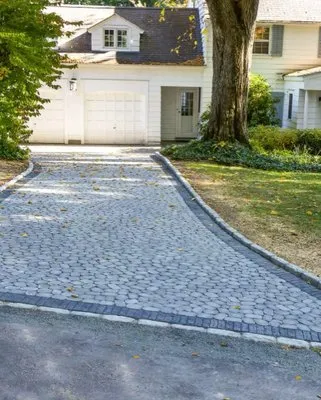
G D Landscaping and Masonry
G D Landscaping and Masonry is a full-service outdoor contractor serving Pleasantville, NY, and the surrounding Westchester communities. We combine expert landscaping with skilled masonry to create an...

Sam Mel Landscaping is your trusted local expert in Pleasantville, NY, specializing in the core landscaping services that keep our community's yards healthy and beautiful. We understand the common cha...
Jose Hernandez Lawn Maintenance is a trusted local lawn service provider dedicated to keeping Pleasantville's yards healthy and well-maintained. Based right in the community, Jose understands the spec...
Zaccagnino Landscaping provides reliable, expert landscaping services for homeowners in Pleasantville, NY, and the surrounding Westchester County. We understand the common challenges local properties ...
Question Answers
We have persistent soggy spots. What's the best long-term drainage solution?
Saturated clay pockets are a frequent issue in Pleasantville's glacial till. The primary solution is installing a French drain system to intercept and redirect subsurface water. For any new patios or walkways, specify permeable installations using bluestone pavers set on a gravel base. This meets Village of Pleasantville Planning Department runoff standards by allowing rainwater to infiltrate locally rather than contributing to high runoff.
With Stage 1 water conservation, how do we keep our Kentucky Bluegrass lawn healthy?
An ET-based, Wi-Fi-connected irrigation system is essential. It automatically adjusts watering schedules using real-time local weather data for evapotranspiration, applying water only when the turf truly needs it. This technology can reduce water use by 20-30% compared to traditional timers, keeping your lawn viable within voluntary conservation limits while preventing overwatering that saturates our clay soils.
We want to reduce weekly mowing and gas blower noise. What are our options?
Transitioning sections of high-maintenance turf to a native plant guild is highly effective. A layered planting of Eastern Redbud, Joe Pye Weed, New England Aster, and Pennsylvania Sedge requires no mowing and minimal seasonal cleanup. This approach significantly reduces the need for gas-powered equipment, keeping you ahead of local noise ordinances and creating a resilient, low-input habitat that supports 2026 biodiversity targets.
Is bluestone or wood decking better for a new patio in our area?
Bluestone pavers offer superior longevity and lower lifecycle maintenance compared to wood, which requires regular sealing and deteriorates. In Pleasantville's Moderate Fire Wise rating zone, non-combustible bluestone also contributes to defensible space around your home. Its natural density and freeze-thaw durability make it a permanent, fire-resistant asset that adds value without the decay or flammability risk of wooden structures.
What permits and licenses are needed to regrade our quarter-acre property?
Regrading that alters water flow or involves significant cut and fill requires a permit from the Village of Pleasantville Planning Department. The contractor performing this work must hold appropriate licensing through the Westchester County Department of Consumer Protection. For a 0.25-acre lot, improper grading can lead to drainage violations on adjacent properties, making licensed, insured professionals and approved plans non-negotiable for compliance.
A storm caused significant debris. How quickly can you respond for an emergency cleanup?
Our standard emergency response window is 20-30 minutes during peak hours for the Village Center. We dispatch a crew from our depot near the Jacob Burns Film Center, taking the Saw Mill River Parkway for direct access. This rapid response is prioritized for safety hazards like downed limbs or blocked drainage paths to prevent property damage.
How should we handle invasive weeds like Japanese Knotweed without using banned fertilizers?
First, confirm identification with your service provider, as misapplication violates local laws. For perennial invasives, mechanical removal and targeted, systemic herbicide applications by a licensed professional are the safest controls. These treatments must be timed outside of New York State's nutrient runoff law blackout dates to protect watersheds. Never use phosphorus-containing products, as they are prohibited for lawn use under state law.
Our yard's soil is tough to work with. Is this common for Pleasantville Village Center?
Yes, this is typical for homes built around 1952, like many here. Your 74-year-old landscape sits on acidic glacial till, a dense, compacted soil from the original construction grading. This material, with a pH of 5.5-6.5, naturally restricts root growth and water percolation. To improve soil structure and health, we recommend annual core aeration and amendments with composted leaf mold to increase organic matter.
