Top Landscaping Services in Pittsford, NY, 14534 | Compare & Call


Cutter's Four Seasons is a family-owned and operated lawn and landscape business proudly serving Pittsford, NY, since 1985. Founded by Clyde, who turned his passion for the outdoors into a lasting leg...
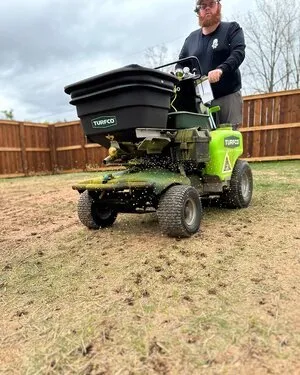
Joe Cutter's Turf & Snow is built on a deep, local understanding of Pittsford's lawns. Owner Joe Cutter brings over 18 years of hands-on experience to every property, starting with his family's landsc...
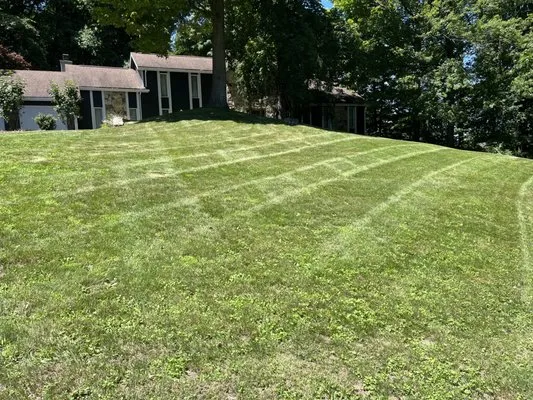
JM Property Care is your trusted local expert for lawn services in Pittsford, NY. We specialize in comprehensive lawn care designed to tackle the common local issues of patchy grass and standing water...

Gleason Lawn & Landscape
Gleason Lawn & Landscape is a Pittsford-based company dedicated to enhancing and maintaining the beauty of local properties. We specialize in professional gardening, custom landscape design, and compr...
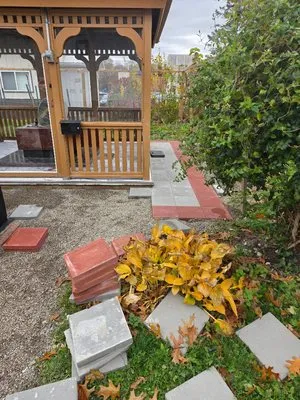
718 Property Care is a trusted local business in Pittsford, NY, dedicated to solving the specific landscaping challenges homeowners face in our community. We understand that issues like dead lawn patc...
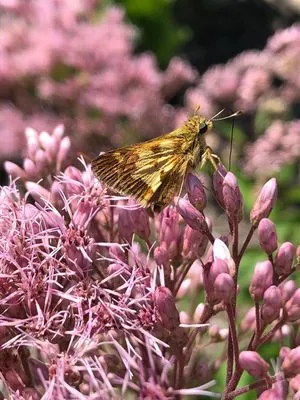
With over 14 years dedicated to landscape design, installation, and maintenance, and 5 years of specialized experience as an arborist, Birdsong Landscape Design brings a deep, practical understanding ...
Timber Top Tree and Landscape is a locally owned and operated company serving Pittsford and the surrounding communities. Specializing in both tree care and comprehensive landscaping, they provide a fu...
Tickner Tree & Landscape is a trusted, local provider serving the Pittsford, NY community. We understand the specific landscaping challenges faced by area homeowners, including the need for prompt sto...
Trevor Wood Lawn & Landscape
Trevor Wood Lawn & Landscape is a trusted, full-service provider in Pittsford, NY, dedicated to creating and maintaining healthy, beautiful outdoor spaces. We specialize in comprehensive landscape des...
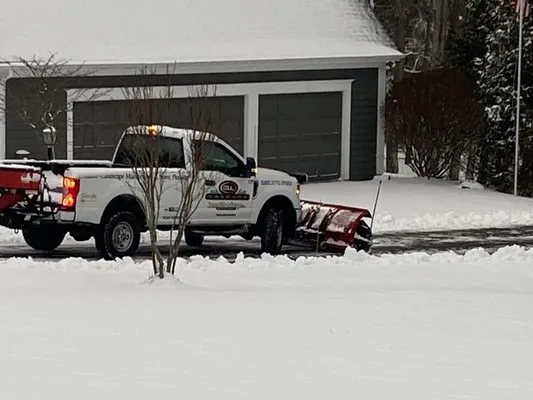
For 17 years, Cassara Lawn and Landscape Management has been the trusted, fully-insured choice for Pittsford homeowners and businesses seeking reliable year-round property care. As an owner-operated c...
Question Answers
My Pittsford Village lawn feels heavy and compacted. Could this be from the age of our homes?
Properties in Pittsford Village, with an average home built in 1938, possess soil with nearly 90 years of maturation. This extended period of settling and foot traffic has densified the native Silty Clay Loam, reducing its permeability and creating a hardpan layer. The primary solution is core aeration, which physically removes plugs of soil to alleviate compaction. Following this, incorporating compost or other organic matter improves soil structure and water infiltration, directly addressing the poor infiltration noted in the area.
What permits and licenses are required for regrading my 0.45-acre lot?
Significant regrading on a 0.45-acre parcel typically requires an erosion and sediment control permit from the Pittsford Building Department to prevent off-site runoff. The contractor performing the work must hold appropriate licensing through the New York State Department of State, Division of Licensing Services. This ensures they are bonded and insured, protecting you from liability. Always verify these credentials before work begins, as improper grading can lead to drainage violations on your and neighboring properties.
I have an urgent HOA compliance issue that needs immediate cleanup. How fast can a crew get to me?
For emergency compliance or storm response, a crew dispatched from the Pittsford Community Library can typically reach locations within the village in 20-30 minutes during peak times. The primary route utilizes I-490 for rapid north-south transit across the town. We coordinate all scheduling to strictly adhere to the local noise ordinance for gas-powered equipment, which restricts operation to 8:00 AM to 8:00 PM, ensuring the response is both swift and compliant.
Are bluestone patios a better long-term investment than wood decks here?
In Pittsford's climate, bluestone or concrete pavers offer superior longevity with minimal maintenance compared to wood, which requires regular sealing and is susceptible to rot. A properly installed paver patio also contributes to a property's defensible space, an important consideration given the low Fire Wise rating at the urban-suburban interface. Unlike wooden structures, masonry hardscapes do not provide fuel for fire and can serve as a strategic firebreak.
How can I keep my Kentucky Bluegrass lawn healthy without wasting water?
The most effective tool is a smart, Wi-Fi ET-based irrigation controller paired with a rain sensor. These systems use real-time evapotranspiration data, adjusting watering schedules automatically to match plant needs and current weather. This technology sustains the turfgrass mix while aligning with voluntary municipal conservation efforts. Properly programmed, it applies water only when and where needed, preventing the overwatering that exacerbates our seasonal high water table.
My yard pools water every spring. What's a long-term fix for this poor drainage?
Seasonal pooling is a direct result of the Silty Clay Loam's poor infiltration and the high water table. A graded French drain system can intercept and redirect subsurface water. For new hardscapes, specify permeable bluestone or concrete pavers set on a gravel base, which increases site permeability. These solutions manage runoff on-site and often meet the Pittsford Building Department's standards for reducing stormwater discharge, making the permitting process more straightforward.
I'm tired of weekly mowing. What are some lower-maintenance, native alternatives?
Transitioning sections of lawn to a native plant community significantly reduces maintenance. Species like Common Milkweed, New England Aster, Wild Bergamot, and Northern Bayberry are adapted to our Zone 6a climate and require no supplemental fertilization or frequent mowing. This shift also supports local biodiversity and prepares your property for evolving noise ordinances, as native beds require minimal care and eliminate the need for gas-powered blowers and trimmers.
What invasive species should I watch for, and how do I treat them safely?
Japanese Knotweed and Garlic Mustard are prevalent invasive threats in our area. Manual removal is effective for small infestations, ensuring the entire root system is extracted. For larger problems, a targeted, systemic herbicide applied by a licensed professional is often necessary. All treatments must comply with the New York State Phosphorus Fertilizer Law, which prohibits phosphorus application on established lawns, and should be timed to avoid impacting desirable native plants during their active growth periods.
