Top Landscaping Services in Philipstown, NY, 10516 | Compare & Call
There are 184 landscaping companies server in Philipstown NY
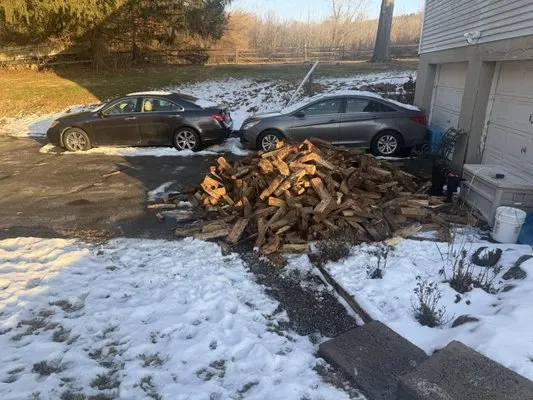
Mike Blue Wheels is a full-service landscaping and property maintenance company serving Mahopac, NY, and surrounding areas. With a comprehensive range of services, they specialize in addressing common...
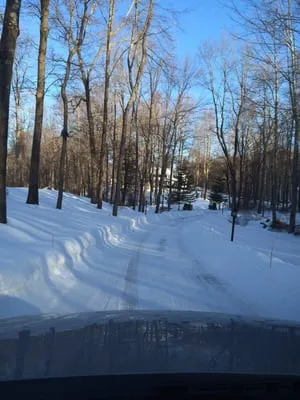
Salem Tree & Landscape Service is a trusted local landscaping company serving South Salem, NY, and surrounding communities. We specialize in comprehensive tree care and landscape maintenance to enhanc...
HR Landscaping has been serving Brewster, NY, and the surrounding Putnam County area for over 14 years. We specialize in creating and maintaining beautiful, functional outdoor spaces tailored to our l...
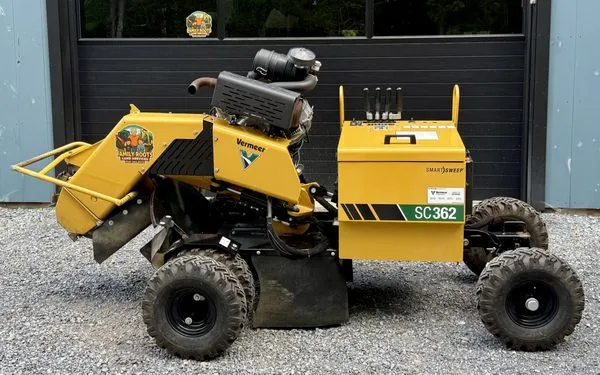
Family Roots Land Services is a family-owned business in Lagrange, NY, dedicated to providing reliable and transparent landscaping, firewood, and damage restoration services. We specialize in addressi...
RJ Mills
RJ Mills is a full-service landscaping and design firm serving Carmel Hamlet, NY, specializing in comprehensive outdoor solutions from initial design to ongoing maintenance. With expertise in hardscap...
Waltz Landscaping is a dedicated Brewster, NY, landscaping company serving Putnam County homeowners. We understand the local challenges, including persistent lawn fungus diseases and stubborn weed inf...
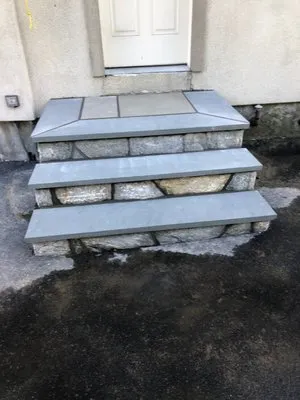
Luis A Martinez Landscaping is a trusted local landscaping company serving Mahopac, NY, and surrounding Putnam County communities. With years of hands-on experience in the region's specific soil and c...
Davidson Landscaping
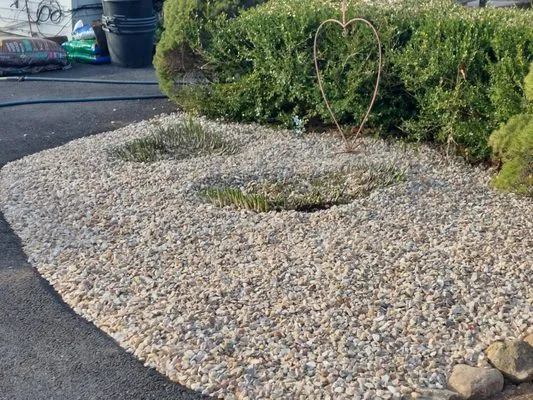
Davidson Landscaping is a licensed and insured landscaping company based in Patterson, NY, serving Putnam, Dutchess, and Westchester Counties. Owner Jesse combines his expertise in botany and soil sci...
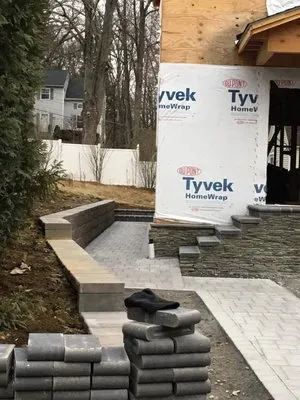
J. Escalera Landscaping, Inc. is a trusted local landscaping company serving Patterson, NY, and the surrounding areas. We specialize in comprehensive outdoor services designed to keep your property lo...
Mauricio Vizcaino Landscape Contracting is a trusted local landscaping business serving Jefferson Valley, NY. We specialize in addressing common homeowner challenges like soil compaction and irrigatio...
Estimated Landscaping Service Costs in Philipstown, NY
Common Questions
What invasive species should I watch for, and how do I control them safely?
In Philipstown, key invasive alerts include Japanese Knotweed, Mugwort, and Garlic Mustard. Manual removal for young plants and targeted, systemic herbicide application for mature stands are effective. Any control plan must strictly adhere to NY State's Dishwater Detergent and Nutrient Runoff Law, which prohibits phosphorus-containing fertilizers and has specific blackout dates for application to prevent nutrient runoff into our watershed. Always use a licensed applicator.
A major storm brought down a tree limb. How fast can a crew get here for an emergency cleanup?
For urgent storm response, our dispatch from near the Butterfield Library prioritizes routing via NY-9D to your location. During peak conditions, our target arrival window is 45-60 minutes. We maintain an electric-powered fleet for post-storm work that complies with local noise ordinances, allowing us to operate effectively during critical cleanup periods without time-of-day restrictions.
How can I keep my Kentucky Bluegrass lawn healthy during voluntary water conservation?
Under Stage 1 voluntary conservation, efficient water use is key. Smart Wi-Fi soil moisture sensor controllers are the standard solution. They bypass scheduled watering by irrigating only when root-zone moisture drops below a preset threshold, applying water based on actual evapotranspiration (ET) rates. This technology can reduce irrigation volume by 30-50% while preserving turf health by preventing both drought stress and wasteful overwatering.
Why does my lawn have such poor drainage and compacted soil?
Your property, like many in Cold Spring Village built around 1961, has 65-year-old soil. Decades of mowing and foot traffic have degraded the natural structure of our acidic fine sandy loam, collapsing pore spaces and creating a dense layer that impedes percolation. This age-related compaction is why core aeration and adding organic compost are not just beneficial but necessary interventions to restore soil health and function.
My yard has persistent soggy areas after rain. What's the best long-term fix?
Saturated clay pockets are a common feature of our soil profile, leading to high runoff. The solution integrates subsurface drainage with surface management. Installing a French drain system tied to a dry well addresses subsurface flow, while regrading to direct surface water away from foundations is crucial. Using permeable local bluestone for patios or walkways also reduces impervious surface area, helping your project meet Philipstown Planning Board runoff management standards.
What permits and credentials should I verify before hiring for major landscaping work?
For any significant grading, drainage, or retaining wall project on a 0.55-acre lot, you must verify two key items. First, the contractor must hold appropriate licensing through the NY State Department of State. Second, the Philipstown Planning Board often requires a permit for work that alters drainage patterns or involves substantial earth movement. Hiring an unlicensed individual for such work can void your insurance and result in code violations and costly remediation orders.
Is there a lower-maintenance, eco-friendly alternative to my traditional lawn?
Yes, transitioning sections of high-input turf to a climate-adaptive xeriscape with native plants is highly recommended. A matrix of Switchgrass for structure, interplanted with Wild Bergamot and Joe-Pye Weed, creates a resilient, biodiverse landscape that requires no fertilization, minimal watering once established, and infrequent cutting. This approach significantly reduces the need for gas-powered mowing and blowing, aligning with evolving noise ordinances and supporting local pollinators.
Is bluestone or a composite deck better for a new patio?
For longevity and low maintenance in our zone, local bluestone and fieldstone are superior. Unlike wood or composites that degrade and require sealing, stone is permanent, non-combustible, and develops a natural patina. In a Moderate Wildland-Urban Interface fire risk area, using stone for patios and pathways also contributes to defensible space by creating a fire-resistant zone around your home, a critical safety consideration.
