Top Landscaping Services in Parishville, NY, 13625 | Compare & Call

There are 16 landscaping companies server in Parishville NY

TnT Property Services is a professional and insured property maintenance company dedicated to keeping the North Country looking its best. Based in Carthage, NY, we serve residential and commercial cli...
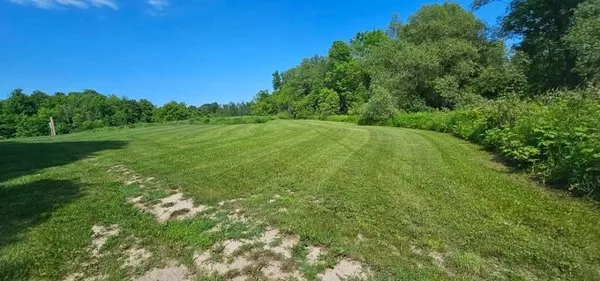
A&C Property Services is your trusted, full-service property maintenance partner in Adams, NY. We specialize in lawn care, home cleaning, and junk removal to keep your property looking its best. Our c...
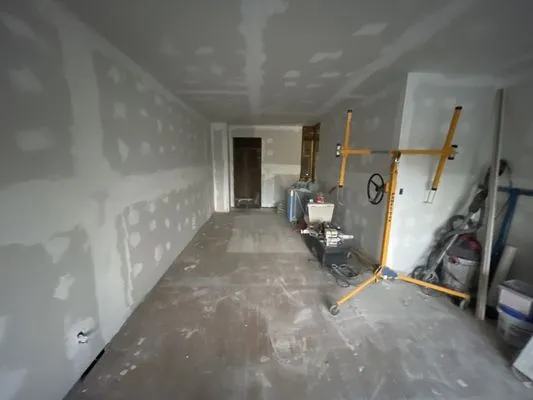
Hance Property Services is a locally owned and operated company serving homeowners and businesses in Jefferson, Lewis, and St. Lawrence counties. As a fully licensed and insured provider, we offer a c...
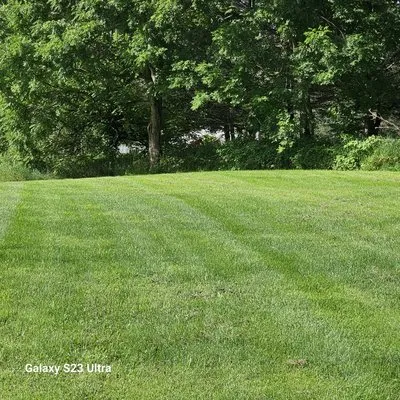
A&B Lawn Mowing is your trusted local lawn care provider in Antwerp, NY, specializing in comprehensive lawn services to keep your yard healthy and vibrant. We understand that many homeowners in our ar...
Lawn Barbers in Gouverneur, NY, is a dedicated lawn service provider helping local homeowners tackle common landscaping challenges like soil compaction and dead lawn areas. With expertise in addressin...
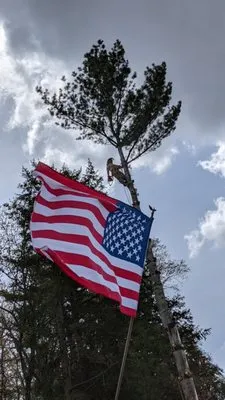
Woodchuckers Tree Removal
Woodchuckers Tree Removal is a trusted, full-service tree and lawn care company serving Hammond, NY, and the surrounding area. We specialize in comprehensive tree services including removal, pruning, ...
NNY Lawn & Landscape is a Canton-based provider of comprehensive outdoor solutions, specializing in tree services, lawn care, and pressure washing. We understand the unique challenges local homeowners...

Empire State Lawn & Maintenance
Empire State Lawn & Maintenance LLC is a locally owned and operated lawn care and property maintenance business proudly serving North Bangor, NY, and the surrounding North Country community. We specia...
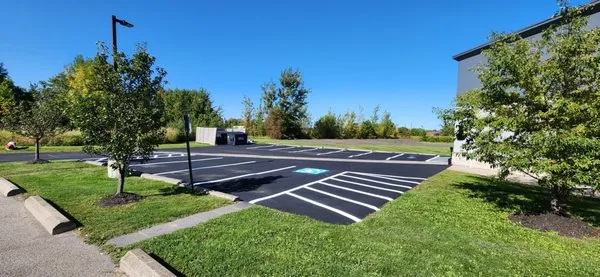
Seaway Valley Enterprises
Seaway Valley Enterprises is a family-owned and operated business in Dickinson Center, dedicated to serving the community with integrity and a strong work ethic. Our success is built on a foundation o...
Turf Tech is Potsdam's trusted local lawn care provider, specializing in solutions for the North Country's unique challenges. We understand that weed infestation and storm debris cleanup are persisten...
Estimated Landscaping Service Costs in Parishville, NY
Common Questions
Our lawn seems thin and compacted, even with regular care. Could the age of our home be a factor?
Properties built around 1963 have approximately 63 years of soil maturity. In Parishville Center, the native acidic Spodosol is naturally low in organic matter and prone to compaction. Decades of foot traffic and basic maintenance have likely depleted soil structure, reducing pore space for root growth and water infiltration. Core aeration combined with top-dressing compost is essential to rebuild soil biology and improve permeability for healthier turf.
We have a manual sprinkler system. How can we water our Kentucky Bluegrass lawn effectively without wasting water?
Parishville's abundant seasonal rainfall reduces irrigation demand. For a Kentucky Bluegrass and Fine Fescue mix, deep, infrequent watering is key. Manual hose-end systems or basic timers should be set to apply 1 inch of water per week, factoring in natural precipitation. Watering should occur in the early morning to minimize evaporation. This practice encourages deep root growth and maintains turf health within sustainable water use parameters.
We want to reduce mowing and gas equipment noise. Are there good native alternatives to a traditional grass lawn?
Transitioning high-maintenance turf to a native plant community is a forward-looking strategy. Species like Serviceberry, New England Aster, Joe Pye Weed, and Wild Bergamot are adapted to Zone 4b and acidic soils. They require no mowing, minimal water once established, and support local pollinators. This approach builds resilience and aligns with evolving municipal noise ordinances focused on reducing gas-powered equipment usage.
We're adding a patio and are deciding between wood decking and stone. Which is better for our wooded lot?
In Parishville's rural, forested environment with a Low Fire Wise rating, non-combustible materials are recommended within the required 30-foot defensible space. Crushed Bluestone and Granite Pavers offer superior longevity and fire resistance compared to wood. Their mineral composition withstands freeze-thaw cycles common in Zone 4b and requires no chemical treatments, aligning with both durability goals and wildfire mitigation guidelines.
Our yard holds water in spring, and we get frost heaves on the walkway. What's the underlying cause and solution?
The high seasonal water table combined with acidic Spodosol's slow percolation creates chronic surface saturation and frost heave risk. Improving subsurface drainage is critical. For hardscapes, specifying permeable installations of crushed Bluestone or Granite Pavers allows water to infiltrate, reducing runoff and heaving. These solutions must meet St. Lawrence County Code Enforcement standards for stormwater management on residential lots.
We've spotted what looks like Japanese Knotweed. How do we handle invasive species here with the fertilizer laws?
Japanese Knotweed is a high-priority invasive in this region. Treatment requires careful, targeted application of appropriate herbicides by a licensed professional. All treatments must comply with the NYS Nutrient Runoff Law, which mandates phosphorus-free products and prohibits applications near water bodies or during specific blackout periods to protect watersheds. Physical removal is often insufficient and can spread the plant.
We're planning significant regrading and a new retaining wall. What permits and contractor qualifications are needed?
Altering drainage patterns on a 1.2-acre lot typically requires a grading permit from St. Lawrence County Code Enforcement. Any contractor performing this work must hold appropriate licensing through the New York State Department of State, Division of Licensing Services. This ensures they carry required insurance and understand state codes for erosion control and structural integrity, which are critical for preventing downstream impacts and property damage.
A major storm has downed trees and limbs across our driveway. What's the fastest response for emergency cleanup?
For emergency storm response, crews dispatch from the Parishville Town Hall area. The primary route utilizes NY-72, though peak conditions can extend travel to the 45-60 minute window. The priority is clearing access lanes and mitigating immediate safety hazards. All equipment is staged for rapid deployment, with communication protocols in place to navigate post-storm road conditions efficiently.
