Top Landscaping Services in Ontario, NY, 14519 | Compare & Call

Don & Jon Lawn and Tree Service
With over 26 years of dedicated service to the Greater Rochester and Ontario, NY communities, Don & Jon Lawn and Tree Service is a trusted, licensed, and insured provider. We combine deep local knowle...

Steve's Cutting Edge Lawn Care
Steve's Cutting Edge Lawn Care is your trusted local expert in Ontario, NY, dedicated to keeping your property looking its best year-round. We understand the unique challenges homeowners face in our r...
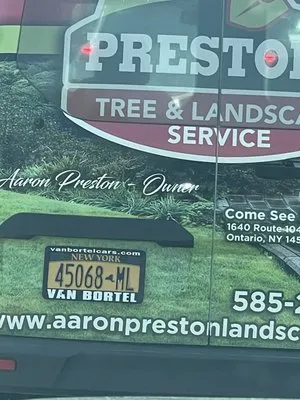
Preston’s Tree & Landscape Service
Preston's Tree & Landscape Service is a family-owned and operated business serving Ontario, NY, and surrounding counties for over 30 years. We specialize in comprehensive tree services, including safe...

S and S Mowing & Plowing is a trusted lawn care provider serving Ontario, NY, and the surrounding communities. We specialize in comprehensive lawn maintenance to keep your property looking its best ye...
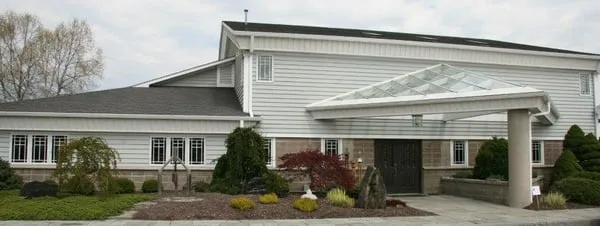
Shadow Hill Landscape has been transforming outdoor spaces in Ontario, NY, and the greater Rochester area since 1981. As a full-service landscape design and build company, we specialize in creating fu...
Gil Funes Landscaping Service is a full-service landscaping contractor in Ontario, NY, dedicated to building and maintaining beautiful, functional outdoor spaces. We handle everything from initial des...
AP Enterprises is a trusted local business in Ontario, NY, specializing in snow removal, landscaping, and masonry/concrete services. For years, we've helped homeowners and businesses maintain their pr...
Ashby’s Enterprises
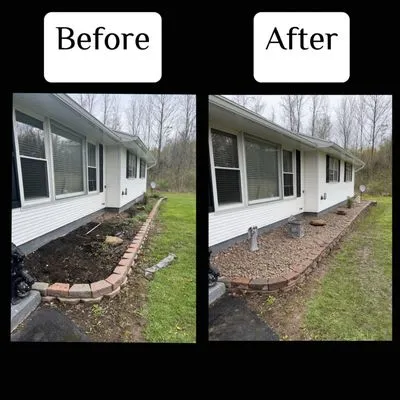
Ashby's Enterprises is a trusted, full-service property solutions company based right in Ontario, NY. We provide comprehensive landscaping, excavation, and demolition services for homeowners throughou...
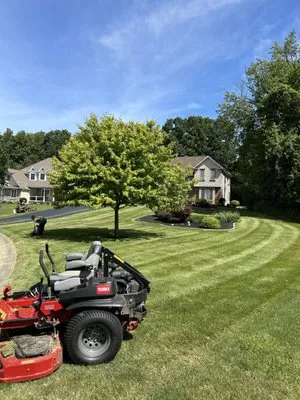
CJC Enterprises is a locally owned and operated landscaping and hardscaping business serving Ontario, NY, and the surrounding Monroe and Wayne counties. What began as a small weekend venture has grown...
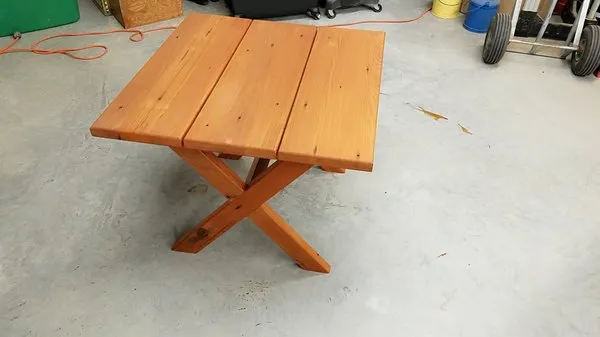
Savine Studio's in Ontario, NY is a locally owned and operated business specializing in furniture repair, landscaping, and painting services. Founded in 2013 by owner Chris, the company brings a perso...
Frequently Asked Questions
Are concrete pavers a better long-term choice than wood for a new patio?
For longevity and minimal maintenance, inorganic materials like concrete pavers or crushed limestone are superior. They do not rot, warp, or attract pests like wood, and their lifespan is measured in decades. In a low Fire Wise rating area like ours, these materials also provide non-combustible defensible space immediately around the home, a prudent design consideration even in non-WUI zones for overall property resilience.
Why does our soil seem so dense and compacted, and what can we do about it?
Ontario Village homes, typically built around 1967, sit on soil that has been settling and compacting for nearly 60 years. The prevalent slightly acidic silty loam is prone to low permeability, especially when combined with the glacial till beneath. This aging profile often lacks organic matter and beneficial soil life. Core aeration in early fall, followed by top-dressing with compost, is the most effective method to reintroduce porosity and biological activity for long-term health.
Is a smart irrigation system worth it here, since we don't have water restrictions?
Absolutely. While Ontario is water-abundant, efficient use remains a cornerstone of responsible property management. Smart Wi-Fi soil moisture sensors apply water based on actual evapotranspiration (ET) and root zone need, not a fixed schedule. This precision prevents overwatering your Kentucky Bluegrass mix, which can exacerbate soil saturation and disease, while still keeping your turf resilient during dry spells within the municipal supply framework.
What kind of permits or licenses are needed to regrade and landscape my half-acre lot?
Significant earth moving or grading on a 0.45-acre property typically requires a permit from the Town of Ontario Planning & Building Department to ensure compliance with drainage and zoning codes. Furthermore, any contractor performing this work must hold the appropriate Home Improvement license from the NYS Department of State, Division of Licensing Services. This licensing is your assurance of financial accountability and adherence to state contract law, separating legitimate operators from uninsured landscapers.
What invasive species should I watch for, and how do I remove them safely?
Common invasive alerts in Zone 6a include Japanese Knotweed, Garlic Mustard, and Tree-of-Heaven. Manual removal for young plants is effective, but established perennials often require a targeted, systemic herbicide applied at specific growth stages. Any treatment must carefully follow the NYS Nutrient Runoff Law, which prohibits phosphorus on established turf and mandates application blackout dates to protect watersheds, requiring a licensed professional for correct execution.
My yard is a soggy mess every spring. What's a permanent solution?
This is a classic symptom of the high seasonal saturation in our glacial till soils. Effective solutions address permeability at the source. For patios or walkways, specifying permeable concrete pavers or an open-graded crushed limestone base can significantly increase infiltration, often meeting Town of Ontario runoff standards. For lawns, a subsurface French drain system tied to a dry well is typically required to move water away from foundations and create a usable landscape.
How quickly can you respond to an emergency like a storm-downed tree blocking a driveway?
Our standard protocol for emergency cleanups prioritizes safety and access. Dispatched from our central yard near Ontario Town Park, our electric fleet uses NY-104 for the most direct route, aiming for a 20-30 minute arrival during peak hours. This rapid response is designed for HOA compliance and hazard mitigation, with all crews equipped for immediate debris processing and site security.
I'm tired of constant mowing and blowing. Are there lower-maintenance options?
Transitioning high-input turf areas to a climate-adaptive xeriscape is a forward-thinking strategy. Using deep-rooted natives like Wild Bergamot, New England Aster, and Joe-Pye Weed creates a resilient, biodiverse landscape that requires no mowing, minimal watering once established, and supports local pollinators. This approach also future-proofs your property against potential gas-powered equipment restrictions, aligning with evolving noise and emissions ordinances.
