Top Landscaping Services in North Tonawanda, NY, 14120 | Compare & Call
There are 181 landscaping companies server in North Tonawanda NY
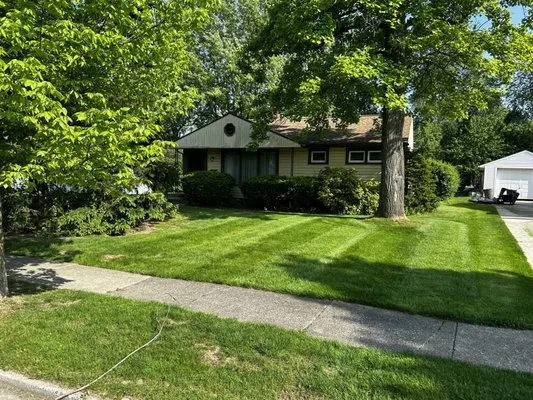
JC Landscaping is a dedicated, locally-owned landscaping company serving the Snyder area and greater Buffalo, NY. Founded by Jacob Liebzeit, we focus on building lasting relationships with our neighbo...
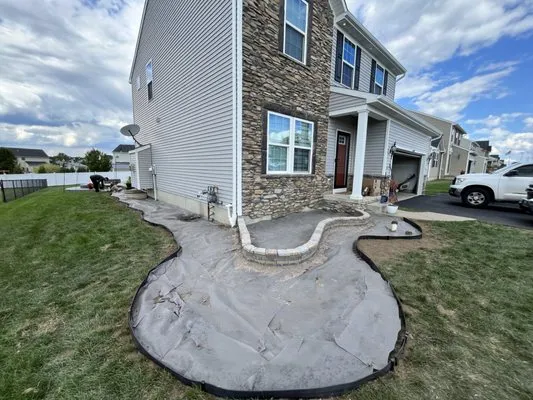
Craig's Cutting Edge is a locally owned and operated landscaping company serving West Seneca and the surrounding areas. Founded by Craig, who started with a single SUV and hand tools, the business has...
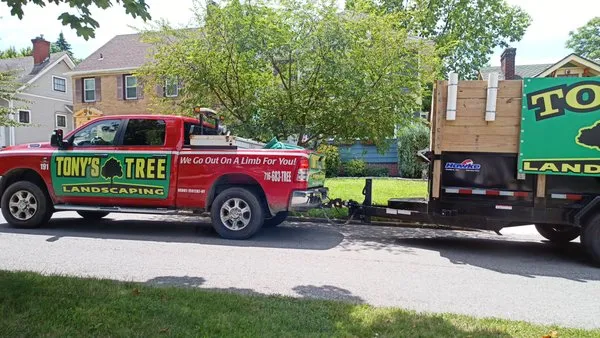
Tony's Tree and Landscaping
Tony’s Tree and Landscaping is a family-owned Cheektowaga business with three generations of expertise in Western New York's climate and soil. We provide dependable tree care and landscaping, from rou...
Keystone Contracting & Landscaping
Keystone Contracting & Landscaping is a locally owned and operated business serving Western New York from its base in Lockport. We specialize in hardscaping, landscaping, and landscape design, focusin...
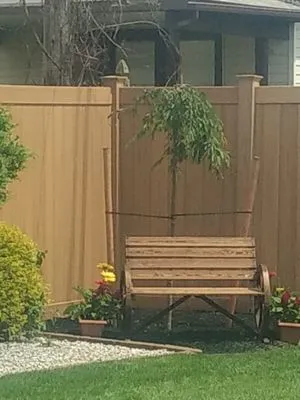
Red Rose Landscaping LLC is the premier choice for property maintenance in the Ken-Ton area and surrounding communities. As a licensed landscaping service and certified pesticide applicator, we specia...
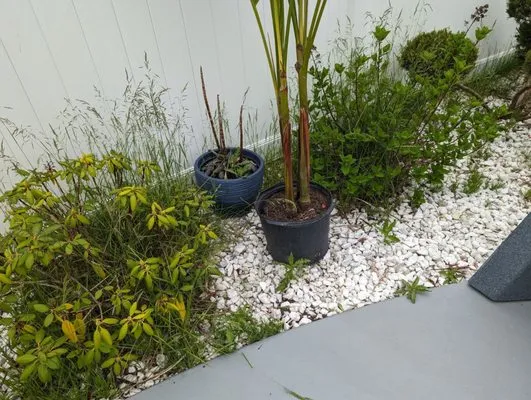
KD Landscaping and Snow Plowing is a Buffalo-based company specializing in comprehensive landscaping and snow removal services. Serving the local community, we handle everything from lawn maintenance ...
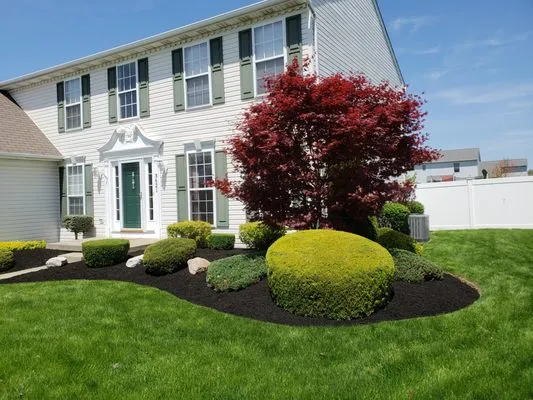
Infinity Landscaping & Snowplowing is a trusted, local provider serving homeowners and businesses in Tonawanda, NY, and the surrounding areas. We understand the common landscaping challenges in our co...
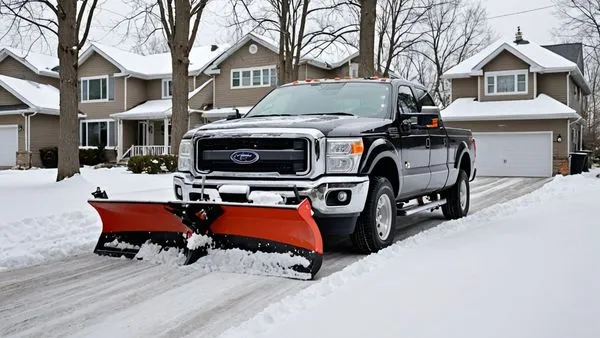
Steps of Faith Landscaping in Amherst, NY, was founded over a decade ago from a moment of personal discovery and hands-on training. Starting with a single truck and basic equipment, the owner's commit...

Five Star Roofing Consultants & Services
Five Star Roofing Consultants & Services is a locally owned and operated contractor serving homeowners throughout Buffalo, NY, and its surrounding suburbs. As a GAF Master Elite Certified Contractor, ...
For over 40 years, Draves Tree Service has been a trusted, family-owned name in Darien Center, NY, serving Genesee and Erie Counties. Founded by my father, the business has grown from a small operatio...
Estimated Landscaping Service Costs in North Tonawanda, NY
Q&A
Should I use wood or stone for a new patio that will last?
For longevity and reduced maintenance, concrete pavers or crushed limestone are superior to wood. In our climate, wood requires constant sealing and will decay. Concrete pavers offer a stable, permanent surface with excellent permeability options. Given our low Fire Wise rating, non-combustible materials also contribute to defensible space. A properly installed paver patio with a polymeric sand joint can last decades without significant upkeep.
I see a vine taking over my shrubs. How do I handle invasives without harming my lawn?
This is likely an invasive like Oriental Bittersweet or Porcelainberry. Manual removal is the first step, ensuring all root fragments are extracted. For chemical control, a targeted, systemic herbicide applied in late summer is most effective. Crucially, any application must strictly avoid established turf areas to comply with New York State's Phosphorus Runoff Control Act, which prohibits phosphorus-containing fertilizers and certain herbicides on lawns.
My yard stays soggy for days after rain. What's a long-term solution?
A high water table and poor infiltration in silt loam create chronic surface water. While French drains are a common fix, integrating permeable hardscapes is a superior strategy. Using open-graded crushed limestone for paths or permeable concrete pavers for patios allows stormwater to infiltrate on-site, meeting North Tonawanda's runoff management goals. This reduces the hydraulic load on your property's drainage system.
Do I need a permit to regrade my backyard for better drainage?
Yes. Any significant regrading that alters surface water flow or involves moving more than a few cubic yards of soil typically requires a permit from the North Tonawanda Department of Community Development. For a 0.15-acre lot, this work must be performed by a contractor licensed through the NYS Department of State Division of Licensing Services. They ensure the work complies with local codes, protects adjacent properties, and integrates properly with the city's stormwater infrastructure.
A storm just downed a large limb. How fast can you respond for an emergency cleanup?
Our electric fleet is dispatched immediately for storm events. From our staging near Gratwick Waterfront Park, we take I-290 directly into the Gratwick neighborhood, maintaining a reliable 20-30 minute response window even during peak traffic. We coordinate with local utilities to ensure safe access and can process debris on-site to expedite restoration and meet HOA or city compliance deadlines.
We have abundant water, but my lawn still gets brown spots. How should I set my irrigation?
Even without municipal restrictions, overwatering our silt loam soils exacerbates compaction and fungal issues. Smart Wi-Fi soil moisture sensors are critical; they prevent irrigation cycles when the soil is already saturated, which is common given our high seasonal water table. This ET-based approach applies water only when the Kentucky Bluegrass blend truly needs it, promoting deeper roots and conserving thousands of gallons annually.
My lawn in Gratwick seems compacted and thin. Did the original construction affect the soil?
Properties built in the 1950s, like many in Gratwick, have soils that have settled for over 70 years. The prevalent silt loam compacts easily under foot traffic, reducing pore space for air, water, and root growth. This leads to poor percolation and a shallow root zone for your Kentucky Bluegrass. Annual core aeration and top-dressing with compost are essential to rebuild soil structure and counteract this decades-long compaction.
I'm tired of weekly mowing. Are there lower-maintenance, native options?
Transitioning turf areas to a native plant community significantly reduces maintenance. Species like Common Milkweed, Wild Bergamot, and New England Aster are adapted to our Zone 6a climate and silt loam, requiring no fertilization or weekly mowing. This shift preempts tightening noise ordinances by eliminating gas-powered equipment use and creates a high-value habitat that supports local biodiversity far beyond a traditional lawn.
