Top Landscaping Services in North East, NY, 12501 | Compare & Call
There are 146 landscaping companies server in North East NY
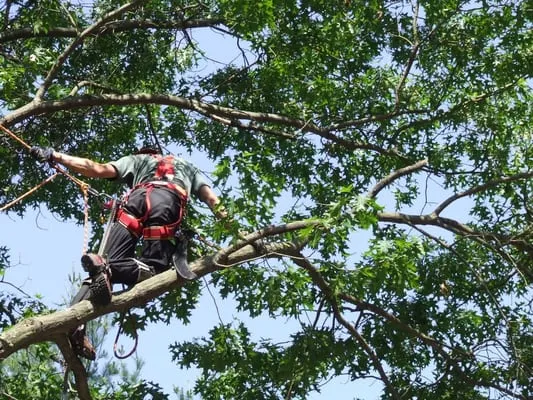
Armin's Tree Service is a locally owned and operated Kingston business, bringing over 15 years of tree care experience directly from the Ulster County area. As an ISA Certified Arborist and CTSP Certi...
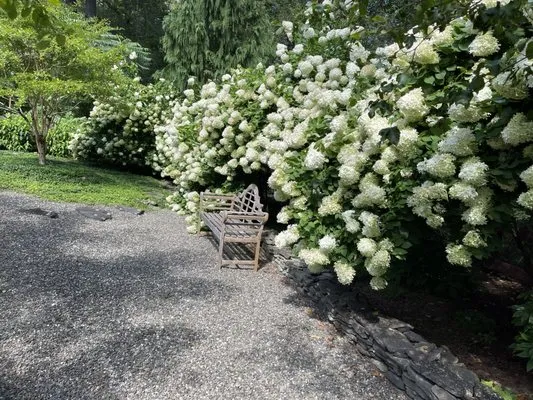
Gios Property Maintenance is a family-owned landscaping and construction business serving Red Hook, NY, and the Hudson Valley. Founded in 2020 by Lazaro Celaya, who brings over 20 years of industry ex...

Tarzan Treescaping is a family-run, Newburgh-based tree service and landscaping company serving the Hudson Valley for over a decade. Co-owners Anna and Pano bring their international perspectives and ...

JC Cleaners in Saugerties, NY, is a year-round home services business dedicated to simplifying household maintenance for local residents. Instead of juggling multiple contractors, you can rely on one ...
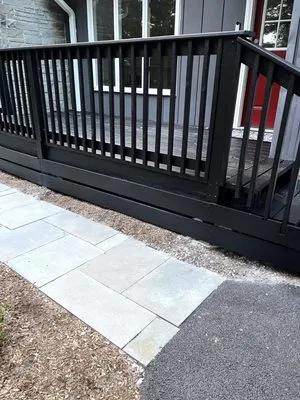
Rodriguez Lawn Care is a Saugerties landscaping company built on a foundation of hard work and dedication. Founded by an owner who grew up on a farm in Oaxaca, Mexico, our approach combines traditiona...
Brighter Views Landscape is your local Pine Plains partner for creating and maintaining beautiful, healthy outdoor spaces. We understand the specific challenges homeowners in our area face, from post-...
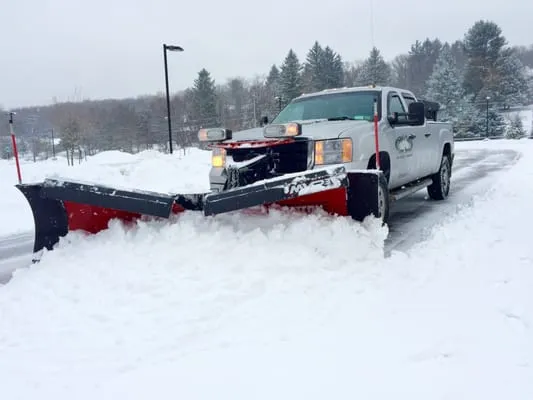
Coupe's Cuts Lawn Service is a full-service lawn care provider based in Carmel, NY, serving Putnam and lower Dutchess counties since 1998. We specialize in comprehensive lawn maintenance, landscaping,...
PB Landscape and Design is a trusted landscaping company serving Gardiner, NY, and the surrounding Hudson Valley. We specialize in comprehensive landscape solutions, including landscape maintenance, t...
Wright Ones Lawn & Landscaping is your trusted local lawn care provider in Millbrook, NY, specializing in comprehensive lawn services to keep your property looking its best year-round. We understand t...
Mowtivated Lawn & Landscape is a local, Veteran-owned lawn and tree service company serving Dover Plains, NY, and the surrounding communities. We provide professional, reliable care for your property,...
Estimated Landscaping Service Costs in North East, NY
Common Questions
How quickly can you respond to storm damage that violates HOA landscape standards?
Emergency cleanup crews dispatch from the Dutchess County Fairgrounds area via NY-22, arriving at North East Village Center properties within 45-60 minutes during peak response scenarios. Our electric maintenance fleet operates within general nuisance decibel limits during quiet hours while providing immediate debris removal. We prioritize safety hazards like downed limbs over aesthetic concerns, documenting conditions for insurance and compliance reporting.
Why does my North East lawn have such poor drainage and thin grass compared to newer developments?
North East Village Center properties built around 1968 have 58-year-old soil profiles that have become compacted over decades. The acidic loam (pH 6.2-6.5) common in this neighborhood loses permeability as organic matter decomposes without replacement. Core aeration every 2-3 years introduces oxygen channels, while adding composted leaf mold adjusts pH toward neutral and rebuilds soil structure. This addresses the root cause rather than temporary surface treatments.
Can I maintain Kentucky Bluegrass and Fine Fescue during voluntary water conservation periods?
Smart soil-moisture sensor controllers optimize irrigation by measuring actual root zone conditions rather than following fixed schedules. These systems reduce water use 30-40% while preserving turf health by applying water only when ET rates exceed soil moisture capacity. During Stage 0 voluntary conservation, deep, infrequent watering at dawn maintains grass resilience without exceeding municipal guidelines. Properly calibrated sensors prevent both drought stress and wasteful runoff.
What alternatives reduce maintenance while preparing for stricter noise ordinances?
Replacing high-maintenance turf with native plantings like Eastern Redbud, Joe-Pye Weed, and Switchgrass creates resilient landscapes that thrive without gas-powered equipment. These species require no weekly mowing, minimal irrigation once established, and support local pollinators. Transitioning to electric maintenance fleets now positions properties ahead of evolving decibel limits while reducing carbon emissions. Native plant communities also sequester more carbon in soil than traditional lawns.
How do I control invasive species without violating fertilizer regulations?
Japanese knotweed and garlic mustard pose significant threats in USDA Zone 5b, requiring targeted treatment during active growth phases. Mechanical removal before seed set, followed by solarization with clear plastic, eliminates many invasives without chemicals. For persistent problems, spot-applied glyphosate in fall avoids NY Nutrient Runoff Law restrictions on phosphorus applications. Always document treatments and consider mycorrhizae inoculants to help native species outcompete invaders naturally.
Why choose bluestone over wood for patios in our climate?
Bluestone pavers offer 50+ year durability in Zone 5b freeze-thaw cycles, compared to wood's 10-15 year lifespan with constant maintenance. The material's thermal mass moderates temperature extremes while providing non-combustible defensible space that meets low fire-wise ratings. Properly installed with adequate base preparation, bluestone maintains permeability for drainage and requires only occasional cleaning rather than annual sealing or replacement of rotting components.
What solutions work for seasonal saturated soils on my 1.2-acre property?
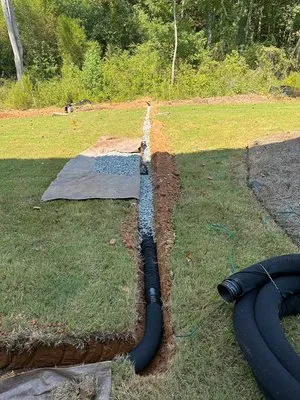
The high water table in North East's acidic loam requires integrated drainage strategies. French drains with clean stone aggregate redirect subsurface water, while rain gardens with Swamp Milkweed and Switchgrass create bio-infiltration zones. Bluestone pavers installed with permeable jointing materials meet Town of North East Planning Board runoff standards by allowing 80-90% of rainfall to percolate naturally. These approaches address saturation at multiple levels rather than simply moving water elsewhere.
What permits and licenses are needed for regrading my 1.2-acre lot?
Grading projects exceeding 100 cubic yards of earth movement require Town of North East Planning Board approval with engineered drainage plans. Contractors must hold New York State Department of State licensing for landscape architecture or excavation work, with specific endorsements for erosion control. On properties this size, improper grading can create downstream runoff violations, so certified professionals must document soil compaction testing and final elevations. Unlicensed work risks significant fines and mandatory restoration orders.
