Top Landscaping Services in Newburgh, NY, 12550 | Compare & Call
There are 205 landscaping companies server in Newburgh NY
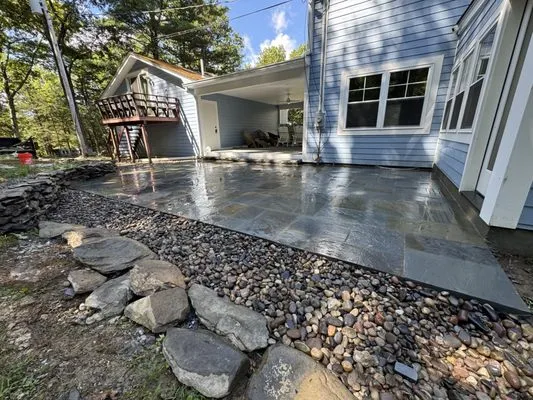
Cruger Contracting LLC is a locally-owned and operated landscaping, masonry, and excavation contractor based in Poughkeepsie, serving Dutchess County and the Hudson Valley. Founded by James Cruger, wh...
Segnit Landworks is a locally owned and operated landscaping and property maintenance company serving Hopewell Junction, NY, and the surrounding area. We are dedicated to reliable, year-round care for...
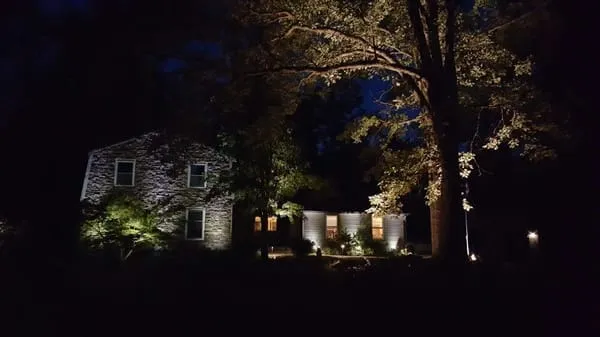
Green Acres is a locally owned and operated landscaping and tree care company serving the Hudson Valley since 2001. Founded by Frankie, his brother Jason, and longtime friend David, our business is bu...
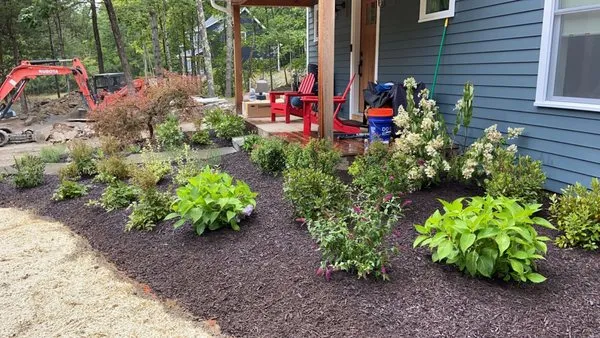
Four Seasons Landscaping RL is a Poughkeepsie-based company serving Dutchess County and surrounding areas with comprehensive landscaping, hardscaping, and cleaning services. Our experienced team speci...

Santini's Landscape is a trusted, locally-owned outdoor services company founded by Steve Santini right here in Ulster County. Starting with a single lawnmower after high school in 2004, Steve has gro...
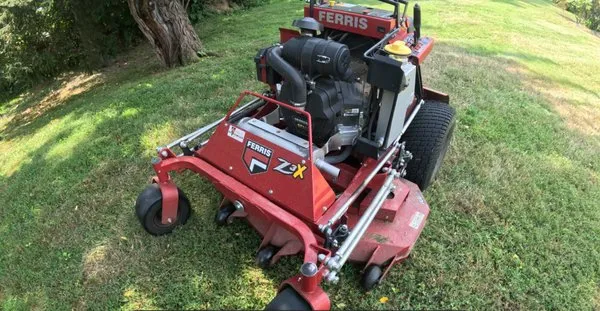
Marino's Landscaping is a family-owned and operated business serving Hopewell Junction, NY, with expert lawn and tree care. We specialize in lawn maintenance, shrub trimming, mulching, fertilization, ...
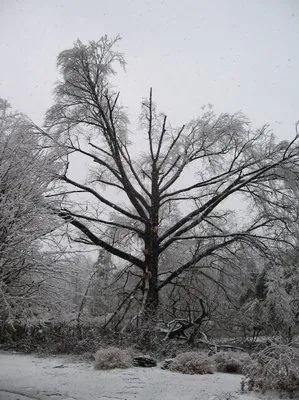
Hill Treekeepers is a fully licensed and insured tree service company serving the Hudson Valley from its home base in Newburgh, NY. With over a decade of local experience, our team of certified arbori...
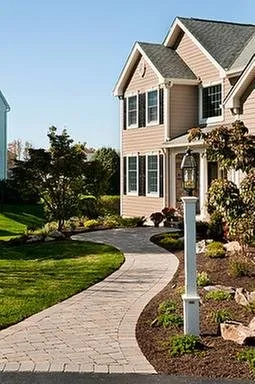
Quality Lawns & Landscaping
Quality Lawns & Landscaping is a trusted, locally-owned service provider for Newburgh and the greater Hudson Valley, including Orange, Dutchess, and Ulster Counties. With expertise that spans the seas...
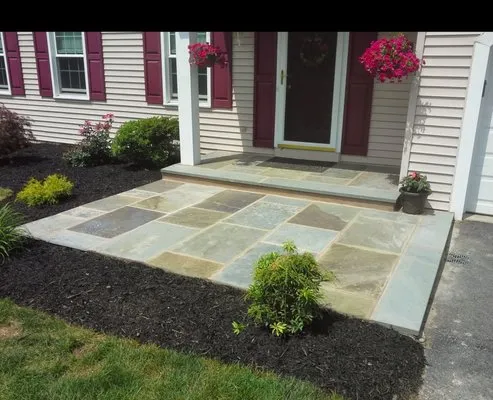
ER Baisley Tree and Landscape
ER Baisley Tree and Landscape has been a trusted partner for Hudson Valley homeowners for over three decades. As a licensed landscaping service based in Wappingers Falls, our deep local knowledge allo...
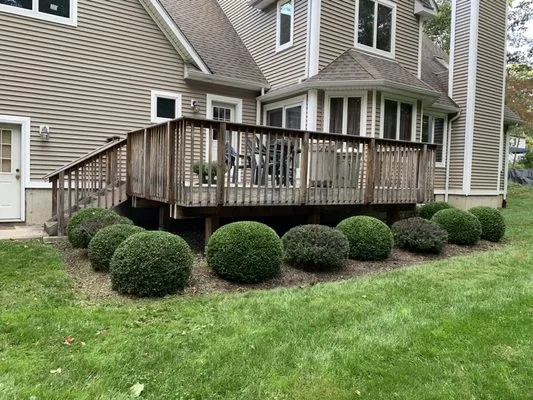
Jh Lawncare provides expert lawn services to residents of Fishkill, NY, addressing common local landscaping challenges like dead patches and persistent weed infestations. As a dedicated local provider...
Estimated Landscaping Service Costs in Newburgh, NY
Common Questions
Why does my Newburgh Historic District lawn struggle with compaction and poor drainage?
Newburgh's Historic District properties average 88 years of soil development since 1938 construction, creating acidic silt loam with pH 5.5-6.5 that has become heavily compacted. Decades of foot traffic and traditional maintenance have reduced soil permeability to critical levels. Core aeration with organic amendments like composted leaf mold addresses both compaction and acidity simultaneously. This treatment improves water infiltration while providing the microbial activity needed for healthy root systems in established landscapes.
How do I control invasive species without violating fertilizer regulations?
Japanese knotweed and garlic mustard present the highest invasive risks in Newburgh's acidic soils, requiring targeted treatment during specific growth windows. Manual removal before seed set combined with spot-applied organic herbicides avoids phosphorus runoff concerns under NY State's nutrient management law. Treatment timing considers both plant biology and local blackout dates for fertilizer applications. Regular monitoring catches new infestations early when control measures are most effective and environmentally sound.
What permits and licenses are required for grading my 0.15-acre property?
Grading work on 0.15-acre lots requires permits from Newburgh Building & Code Enforcement Department for soil disturbance exceeding 100 square feet. Contractors must hold appropriate licensing through New York State Department of State Division of Licensing Services, specifically for excavation and earthwork operations. The permit process includes erosion control plans and post-construction stabilization measures. Unlicensed grading risks significant fines and may void property insurance coverage during storm events.
How do I maintain Kentucky Bluegrass during Stage 1 water restrictions?
Wi-Fi ET-based weather sensing irrigation systems automatically adjust watering schedules using real-time evapotranspiration data from local weather stations. These systems reduce water use by 30-40% compared to traditional timers while preserving turf health. Programming follows municipal water limits by prioritizing deep, infrequent watering during cooler morning hours. The system's mobile app allows manual override during exceptional heat periods while maintaining overall conservation compliance.
What solutions exist for seasonal saturation in clay-heavy subsoil?
Clay-heavy subsoil beneath acidic silt loam creates persistent drainage challenges during spring thaw and heavy rainfall. Installing French drains with clean gravel and perforated pipe redirects subsurface water away from foundations. Permeable bluestone paver installations meet Newburgh Building & Code Enforcement Department runoff standards by allowing 80-90% water infiltration. These systems work with the natural soil profile rather than against it, reducing long-term maintenance needs.
Can I reduce maintenance while preparing for electric equipment mandates?
Replacing high-maintenance turf with Eastern Redbud, Swamp Milkweed, Wild Bergamot, and Little Bluestem creates a resilient native landscape requiring minimal intervention. These species thrive in USDA Zone 6b conditions with natural rainfall patterns once established. The transition reduces mowing frequency from weekly to seasonal while eliminating gas-powered equipment needs ahead of noise ordinance expansions. Native plantings also support local pollinator populations and require no synthetic fertilizers.
Why choose bluestone over wood for patio materials in fire-prone areas?
Bluestone pavers provide non-combustible surfacing that meets Moderate Urban Interface fire-wise ratings for defensible space requirements. Unlike wood decking that requires chemical treatments and regular replacement, bluestone offers permanent installation with minimal maintenance. The material's thermal mass moderates temperature extremes while its natural cleft surface provides slip resistance. Properly installed bluestone patios create firebreaks without compromising aesthetic integration with historic district architecture.
How quickly can you respond to emergency storm damage for HOA compliance?
Emergency cleanup crews dispatch from Washington's Headquarters State Historic Site via I-84, reaching Uptown properties within 20-30 minutes during peak response scenarios. This routing avoids downtown congestion while maintaining accessibility to Historic District locations. Crews carry electric chainsaws and battery-powered blowers to comply with Newburgh's 8:00 AM to 7:00 PM noise ordinance. Documentation for HOA compliance includes timestamped arrival photos and detailed work reports.
