Top Landscaping Services in Newark, NY, 14513 | Compare & Call
There are 116 landscaping companies server in Newark NY
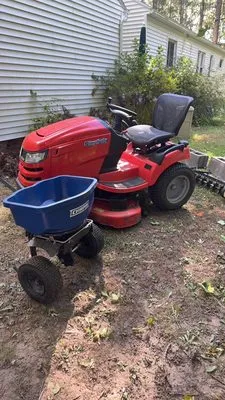
Pete & Cameron's Snow & Ice Removal is a Newark-based company providing year-round property maintenance for Wayne County residents and businesses. We specialize in reliable snow removal and ice contro...
Arcadia Mowing is a trusted lawn care provider serving Newark, NY homeowners. We specialize in comprehensive lawn care services designed to address common local landscaping challenges like dying shrub...
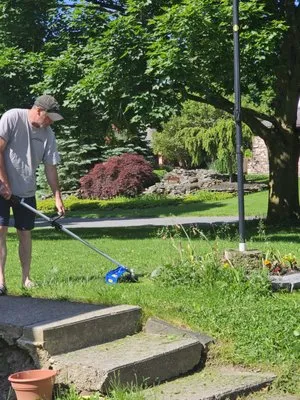
Kellogg's Lawn Care is a trusted, locally-owned lawn service provider serving homeowners throughout Newark, NY. We understand the specific challenges Newark residents face, from overgrown shrubs that ...
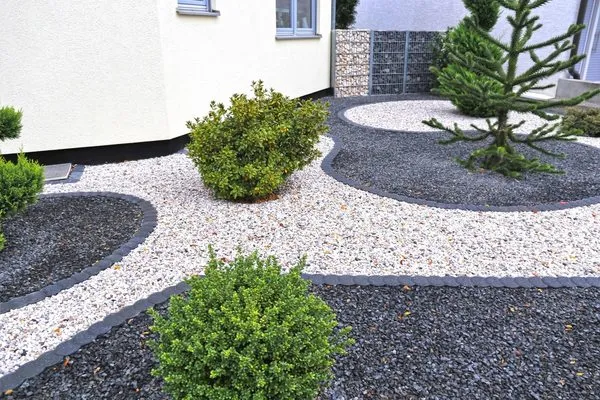
JR's Landscaping & Mowing is a trusted, full-service landscaping company serving Palmyra, NY, and the surrounding communities. We understand the common local challenges homeowners face, such as poor l...

Pollot's Lawn Service and Plowing is a family-owned and operated landscaping provider serving Lyons and the surrounding Wayne County, NY area. As a fully insured company, we build our business on list...
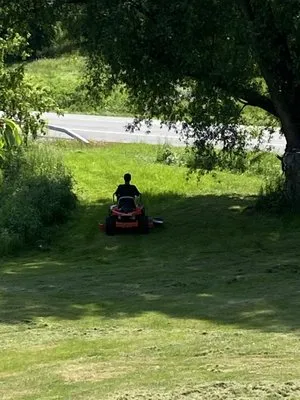
Cutter's provides dependable lawn care services for homeowners in Newark, NY. We understand the local challenges, like poor lawn grading that leads to water pooling and troublesome moss growth in shad...
Currington Lawn Care is a dedicated lawn service provider in Sodus, NY, specializing in comprehensive lawn care to create and maintain healthy, lush green spaces. We understand the local challenges So...
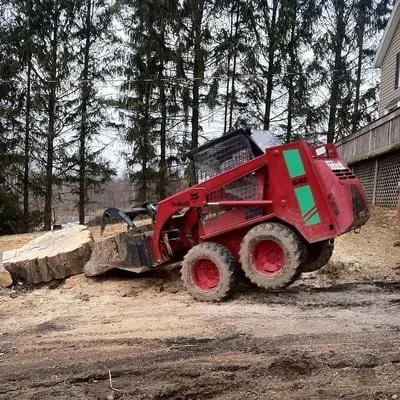
Founded by local resident Zack Smith, Smiths Lawn and Landscape has been a trusted name in Palmyra and Macedon, NY, since 2012. What began as a summer job for a 14-year-old grew into a dedicated caree...

T Sands Contracting is a trusted, locally-owned lawn care provider serving Clifton Springs, NY, and the surrounding Finger Lakes region. We specialize in reviving lawns suffering from common local pro...
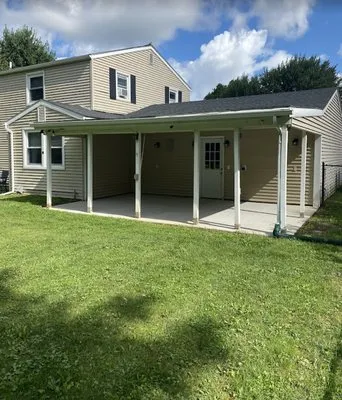
5 Star Construction brings over a decade of professional experience to Williamson, NY, specializing in landscaping, excavation services, and snow removal. As a trusted local provider, we offer excavat...
Estimated Landscaping Service Costs in Newark, NY
Question Answers
How can I reduce lawn maintenance while making my yard more ecologically valuable?
Transitioning high-maintenance turf to native plantings like Common Milkweed, New England Aster, Wild Bergamot, and Little Bluestem creates self-sustaining ecosystems. These species require no fertilization under New York State phosphorus-free laws and minimal watering once established. Electric maintenance equipment for native landscapes operates quietly within Newark's 8pm-7am noise ordinance windows. This approach supports 2026 biodiversity standards while eliminating weekly mowing and reducing seasonal maintenance by 60-70% compared to traditional turf.
What's the best solution for yards that stay soggy long after rain stops?
Seasonal high water tables in Newark's silt loam soils require integrated drainage strategies beyond simple grading. Permeable concrete pavers or bluestone installations with aggregate bases create infiltration zones that meet Village of Newark runoff standards. These systems work with French drains and dry wells to manage heavy clay pocket saturation. Properly designed permeable hardscapes can handle 8-10 inches per hour of rainfall, redirecting water from foundations while recharging groundwater rather than overwhelming storm systems.
What invasive species should Newark homeowners watch for, and how do we treat them safely?
Japanese knotweed and garlic mustard present significant risks in Newark's USDA Zone 6a, outcompeting natives and degrading soil structure. Treatment requires careful timing outside New York State fertilizer law blackout periods, typically using targeted glyphosate applications in late summer when natives are dormant. Manual removal before seed set combined with mycorrhizae-inoculated native plantings creates resilient barriers against reinfestation. Always verify treatment windows with the Village of Newark Planning & Zoning Department to avoid ordinance violations while protecting desirable vegetation.
Can smart irrigation really maintain healthy turf while conserving water in Newark?
Smart Wi-Fi weather-adjusting controllers use evapotranspiration (ET) data to deliver precise moisture levels for Kentucky Bluegrass and Fine Fescue blends. These systems automatically reduce watering during rainfall and increase during dry spells, typically achieving 30-40% water savings compared to traditional timers. While Newark has no mandatory restrictions, this technology supports voluntary conservation by staying within municipal water allocation guidelines. Properly calibrated controllers maintain turf health at 80-90% of potential evapotranspiration, preventing both drought stress and wasteful runoff.
Are concrete pavers and bluestone better than wood for Newark patios and walkways?
Concrete pavers and bluestone offer superior longevity in Newark's climate, with 30-50 year lifespans versus wood's 10-15 years even with treatment. These materials maintain structural integrity through freeze-thaw cycles that degrade wooden structures. For Newark's low fire-wise rating urban residential areas, non-combustible hardscapes provide defensible space without contributing to fire spread risk. Properly installed with polymeric sand joints, these materials also resist weed penetration and maintain permeability for stormwater management compliance.
How quickly can you respond to an emergency tree cleanup after a storm in Newark?
Emergency storm response from our Newark Public Library dispatch point typically reaches Downtown Newark properties within 20-30 minutes during peak conditions. We route via NY-31 with dedicated electric maintenance vehicles that comply with noise ordinances while providing immediate capacity. This timing ensures HOA compliance deadlines are met for debris removal before secondary damage occurs. Our fleet prioritizes arterial road access to maintain this response window even during widespread weather events.
Why does my Newark yard have such compacted soil that struggles to drain properly?
Downtown Newark properties built around 1950 have 76-year-old soil profiles where decades of foot traffic and traditional maintenance have degraded the original structure. The neutral silt loam common in this neighborhood naturally develops heavy clay pockets over time, reducing permeability and creating seasonal water table issues. Core aeration with organic amendments like composted leaf mold addresses this by reintroducing pore space and microbial activity. This process mimics natural soil formation cycles that urban lots have missed since construction.
What licensing and permits are needed for significant landscaping changes on a typical Newark lot?
Grading or earth-moving on Newark's 0.22-acre residential lots requires licensed professionals holding New York State Department of State credentials, as unlicensed work violates state contracting laws. The Village of Newark Planning & Zoning Department mandates permits for drainage modifications, retaining walls over 24 inches, and any hardscape exceeding 100 square feet. These regulations ensure proper stormwater management and prevent neighborhood drainage issues. Always verify contractor licensing through the Division of Licensing Services before commencing work that alters lot elevation or runoff patterns.
