Top Landscaping Services in New York, NY, 07086 | Compare & Call
There are 132 landscaping companies server in New York NY
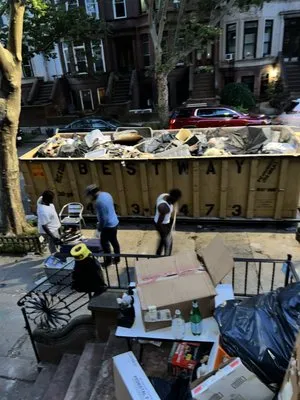
J&E Professional Home Services is a family-owned and operated business in Brooklyn, NY, that came together just before the pandemic. We understand that waste removal is a tough job, but it's essential...
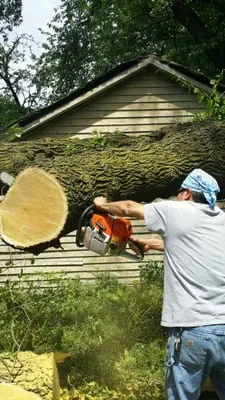
Alvamar Enterprise is a full-service landscaping and construction firm serving Forest Hills, NY. We specialize in transforming and maintaining both outdoor and indoor spaces. Our landscaping expertise...
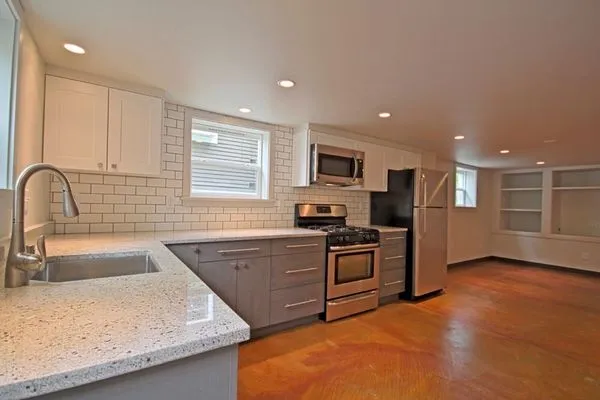
Contracting Express
Contracting Express is a New York-based general contracting and landscaping company with over 27 years of experience serving residential and commercial clients. We provide a comprehensive range of ser...
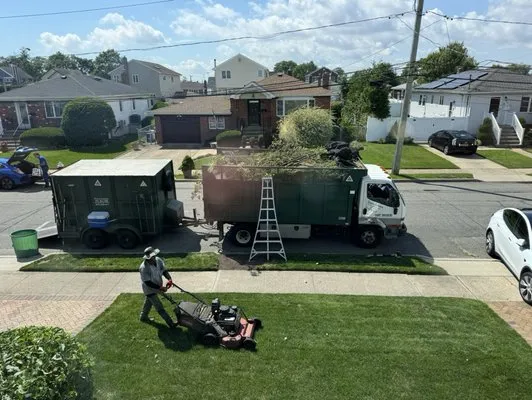
Palmares Landscaping is a locally owned and operated landscaping service proudly serving Valley Stream and surrounding Nassau County communities. Established in 1989, we bring over 25 years of dedicat...
Wally and Sons is a family-run, Brooklyn-based contracting firm dedicated to simplifying home and business projects. We combine construction expertise with practical property services, offering a comp...
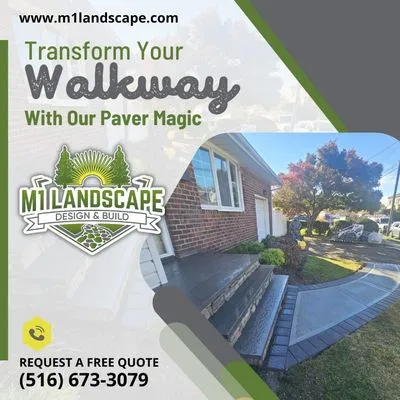
M1 Landscape Design & Build is a trusted, locally-owned landscaping company serving Freeport, NY, and the surrounding area. Founded in 2015 by Marvin Mejia, the company operates on a simple principle:...
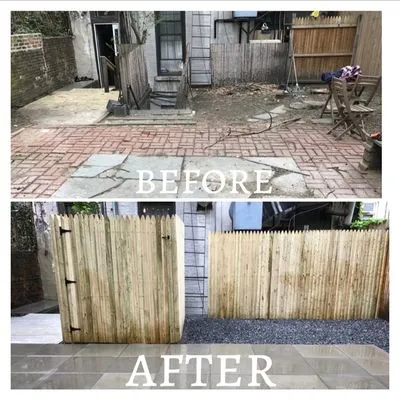
Sparkles Home Improvement & Landscaping has grown from a small mowing service into a trusted provider of comprehensive yard transformations for Brooklyn. We adapt our work to each unique property and ...
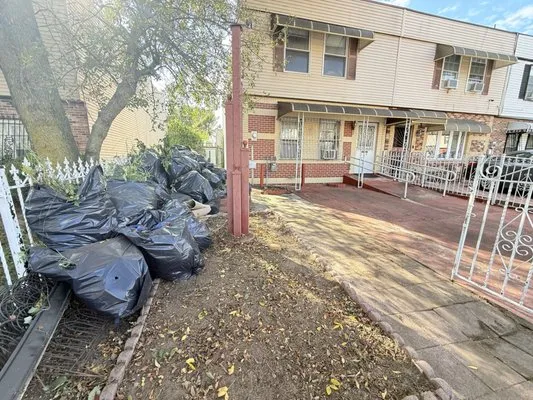
Datco Aesthetics Construction is a New York-based home improvement and landscaping company dedicated to enhancing both indoor and outdoor living spaces. We specialize in a comprehensive range of servi...
Vert Gardens is a Brooklyn-based landscaping and maintenance company dedicated to solving the unique outdoor challenges faced by local homeowners. Specializing in gardening, landscape maintenance, and...
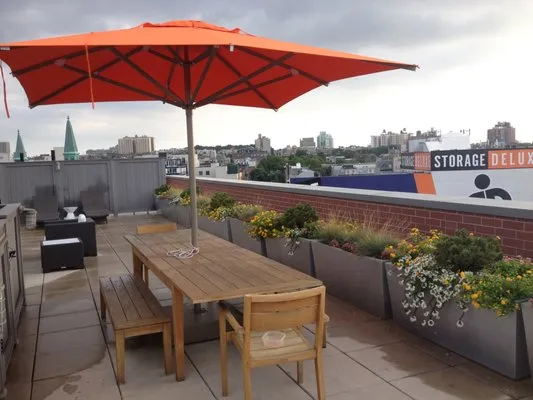
Jay Gardens has been a trusted Brooklyn partner for beautiful, sustainable outdoor spaces since 2004. We combine expert garden design with precise construction to solve common local landscaping challe...
Estimated Landscaping Service Costs in New York, NY
FAQs
How quickly can you respond for an urgent HOA compliance or storm debris cleanup?
Emergency dispatch for the Upper West Side typically routes from our Central Park staging area via the Henry Hudson Parkway (NY-9A). During peak traffic conditions, this results in a 45 to 60 minute response window. Our fleet is composed of electric maintenance vehicles, which aids in compliance with NYC noise ordinances and allows for prompt mobilization. We prioritize securing the site and mitigating immediate hazards upon arrival.
Why does my Upper West Side soil seem compacted and unproductive?
Properties built around 1965, common in this neighborhood, have soil that is now approximately 60 years old. Over this period, urban fill and Manhattan Schist-derived soils become heavily compacted from construction and foot traffic, reducing permeability and oxygen for roots. The pH range of 6.8-7.2 is suitable for most plants, but the primary issue is physical structure. Core aeration and the incorporation of composted organic matter are required to rebuild soil tilth and support a healthy rhizosphere.
What are lower-maintenance alternatives to my high-input lawn that fit the neighborhood aesthetic?
Transitioning to a landscape built on native species like Eastern Redbud, Switchgrass, New England Aster, and Swamp Milkweed drastically reduces water, fertilizer, and maintenance needs. This planting palette is adapted to Zone 7b and supports local pollinators. It also future-proofs your property against evolving regulations, such as gas-powered blower restrictions, as these plant communities require minimal seasonal cleanup compared to traditional turf.
What invasive species should I watch for, and how are they managed under Local Law 37?
Primary invasive alerts include Japanese Knotweed, Mugwort, and Norway Maple seedlings. Treatment involves manual removal or targeted, professional-grade herbicide applications timed outside of NYC Local Law 37's restricted application periods for nitrogen and phosphorus. A long-term strategy focuses on soil health and dense planting of native species to outcompete invasives, creating a resilient landscape that doesn't rely on chemical inputs.
My property contributes to street flooding; what solutions work with our local soil and regulations?
Urban fill soil has low permeability, exacerbating runoff into the combined sewer system. Installing subsurface French drains or dry wells intercepts water before it leaves the property. For new hardscaping, using permeable bluestone paver systems or open-grid pavers increases on-site infiltration. These solutions are designed to meet NYC Department of Buildings standards for stormwater management and mitigate your site's contribution to CSO events.
Are bluestone and granite a better long-term choice than wood for patios and edging here?
Bluestone pavers and granite curbing offer superior longevity and lower lifecycle maintenance than wood, which decays and requires frequent replacement. In the urban density of the Upper West Side, where the Fire Wise rating is low, these non-combustible materials also contribute to defensible space. Their durability and permeability, when installed with proper base materials, make them a technically sound investment for this climate and setting.
Can I keep my Kentucky Bluegrass lawn healthy under New York City's water conservation guidelines?
Yes, using a smart, Wi-Fi-enabled ET-based irrigation system is the prescribed method. This technology schedules watering based on real-time evapotranspiration data from local weather stations, applying water only when needed. It directly aligns with NYC WaterSense guidelines, preventing overwatering and reducing combined sewer overflow contributions. This precise approach maintains turf health while conserving a significant volume of potable water annually.
Does regrading my small backyard require permits or a licensed contractor?
Yes, significant grading on a 0.05-acre lot often requires a permit from the NYC Department of Buildings if it alters drainage patterns or affects structural foundations. The work must be performed by a contractor licensed through the NYS Department of State Division of Licensing Services. This ensures compliance with city codes regarding soil erosion control and proper drainage away from adjoining properties, which is critical in a dense urban environment.
