Top Landscaping Services in New Scotland, NY, 12009 | Compare & Call
There are 175 landscaping companies server in New Scotland NY
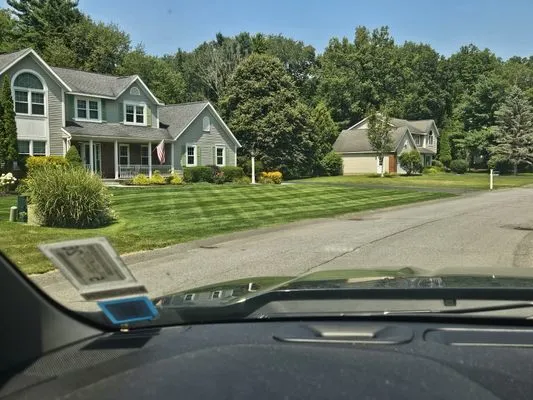
DFJ Landscaping is a locally owned and operated Schenectady business with over 20 years of experience serving the community. We specialize in comprehensive landscaping services including mowing, trimm...
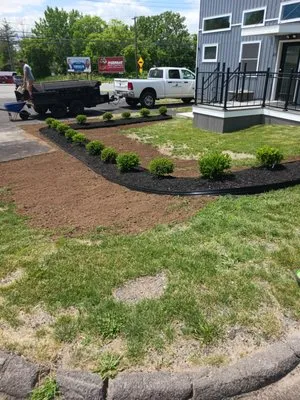
Sons Landscaping is a full-service Schenectady, NY, contractor specializing in creating and maintaining beautiful, functional outdoor spaces. We understand the common challenges local homeowners face,...
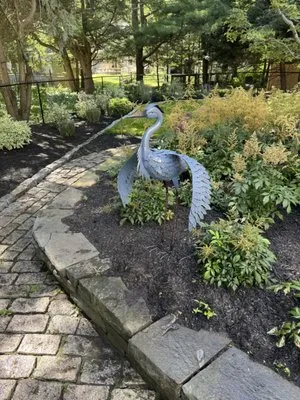
Green Wave Lawn And Landscape is a locally owned and operated Schenectady business with over 30 years of experience serving the community. We specialize in transforming your property's appearance and ...
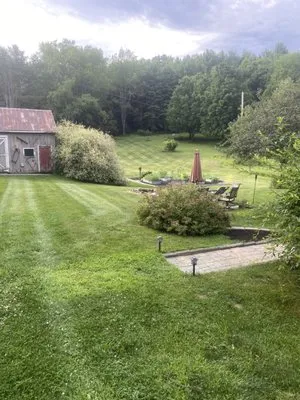
Northside Property Services is your Guilderland neighbor dedicated to maintaining beautiful, functional, and resilient outdoor spaces. We understand the specific challenges homeowners in our area face...
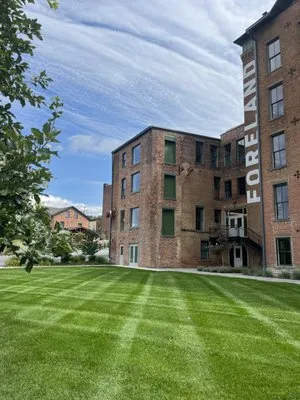
Columbia Landscaping is a locally-owned lawn care service in Stuyvesant, NY, founded by a dedicated 19-year-old with a genuine passion for the work. The business was born from a love for lawn maintena...
Vintage Landscaping is a trusted, local landscaping company serving Selkirk and surrounding communities. We understand the unique challenges homeowners in our area face, such as persistent standing wa...
Mastodon Mowing & Nuisance Wildlife Control is your trusted Cohoes neighbor for protecting and maintaining your property. We understand the local challenges, from stubborn weed infestations to damagin...
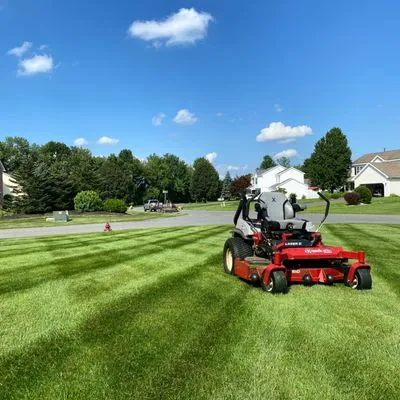
Maggs Lawn & Landscape is a locally owned and operated landscaping company serving Glenville, NY, and surrounding Schenectady and Saratoga counties for over a decade. We specialize in comprehensive ou...
Turfco Lawn & Landscape is a trusted Schenectady landscaping company dedicated to solving common local lawn and garden challenges. We specialize in addressing issues like persistent lawn moss growth a...
A Plus Mowing and Trimming is a trusted, locally-owned lawn care and snow removal service dedicated to Amsterdam homeowners. We understand the specific challenges our climate and soil present, includi...
Estimated Landscaping Service Costs in New Scotland, NY
Q&A
Our yard gets soggy patches every spring. What's causing this and how do we fix it?
The seasonal high water table combined with frost heave in New Scotland's acidic loam creates classic drainage issues. Surface grading to direct water away from foundations is the first step. For patios or walkways, specifying dry-laid bluestone pavers with a permeable gravel base increases infiltration and can help meet Town of New Scotland runoff standards. In severe cases, a subsurface French drain system may be necessary to manage subsurface water flow.
How can we keep our Kentucky Bluegrass lawn healthy without wasting water?
Smart Wi-Fi soil-moisture sensors are the standard for efficient irrigation in Zone 5b. These systems apply water based on actual evapotranspiration (ET) rates and root-zone saturation, not a fixed schedule. This technology prevents overwatering, which is critical for preventing fungal disease in Fine Fescue mixes and conserving municipal water. Even under Stage 0 restrictions, this precision approach is a best practice for long-term turf vitality and resource stewardship.
We want to regrade our backyard for better drainage. What permits or licensed pros do we need?
Regrading a 0.75-acre lot in New Scotland typically requires a permit from the Town Building & Planning Department to ensure proper stormwater management and adherence to zoning codes. The contractor performing this work must hold appropriate licensing through the NYS Department of State, Division of Licensing Services. This ensures they carry the required insurance and have the expertise to alter drainage patterns without negatively impacting neighboring properties or protected environmental features.
A storm brought down several large branches. How quickly can a crew arrive for emergency cleanup?
For priority storm response, a crew would dispatch from the Helderberg Escarpment base via NY-85. During peak conditions, travel time to the New Scotland Hamlet is 45-60 minutes. We prioritize routes to clear access roads and mitigate immediate safety hazards first. All equipment is electric-powered, allowing work to commence within the Town's 7:00 AM noise ordinance window without violation.
We're considering a new patio. Is bluestone a better long-term choice than composite decking?
For longevity and low maintenance, bluestone pavers are superior. They are non-combustible, which contributes to a defensible space in this Moderate Fire Wise rated zone adjacent to the Wildland-Urban Interface. Unlike wood or composites, bluestone does not rot, warp, or require sealing. Its natural thermal mass moderates temperature, and when installed correctly over a permeable base, it manages stormwater runoff effectively for the life of the installation.
We've spotted what looks like Japanese Knotweed. How should we handle it?
Japanese Knotweed is a pervasive invasive species alert in our area. Eradication requires a multi-year, targeted herbicide program applied by a licensed professional. All treatments must use phosphorus-free formulations to comply with New York State Nutrient Runoff Law. Timing applications for late summer or early fall, when the plant is translocating nutrients to its roots, increases efficacy while adhering to any local blackout dates for fertilizer application.
Our yard feels dense and compacted. Is this just normal New Scotland Hamlet soil?
Properties in the Hamlet, built around 1974, have soils that have matured for over 50 years. The naturally acidic loam in this area tends to compact over decades without intervention, especially under the weight of standard lawn care equipment. This reduces soil percolation and root penetration. To restore permeability and health, an annual program of core aeration and amendments with composted leaf litter is recommended. This mimics the natural processes of the nearby Helderberg Escarpment forest floor.
We're tired of weekly mowing. Are there lower-maintenance options that still look good?
Transitioning sections of high-maintenance turf to a meadow of native plants like Little Bluestem, New England Aster, and Joe-Pye Weed significantly reduces mowing and watering inputs. This biodiversity-focused landscaping provides critical habitat and stays ahead of evolving municipal codes, such as potential future restrictions on gas-powered blowers. The deep root systems of these natives also improve soil structure and sequester carbon more effectively than traditional lawn.
