Top Landscaping Services in New Hartford, NY, 13413 | Compare & Call


New Hartford Landscaping is a trusted local landscaping company serving homeowners in New Hartford, NY. We specialize in addressing common local landscaping challenges, particularly irrigation timer f...
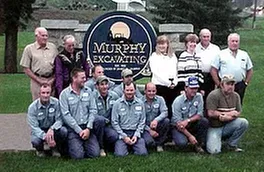
Murphy Excavating
Murphy Excavating Corporation is a trusted, family-owned excavating firm serving New Hartford and the Mohawk Valley since 1952. As the area's oldest bonded excavating company, we specialize in both co...
EMS Property Maintenance is a trusted local landscaping and handyman service based in New Hartford, NY, dedicated to enhancing outdoor spaces for residential clients. We specialize in comprehensive la...
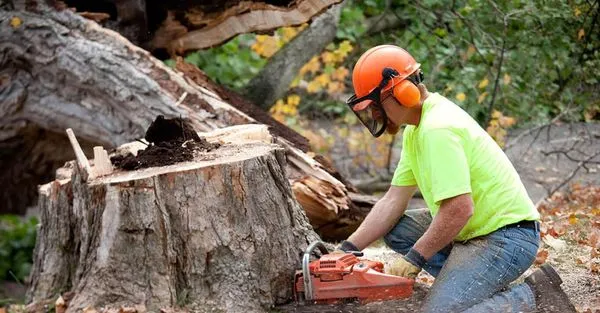
I'm Dano, the owner and operator of Dano's Lawn and Labor in New Hartford. I started this family-run business to build a stable future for my family and to serve our community with reliable, personali...
Elsenbeck Landscape is a trusted local landscaping company serving New Hartford, NY, and the surrounding areas. We specialize in addressing common yard problems faced by homeowners in our community, s...
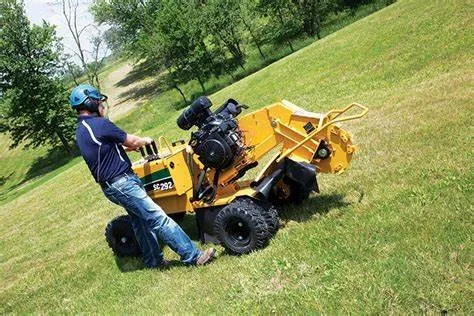
Aaron's Yard Service is a trusted lawn care provider serving New Hartford, NY, and surrounding areas. Specializing in comprehensive lawn maintenance, we help homeowners achieve and maintain healthy, v...
White's Property Maintenance is a trusted lawn care provider serving New Hartford, NY homeowners. Specializing in comprehensive lawn care services, we address common local landscaping challenges like ...
De Carr's Landscaping is a trusted local landscaping company serving New Hartford, NY, and the surrounding areas. We specialize in addressing common local landscaping challenges, such as overgrown shr...
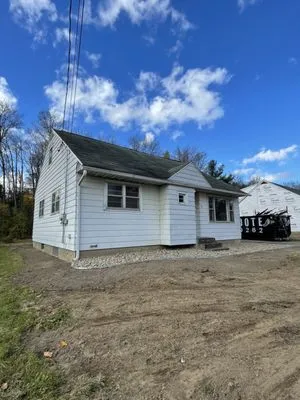
CTM Landscaping is a fully-insured, local landscaping service based in New Hartford, NY, dedicated to enhancing and maintaining outdoor spaces for both residential and commercial properties. They offe...
CNY Custom Lawncare is a dedicated lawn service provider in New Hartford, NY, specializing in comprehensive lawn care solutions for local homeowners. Many homes in the area face common landscaping cha...
Frequently Asked Questions
Why does my New Hartford Village lawn struggle with compaction and poor drainage?
New Hartford Village properties built around 1954 have acidic silt loam soil that has matured for over 70 years. This soil type naturally compacts over decades, reducing permeability and creating seasonal drainage issues. Core aeration with organic amendments like compost improves soil structure by increasing pore space for water infiltration. Regular soil testing maintains the optimal pH 6.2 for turf health while addressing the legacy compaction common in this neighborhood.
How quickly can you respond to an emergency tree cleanup after a storm?
Our electric maintenance fleet can dispatch from the New Hartford Shopping Center area within 20-30 minutes during peak storm response. We route via NY-5 to minimize travel time while complying with the 8:00 AM to 8:00 PM noise ordinance. This allows rapid assessment of storm damage while maintaining neighborhood quiet hours with battery-powered equipment. Emergency protocols prioritize safety hazards before cosmetic cleanup.
What solutions exist for seasonal water table issues in New Hartford's silt loam soil?
Seasonal high water tables in acidic silt loam require French drains or dry wells to redirect subsurface water. Bluestone pavers installed with permeable joints and gravel bases increase infiltration rates while meeting New Hartford Planning and Zoning Department runoff standards. Grading adjustments that create 1-2% slopes away from structures help manage surface water during spring thaw periods. These combined approaches address both surface and subsurface drainage challenges common in this soil type.
How do smart irrigation systems work with New Hartford's voluntary water conservation?
Smart Wi-Fi controllers with soil moisture sensors use evapotranspiration (ET) data to apply water only when Kentucky Bluegrass and Fine Fescue actually need it. These systems typically reduce water use 20-30% compared to traditional timers while maintaining turf health. Soil sensors prevent irrigation during rainfall events, and programmable zones address micro-climate variations across your 0.35-acre property. This approach supports municipal conservation goals without compromising landscape quality.
What permits and licenses are needed for grading work on my property?
Grading projects on 0.35-acre lots typically require permits from the New Hartford Planning and Zoning Department to ensure proper drainage and erosion control. Contractors must hold appropriate licensing through the New York State Department of State, Division of Licensing Services, which verifies insurance and competency. Significant earth moving may trigger additional review if it affects stormwater management or property boundaries. Always verify current requirements as regulations evolve to address climate adaptation needs.
How should I manage invasive species while complying with fertilizer regulations?
Japanese knotweed and garlic mustard pose significant threats in USDA Zone 5b and require targeted treatment before they establish. Mechanical removal during dry periods prevents soil disturbance that exacerbates spread. The New York State Phosphorus Runoff Prevention Act restricts fertilizer application timing, so we use organic amendments and spot-treatments outside blackout dates. Regular monitoring catches new invasions early when control is most effective and least disruptive to soil ecology.
What are alternatives to high-maintenance turf that reduce noise and chemical use?
Replacing turf areas with native plants like Common Milkweed, New England Aster, Joe Pye Weed, and Wild Bergamot creates low-input landscapes that support pollinators. These deep-rooted perennials require minimal watering once established and eliminate weekly mowing during May-October. Electric maintenance equipment operates quietly within noise ordinance hours while avoiding gas emissions. This transition aligns with 2026 biodiversity standards and reduces long-term maintenance costs.
Why choose bluestone over wood for patios in New Hartford's climate?
Bluestone pavers offer superior longevity in Zone 5b's freeze-thaw cycles compared to wood, which deteriorates within 10-15 years. Their non-combustible nature supports the Low Fire Wise rating by creating defensible space around structures. Properly installed bluestone requires minimal maintenance and won't warp or splinter like composite materials. The natural thermal mass helps moderate temperature extremes while providing a stable surface that resists frost heave in New Hartford's seasonal conditions.
