Top Landscaping Services in New City, NY, 10920 | Compare & Call
There are 134 landscaping companies server in New City NY
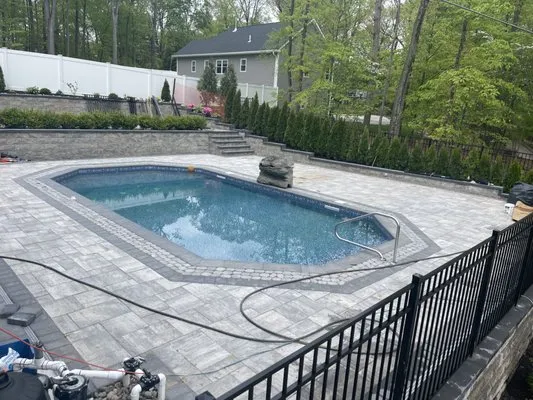
Aguilar Landscaping is a trusted Spring Valley, NY-based contractor specializing in comprehensive landscaping and masonry/concrete services. We help homeowners address common local issues like rock ga...
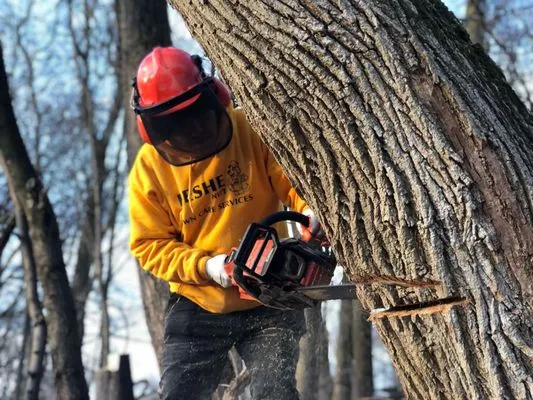
Deshe Lawn Care of Rockland County was founded in 2023 by Abe, whose lifelong passion for horticulture and outdoor spaces drives the business. From a young age tending to family gardens, Abe developed...
Falling Branch Lawncare & Landscaping was born from a deep-seated passion for plants and the outdoors. Founder [Name] grew up on a farm along the Falling Branch of the Deer Creek River, fostering an e...
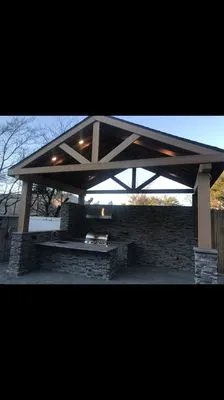
D & D Tree & Landscape has been serving the Rockland, Westchester, and Bergen County area since 1978, providing expert tree care, landscape design, custom planting, masonry, commercial landscape maint...
The Landscape Group is your trusted local partner for creating and maintaining beautiful, healthy outdoor spaces in New City. We specialize in comprehensive solutions, from expert irrigation design an...
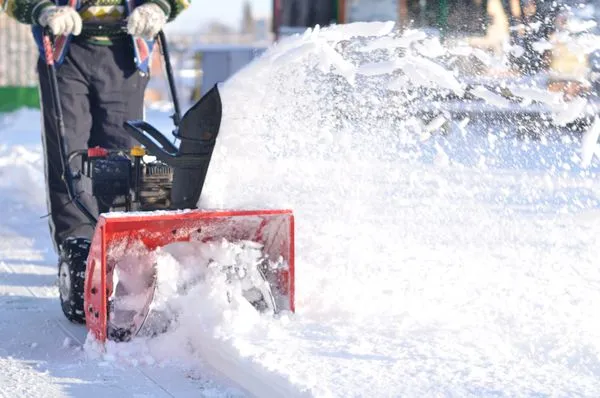
GG Landscaping is a family-owned landscaping company serving Congers, NY, and the surrounding New City area. Founded in 2022, we bring over ten years of combined experience to every project, specializ...
AGFlores is a Congers-based landscaping company specializing in comprehensive outdoor construction and design solutions for local homeowners. With services ranging from driveway and walkway installati...
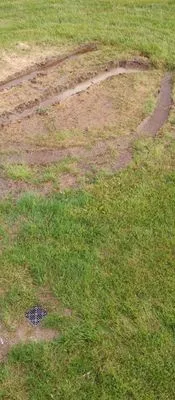
Pro Cut Landscaping
Pro Cut Landscaping has been serving West Nyack and surrounding Rockland County communities for over 30 years. Founded by Bill Fowler and now led by Alex Adamo, the company has grown into one of the a...
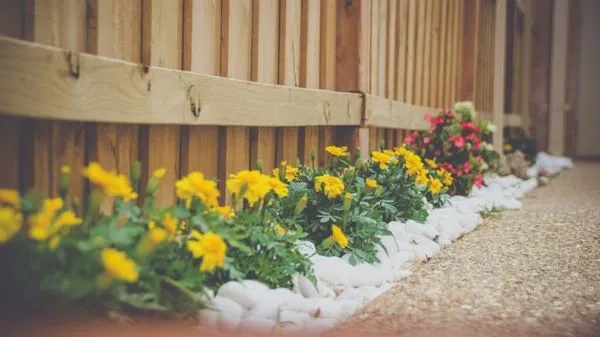
Alphabet Landscaping & Maintenance is a Briarcliff Manor-based company specializing in comprehensive lawn and garden care. We provide reliable services including gardening, irrigation design, construc...
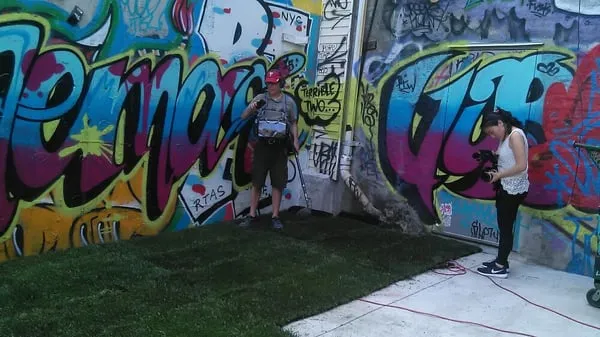
NYC Grass specializes in transforming challenging urban outdoor spaces throughout New York City and the tristate area. We excel at accessing hard-to-reach backyards that require navigating stairs and ...
Estimated Landscaping Service Costs in New City, NY
Common Questions
How quickly can you respond to emergency storm damage for HOA compliance in Clarkstown Center?
Emergency cleanup crews dispatch from the New City Library area via Palisades Interstate Parkway, reaching most Clarkstown Center properties within 25-35 minutes during peak response windows. Our electric maintenance fleet operates within the 8am-8pm noise ordinance restrictions while providing immediate debris removal and safety hazard mitigation. We prioritize downed limbs blocking driveways and damaged trees threatening structures, documenting all work for HOA compliance reporting. Response timing accounts for traffic patterns and storm severity to ensure regulatory deadlines are met.
What solutions address seasonal water pooling in my New City yard's low areas?
High water tables in Clarkstown Center require French drains or dry wells sized to handle 1.5-2 inches of rainfall per hour, given the soil's poor infiltration characteristics. Permeable bluestone paver installations with 0.25-inch joints filled with polymeric sand create 30-40% more surface permeability than traditional hardscapes. The Town of Clarkstown Building Department requires drainage plans showing how runoff is managed within property boundaries before issuing permits. These systems prevent basement flooding while meeting municipal stormwater management standards for 0.45-acre lots.
Can I maintain Kentucky Bluegrass and Fine Fescue turf during New City's Stage 1 water restrictions?
Smart Wi-Fi ET-based controllers precisely match irrigation to evapotranspiration rates, reducing water use 20-30% while preserving turf health. These systems adjust daily based on local weather data, applying 0.75-1.25 inches weekly during peak growing seasons rather than fixed schedules. Programming separate zones for sun-exposed versus shaded areas prevents overwatering in clay pockets common in acidic sandy loam soils. This approach maintains turf density while staying well within voluntary conservation guidelines through targeted moisture delivery.
What landscape changes should I consider as New City transitions toward electric-only maintenance equipment?
Replacing high-maintenance turf with Eastern Redbud, Joe-Pye Weed, Switchgrass, and Highbush Blueberry reduces mowing frequency from weekly to seasonal while providing year-round visual interest. These natives thrive in USDA Zone 6b with minimal irrigation once established, cutting water use 40-60% compared to traditional lawns. The transition aligns with pending electric equipment mandates by reducing overall maintenance hours and eliminating gas-powered blower noise. This approach creates habitat corridors while future-proofing your landscape against evolving municipal regulations.
Why does my Clarkstown Center lawn struggle with compaction and poor drainage despite regular care?
New City properties built around 1968 have 58-year-old soil profiles that have matured into acidic sandy loam with pH 5.8-6.2. This soil type naturally develops compaction layers from decades of foot traffic and equipment use, reducing permeability to 0.5-1.5 inches per hour. Core aeration every 2-3 years combined with 0.25 inches of composted organic matter addresses the poor infiltration while maintaining appropriate acidity for native species. Soil testing before amendment ensures you don't overshoot the optimal pH range for your landscape.
What licensing and permits are required for regrading my 0.45-acre Clarkstown Center property?
The Town of Clarkstown Building Department requires grading permits for any earth movement exceeding 50 cubic yards on 0.45-acre lots, with engineered plans for slopes over 15%. Contractors must hold New York State Department of State Division of Licensing Services certification for landscape architecture or contracting, plus proper insurance coverage for excavation work. Regulations specifically address how redirected runoff affects neighboring properties and municipal systems. Unlicensed grading that alters natural drainage patterns can result in significant fines and mandatory restoration orders.
How do I manage invasive Japanese knotweed without violating New York's fertilizer restrictions?
Targeted glyphosate applications during late summer translocation periods avoid spring phosphorus application blackouts under NYS Fertilizer Law. Manual removal before seed set in June reduces spread while mechanical extraction of root systems addresses the 6-foot deep rhizomes common in Clarkstown Center's sandy loam. Organic alternatives like horticultural vinegar provide spot treatment for smaller infestations without triggering fertilizer ordinance violations. Always coordinate treatment timing with the plant's growth cycle rather than calendar dates for maximum effectiveness.
Why choose bluestone over wood for patios and walkways in New City's climate?
Bluestone pavers maintain structural integrity for 25-30 years in USDA Zone 6b freeze-thaw cycles, compared to wood's 8-12 year lifespan with regular maintenance. The material's non-combustible properties support Firewise USA Community Standards by creating defensible space around structures in moderate-risk zones. Properly installed with adequate base preparation, bluestone resists heaving from the area's high water table better than wood or concrete alternatives. Its natural thermal mass moderates surface temperatures while providing stable footing across all seasons.
