Top Landscaping Services in Mountain Lodge Park, NY, 10950 | Compare & Call
There are 29 landscaping companies server in Mountain Lodge Park NY
Tom's Lawn Mowing Service provides professional and reliable lawn care to homeowners in Highland Mills, NY. We specialize in the routine maintenance and corrective care needed for our region's specifi...
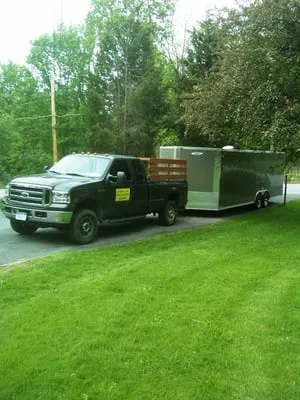
You Grow I'll Mow Inc is a trusted, locally-owned landscaping and snow removal company serving Washingtonville, NY, and the surrounding area. We specialize in reliable, year-round property care, from ...
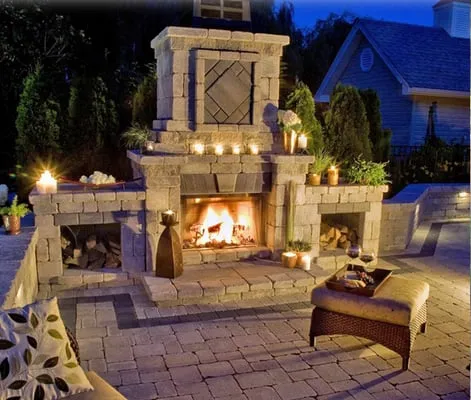
Artistic Landscapes, led by owner Rhett Goslar, brings certified expertise to Montgomery's outdoor spaces. As an ICPI, Techo-Pro, NCMA, and CNLP certified professional, Rhett combines ongoing educatio...
Lawn Doctor in Fort Montgomery, NY provides reliable landscaping, pest control, and tree services for homeowners. We understand the common local challenges, such as irrigation timer failures and stand...
J Demarino Top Soils and Materials
J Demarino Top Soils and Materials is a trusted local provider of landscaping and general contracting services in Monroe, NY. For years, they have helped homeowners address common local issues like sp...
Novi & Jovi Landscaping is a trusted local landscaping company serving Woodbury, NY, and surrounding areas. We specialize in comprehensive landscaping solutions, from design and construction to ongoin...
Weyant Landscaping is a trusted, locally-owned landscaping company serving Highland Mills, NY, and the surrounding Hudson Valley. We specialize in providing reliable, expert solutions for common local...
CGL Arbor Services is a trusted, locally-owned arborist company serving Cornwall, NY, and the broader Hudson Valley since 2014. Founded and led by an ISA Certified Arborist with over two decades of ex...
Linlee Inc Dba Landscape Design is a Monroe, NY-based landscaping company dedicated to enhancing local outdoor spaces with practical, expert solutions. We specialize in addressing common area issues l...
Estimated Landscaping Service Costs in Mountain Lodge Park, NY
Question Answers
We want to reduce mowing and gas equipment noise. What are our options for replacing grass?
Transitioning turf areas to a layered planting of Eastern Red Columbine, Butterfly Weed, New England Aster, and Switchgrass creates a low-input, biodiverse landscape. This native matrix requires no weekly mowing, eliminating noise ordinance conflicts with gas equipment, and provides superior habitat. Once established, these deep-rooted perennials survive on seasonal rainfall, drastically reducing irrigation demand and creating a resilient, fire-wise buffer zone compliant with local WUI guidelines.
How can we keep our Kentucky Bluegrass lawn healthy during voluntary water conservation stages?
Wi-Fi ET-based weather sensing controllers are essential for compliance with Stage 1 voluntary conservation. These systems automatically adjust runtime by calculating daily evapotranspiration (ET) rates, applying water only when the turfgrass root zone requires it. This precision prevents overwatering, reduces runoff into the seasonal high water table, and maintains turf health within municipal guidelines. Deep, infrequent watering cycles programmed by the controller encourage deeper root growth for drought resilience.
Our yard has pooling water in spring. What's a lasting solution for our sandy yet poorly draining soil?
Moderate runoff in acidic sandy loam is often caused by subsurface compaction creating a perched water table. A graded dry creek bed lined with permeable bluestone pavers and aggregate can redirect surface flow while allowing infiltration. This approach often meets the Town of Mountain Lodge Planning & Zoning Department's stormwater management standards for new hardscape. For severe cases, installing a French drain system at the perimeter can intercept groundwater before it surfaces.
What permits and credentials should we verify before hiring a contractor for significant grading work?
Any contractor altering drainage on a 0.45-acre lot must hold a Home Improvement Contractor license from the NY State Department of State Division of Licensing Services. The Town of Mountain Lodge Planning & Zoning Department may require a permit for regrading that affects stormwater flow patterns or involves moving more than a specified volume of earth. Licensed professionals carry the insurance and bonding necessary to address subsurface surprises and guarantee their work meets current erosion control codes.
Is bluestone or wood a better choice for a new patio, considering longevity and fire safety?
Bluestone pavers offer superior longevity and lower lifecycle maintenance compared to wood, which requires regular sealing and replacement. As a non-combustible material, bluestone contributes directly to creating the defensible space required in Mountain Lodge Park's Moderate (WUI Zone 2) fire risk rating. Its thermal mass also moderates micro-climate temperatures. Properly installed with a permeable base, bluestone minimizes runoff, aligning with modern stormwater infrastructure goals.
We see invasive vines and weeds. How do we treat them without using prohibited lawn fertilizers?
Common invasive species like Japanese knotweed or oriental bittersweet require targeted treatment. Manual removal for young plants or precise, foliar application of glyphosate to mature foliage in late summer is effective. These methods avoid soil disturbance and comply with the NY State Phosphorus Runoff Law, which prohibits fertilizer use on established turf. Always apply herbicides during dry, calm periods to prevent drift and never near the seasonal high water table to protect groundwater.
We have storm damage and need an emergency cleanup to meet HOA deadlines. How quickly can a crew respond?
For emergency HOA compliance work, our standard dispatch originates from the Mountain Lodge Town Hall area. Using NY-17, we project a 25-35 minute arrival to Highland Terrace during peak congestion, factoring in current traffic data. Crews are equipped with electric chippers and hauling equipment to begin immediate debris management, prioritizing safety and corridor clearance to restore property access and visual standards swiftly.
Our yard's soil seems compacted and tired. What's the history behind this, and how can we fix it?
Properties in Highland Terrace, built around 1951, have soil that is now 75 years mature. The original acidic sandy loam has likely degraded from decades of foot traffic and conventional maintenance, losing organic matter and becoming hydrophobic. Core aeration in early fall, followed by top-dressing with a locally sourced, pH-balanced compost, will reintroduce vital pore space and microbial life. This addresses the inherent low fertility and poor structure without drastic soil replacement.
