Top Landscaping Services in Moriches, NY, 11955 | Compare & Call

JMM Landscaping & Masonry
JMM Landscaping & Masonry has been a trusted family-owned business in Moriches since 2005, with over 19 years of experience transforming outdoor spaces. We specialize in custom hardscaping and softsca...

Coast II Coast Lawn Care is a trusted, full-service landscaping company serving the Moriches, NY community. We understand the unique challenges Long Island homeowners face, such as persistent lawn fun...

Woodvalley Landscaping & Tree Services is a full-service Moriches-based company specializing in tree care, landscaping, and snow removal. We help homeowners and businesses maintain beautiful, healthy ...
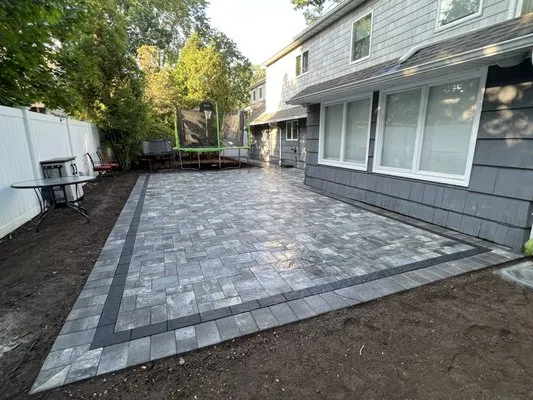
Pristine & Green Landscaping is a full-service landscaping company serving Moriches, NY, specializing in transforming outdoor spaces with expert design, construction, and maintenance. We address commo...
Frequently Asked Questions
My sandy Moriches soil drains so quickly that fertilizer seems to wash right through. Is this a problem, and how is it fixed?
High permeability and nutrient leaching are inherent traits of Plymouth-Haven Sandy Loam. This is an environmental concern, as excess nitrogen can reach groundwater. The solution integrates soil amendment and hardscape choices. Improving the soil's organic matter content with compost increases its nutrient retention. For new patios or walkways, specifying permeable concrete pavers allows stormwater to infiltrate on-site, meeting Brookhaven Department of Planning runoff standards and recharging the aquifer rather than contributing to rapid, contaminated runoff.
I'm tired of weekly mowing and gas equipment noise. What's a lower-maintenance, quieter alternative to my traditional lawn?
Transitioning sections of turf to a native plant community addresses both concerns. Species like Little Bluestem grass, Butterfly Milkweed, Beach Plum, and Inkberry Holly are adapted to Long Island's climate and require no fertilization, minimal watering once established, and only an annual cut-back. This eliminates weekly gas mower and blower use, helping you stay ahead of tightening town-wide noise ordinances. These plantings also provide critical habitat, supporting local biodiversity and creating a resilient, self-sustaining landscape.
If a major storm drops a tree on my property, what's the realistic timeline for emergency cleanup in Moriches?
For a true emergency blocking access or posing immediate hazard, crews can typically be dispatched from a staging area like Moriches Bay Park within the hour. Travel via Sunrise Highway (NY-27) to most Moriches Village locations takes 25-35 minutes under peak post-storm traffic conditions. Initial work focuses on making the site safe by clearing debris from structures and driveways, with full debris removal and stump management scheduled following the initial response. Communication with the Town of Brookhaven's emergency management line provides the most accurate status.
What permits and qualifications should I verify before hiring a contractor to regrade my 0.35-acre property?
Any significant regrading that alters drainage patterns or involves moving more than a few cubic yards of soil typically requires a permit from the Town of Brookhaven Department of Planning, Environment and Land Management. For the work itself, New York State law requires that home improvement contracting exceeding $500 be performed by a company licensed by the NYS Department of State Division of Licensing Services. On a 0.35-acre lot, improper grading can negatively impact neighboring properties, making this licensing and permitting essential for liability protection and ensuring the work meets municipal erosion and sediment control standards.
Is a wooden deck or a paver patio a better long-term choice for my home, considering local conditions?
Permeable concrete pavers offer superior longevity and lower lifecycle maintenance compared to wood in the coastal Moriches environment. They resist moisture, salt, and insect damage that degrade wood. From a Fire Wise perspective, Moriches' Moderate (WUI Zone 2) rating recommends creating defensible space. A non-combustible paver patio adjacent to the home provides a critical firebreak, while decaying wooden decks or mulch beds near the structure can increase fire risk. Pavers also manage stormwater on-site, an added ecological benefit.
How can I maintain a healthy lawn under Stage 1 water conservation rules without wasting water?
Wi-Fi ET-based weather-sensing irrigation controllers are the standard for compliance. These systems automatically adjust watering schedules by calculating daily evapotranspiration (ET) rates using local weather data, applying only the precise amount of water lost. For a Kentucky Bluegrass and Fine Fescue mix, this typically means deeper, less frequent watering cycles that encourage drought-tolerant root growth. This technology often reduces total water use by 20-30% while keeping turfgrass within its health threshold, aligning perfectly with voluntary conservation goals.
I've spotted what looks like Japanese Knotweed or Mugwort on my lot. What should I do, especially with fertilizer restrictions in place?
Early identification and correct timing are crucial for invasive species like these. The Suffolk County Nitrogen Fertilizer Law prohibits fertilizer application from November 1 to April 1, but targeted herbicide treatments for invasives, applied by a licensed professional, are often exempt for remediation purposes. The optimal treatment window is typically late summer to early fall when plants are translocating nutrients to their roots. Mechanical removal is rarely effective for established perennial invasives and can worsen the problem if not done completely.
The lawn on my Moriches Village property seems thin and struggles despite watering. Could the age of the house be a factor?
Homes built around 1975, like many in the area, have soils with approximately 50 years of development. The dominant Plymouth-Haven Sandy Loam naturally becomes compacted over decades, restricting root growth and water infiltration. This compaction limits the effectiveness of any irrigation or fertilizer applied to the surface. Core aeration in early fall or spring, followed by top-dressing with compost, is critical to rebuild soil structure and increase the water-holding capacity this sandy soil lacks.
