Top Landscaping Services in Montauk, NY, 11954 | Compare & Call
There are 212 landscaping companies server in Montauk NY
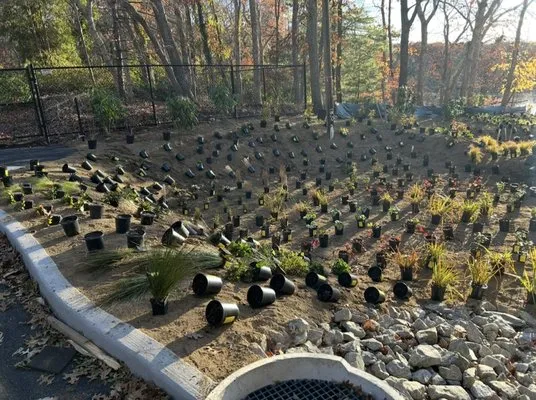
Island Oak Design, founded by landscape designer Shannon in Lindenhurst, NY, is dedicated to transforming outdoor spaces into personalized, functional retreats. With a degree in landscape development ...
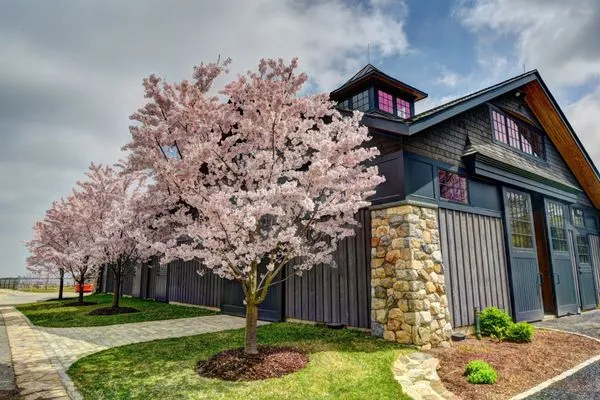
Organically Green is a licensed horticultural services company based in Port Jefferson, NY, dedicated to the health of Long Island's landscapes. We combine expert tree care, shrub management, and eco-...

Devin Beyond Designs
Devin Beyond Designs in Centerport, NY, is a locally owned and operated business specializing in comprehensive outdoor living solutions. With over twenty years of experience, we focus on transforming ...
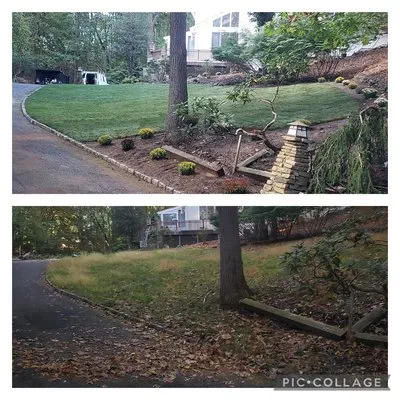
Founded on over two decades of family expertise, DJ Landscaping is a trusted Brentwood business dedicated to enhancing and maintaining your property. We combine the deep-rooted knowledge passed down f...
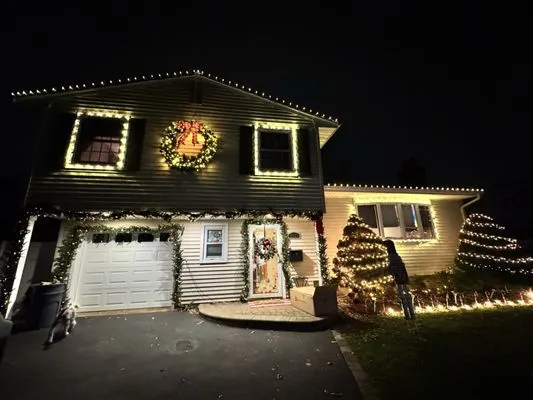
Strong Island Property Services is a locally owned and operated landscaping company in West Hempstead, NY, founded in 2019 by two best friends who combined their passion for landscaping and gardening ...
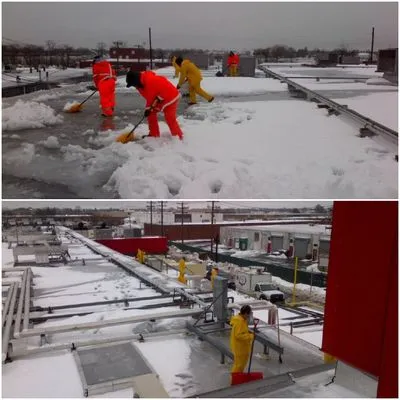
Greens Keeper of Nassau is a Wantagh-based landscape contractor with over 30 years of experience serving Nassau County. We specialize in both commercial and residential property maintenance, offering ...
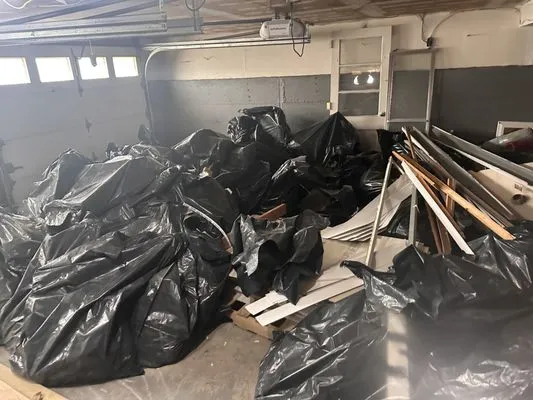
Lays The Call is your trusted local handyman, landscaping, and moving service in Farmingdale, NY. We specialize in a comprehensive range of home maintenance and improvement services, from handyman rep...
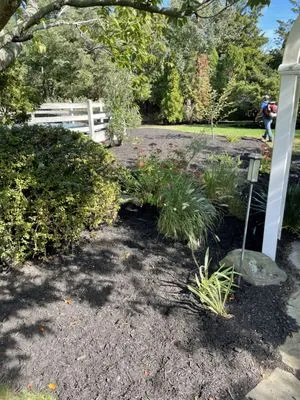
Lawn Island Landscaping is a family-owned business serving Ronkonkoma and surrounding Long Island communities with comprehensive landscaping and snow removal services. We specialize in creating and ma...
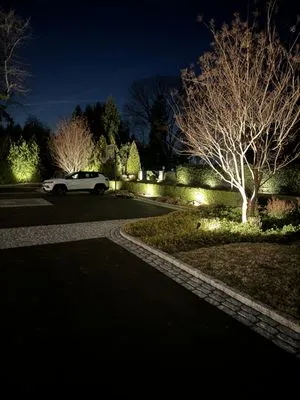
CPC Landscaping and Mulch King is a Smithtown-based landscaping company serving Long Island with comprehensive residential and commercial services. Our licensed and insured team specializes in landsca...
Jose Turcios, the founder and owner of Jose M. Landscaping Corp., has been providing reliable tree and landscaping services to the Queens, Suffolk, and Nassau communities for over 35 years. Based in E...
Estimated Landscaping Service Costs in Montauk, NY
Common Questions
Water seems to just disappear into our yard instantly, yet we still get puddling near the foundation. What's the solution?
High permeability in acidic sandy loam causes rapid vertical leaching but poor lateral movement, leading to foundation puddling. The correct approach is to install a perimeter channel drain tied to a dry well, surfaced with permeable crushed bluestone. This system captures and infiltrates runoff on-site, meeting East Hampton Town Planning Department stormwater standards for 0.45-acre lots.
We're tired of the weekly mowing and gas blower noise. Is there a lower-maintenance, quieter landscape option?
Transitioning to a landscape anchored by Montauk natives like Beach Plum, Bayberry, and Seaside Goldenrod drastically reduces maintenance. These plants require no mowing, minimal water, and thrive in our zone 7b conditions. This shift preempts the seasonal restriction on gas-powered leaf blowers and creates a resilient, biodiverse habitat that aligns with 2026 conservation standards.
We're considering a new patio. Is permeable crushed bluestone a better long-term choice than wood decking here?
For Montauk's Moderate Fire Wise rating in coastal scrub zones, non-combustible crushed bluestone provides critical defensible space. Unlike wood, which requires constant treatment against salt and moisture, bluestone offers permanent permeability and stability. Its longevity and minimal maintenance make it the superior investment, outperforming organic materials in this harsh maritime environment.
With Stage 1 water conservation in effect, how can we keep our Fine Fescue and Bluegrass blend healthy without overwatering?
Smart Wi-Fi ET-based controllers, integrated with in-ground soil moisture sensors, are mandated for efficient irrigation here. These systems apply water only when the root zone moisture falls below a programmed threshold, directly using local evapotranspiration data. This technology maintains turf health within municipal limits by preventing the rapid leaching inherent to our sandy soils.
We've spotted what looks like Japanese Knotweed starting near our property line. How should we handle it?
Japanese Knotweed is a high-priority invasive in Suffolk County. Eradication requires professional-grade foliar herbicide applied during its active growth phase, strictly outside the Nitrogen Fertilizer Law blackout period (Nov 1 - April 1). Attempting mechanical removal often exacerbates the infestation. A licensed applicator can create a management plan that prevents spread to adjacent coastal scrub habitats.
We want to regrade part of our 0.45-acre property. What permits and contractor qualifications are needed?
Any significant regrading on a 0.45-acre lot in East Hampton requires a permit from the Town Planning Department, with a site plan showing drainage calculations. The contractor must hold appropriate licensing through the NYS Department of State, Division of Licensing Services. This ensures compliance with Suffolk County health codes and protects against liability from improper earthwork affecting drainage or neighboring parcels.
A major storm knocked down branches all over our yard, and our HOA requires cleanup within 48 hours. How quickly can a crew get here?
For emergency storm response, our electric fleet dispatches from the Montauk Point Lighthouse area. Crews take NY-27 (Montauk Highway) directly to your neighborhood, with a confirmed arrival window of 45-60 minutes during peak incident response. This rapid deployment ensures HOA compliance and mitigates further property damage from debris.
Our Montauk Village lot has been tough to grow anything in since the house was built in the late 70s. What's the issue with our soil?
Properties dating from the 1978 average build year have nearly 50-year-old soil profiles. In Montauk's acidic sandy loam, this duration means organic matter has severely depleted through leaching. The result is a nutrient-poor, hydrophobic substrate with low cation exchange capacity. To restore soil health, we implement deep core aeration and amend with composted leaf mold to rebuild structure and water retention.
