Top Landscaping Services in Millbrook, NY, 12545 | Compare & Call
There are 115 landscaping companies server in Millbrook NY
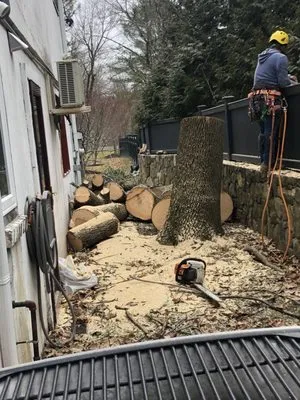
Hernandez Tree Service and Landscape Services is a trusted, family-owned provider for Bedford Hills homeowners, offering comprehensive tree and shrub care alongside expert landscaping. We understand t...
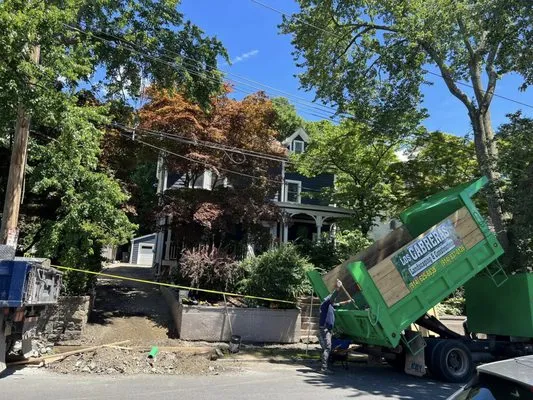
Los Cabreras Construction & Landscaping is a trusted general contractor and landscaping company serving Ossining, NY, and the surrounding Westchester County area. With expertise spanning from building...
SJB Land Works is a trusted excavation, masonry, and lawn services company serving New Paltz, NY, and the surrounding Hudson Valley. We specialize in comprehensive outdoor solutions, including soil ba...
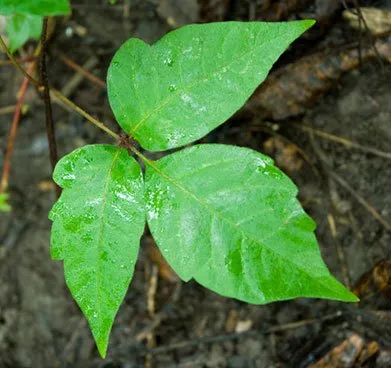
Poison Ivy Plus is your trusted local partner for year-round outdoor maintenance in West Harrison, NY. We specialize in comprehensive lawn care and reliable snow removal services, helping homeowners m...
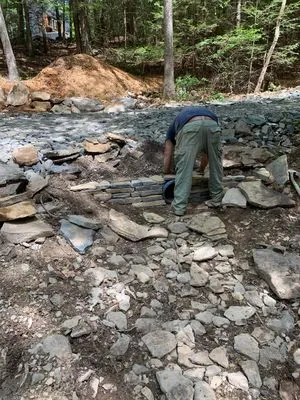
W&S Construction Services is a full-service excavation, landscaping, and tree service company serving Kerhonkson, NY, and the surrounding Hudson Valley region. We specialize in comprehensive property ...
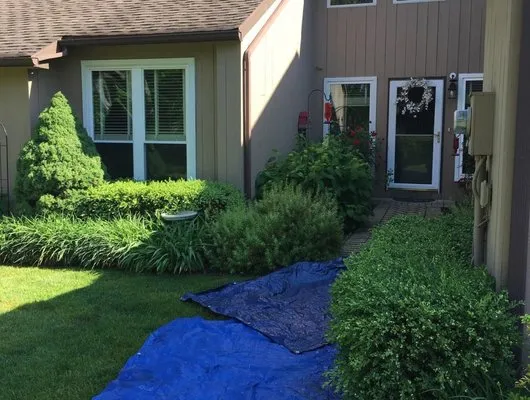
Higher Ground Property Management is a licensed and insured property maintenance company serving Columbia and Dutchess counties, including Hudson, Red Hook, and Rhinebeck. With years of experience, we...
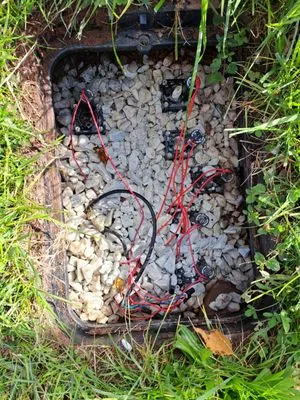
Affordable Irrigation is your dedicated Pine Plains partner for solving common local landscaping challenges. We specialize in designing, building, and maintaining efficient irrigation systems that add...
Bonesteel Brothers has been a trusted partner for homeowners and businesses in Kingston and the Hudson Valley since 2015. They specialize in comprehensive property maintenance, offering general contra...
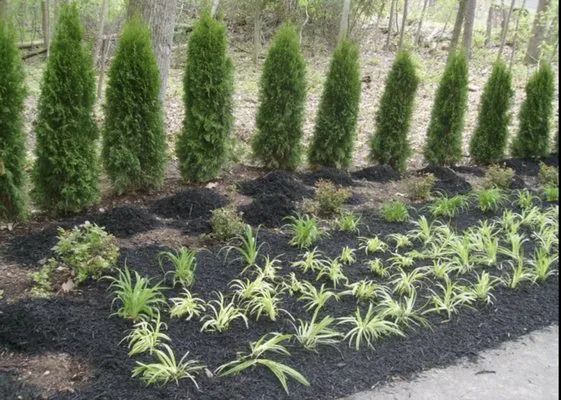
Alex The Land Guy is a dedicated landscaping professional serving Hudson, NY, and the surrounding Columbia County. Understanding the common local challenges of overgrown shrubs and poor lawn grading t...
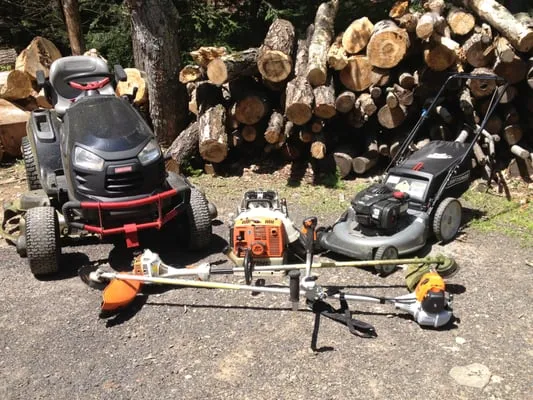
R. Hornung Enterprises is a Shokan-based landscaping company dedicated to maintaining and enhancing local properties through comprehensive lawn and shrub care. We provide reliable services including l...
Estimated Landscaping Service Costs in Millbrook, NY
Question Answers
What permits and licenses are needed for grading my 0.45-acre lot?
Grading work exceeding 100 cubic yards of earth movement requires a Village of Millbrook Building Department permit with engineered drainage plans. Contractors must hold New York State Department of State Division of Licensing Services certification for landscape architecture or excavation work on properties this size. The permit process evaluates soil erosion controls, stormwater management, and compliance with setback requirements. Professional licensing ensures proper understanding of Dutchess-Cardigan soil characteristics and prevents destabilization of neighboring properties through improper slope modification.
Is bluestone or wood better for long-term durability?
Bluestone paving offers superior longevity with 50-100 year lifespans versus wood's 15-25 year maximum in Millbrook's freeze-thaw cycles. Its natural cleft surface provides slip resistance while maintaining permeability when installed with proper joint spacing. For fire-wise considerations in standard residential zones, bluestone creates defensible space without combustible materials near structures. Unlike wood that requires chemical treatments and regular replacement, bluestone's thermal mass moderates temperature extremes and supports load-bearing applications without deterioration.
What solutions work for seasonal flooding in my yard?
Dutchess-Cardigan Silt Loam's high water table creates seasonal saturation that requires engineered drainage solutions. Installing French drains with clean gravel and perforated pipe at 18-24 inch depths redirects subsurface water away from foundations. For hardscape areas, permeable bluestone paving set on open-graded aggregate bases meets Village of Millbrook Building Department runoff standards by allowing 4-6 inches per hour infiltration. These systems work synergistically with grading adjustments to create positive drainage slopes while preserving soil structure.
Can I reduce maintenance while supporting local ecology?
Replacing high-input turf areas with native plantings like Common Milkweed, New England Aster, Joe-Pye Weed, and Little Bluestem creates resilient landscapes requiring minimal intervention. These species support 2026 biodiversity standards by providing habitat for pollinators while naturally resisting pests and diseases. Transitioning to electric maintenance equipment ahead of potential gas-blower restrictions reduces noise and emissions. Native plant communities develop deep root systems that improve soil structure and require no synthetic fertilizers under NY State's phosphorus ban.
Why does my Millbrook Village Core lawn struggle despite regular care?
Millbrook's 1963-era homes sit on Dutchess-Cardigan Silt Loam soil that has matured for 63 years, developing compaction layers from decades of foot traffic and equipment weight. This silt loam's pH range of 5.5-6.2 becomes problematic when compacted, restricting root penetration and water infiltration. Core aeration every 2-3 years combined with organic amendments like composted leaf mold addresses the soil's density while maintaining its natural acidity. Without this intervention, even established Kentucky Bluegrass and Fine Fescue mixes will show thinning and poor drought resilience.
How quickly can you respond to storm damage for HOA compliance?
Emergency cleanup crews dispatch from Bennett Common Park via the Taconic State Parkway, reaching Millbrook Village Core properties within 25-35 minutes during peak conditions. This response window accounts for debris clearance on secondary roads while maintaining compliance with standard daytime decibel limits for equipment operation. For urgent HOA violations involving fallen limbs or blocked access, documentation and initial stabilization occur within the first hour, with full restoration scheduled based on property size and damage assessment.
Should I install smart irrigation with voluntary water conservation in place?
Smart Wi-Fi soil moisture sensor controllers optimize water use by tracking evapotranspiration rates and soil permeability in real-time. These systems maintain Kentucky Bluegrass and Fine Fescue turf health while reducing consumption by 30-40% compared to traditional timer-based irrigation. Even without mandatory restrictions, this technology prevents overwatering that exacerbates Millbrook's seasonal saturated soil conditions. Properly calibrated sensors adjust watering schedules based on actual soil moisture rather than fixed timers, aligning with municipal water conservation goals.
How do I manage invasive species without chemical runoff?
Japanese Knotweed and Garlic Mustard pose significant threats in Millbrook's USDA Zone 5b climate, requiring targeted management before seed set in early summer. Manual removal with root extraction during damp soil conditions proves most effective, followed by solarization with clear plastic for persistent patches. NY State's Dishwasher Detergent and Nutrient Runoff Law prohibits phosphorus applications, making organic amendments like mycorrhizae-inoculated compost essential for soil recovery after invasive removal. Timing treatments outside of blackout dates prevents nutrient leaching into the watershed.
