Top Landscaping Services in Middlebury, NY, 14011 | Compare & Call
There are 120 landscaping companies server in Middlebury NY

G&T Landscaping and Excavation is a Wellsville-based company providing comprehensive landscaping and excavation services to homeowners and businesses in the area. We specialize in soil backfilling, ea...
Baldwin Lawn Care Company is a professional landscaping service based in Sanborn, NY, dedicated to maintaining and enhancing outdoor spaces for homeowners and businesses throughout the region. We spec...
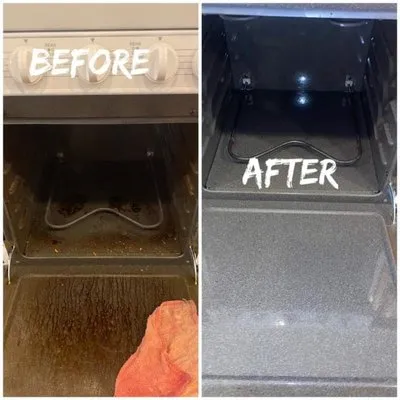
Vons Crispy Clean is a trusted Rochester-based cleaning and lawn care company serving both residential and commercial clients. We specialize in comprehensive solutions including deep cleaning, maid se...
Ground Control is a family-built landscaping and property care company serving Buffalo, NY, and the surrounding area. For over five years, we've been dedicated to turning a lifelong dream into a reali...
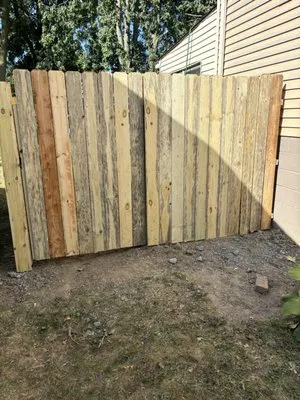
CD Outdoor Services is your trusted local masonry, landscaping, and snow removal expert serving Alden, NY. We specialize in comprehensive outdoor solutions including driveway and walkway construction,...
Fullmers Grind is a trusted landscaping company serving Attica, NY, and the surrounding areas. We specialize in comprehensive landscape maintenance, expert tree care services, and efficient tree stump...
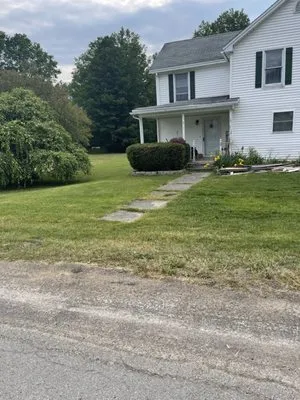
Grass Buster is a dedicated lawn care provider serving Atlanta, NY, and the surrounding communities. We understand the unique challenges local homeowners face, particularly with yard drainage issues a...
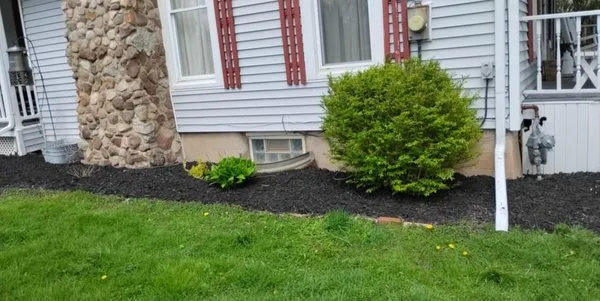
Johnson Services is a trusted local provider in Albion, NY, offering comprehensive solutions for junk removal, landscaping, and painting needs. We specialize in appliance and furniture disposal, inter...

Pollot's Lawn Service and Plowing is a family-owned and operated landscaping provider serving Lyons and the surrounding Wayne County, NY area. As a fully insured company, we build our business on list...
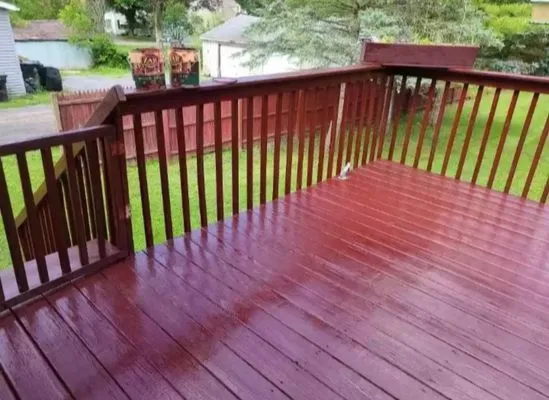
D&D Services is a family-owned business in Macedon, NY, dedicated to providing reliable and affordable home and landscaping services. Founded by a local mother who understands the value of honest work...
Estimated Landscaping Service Costs in Middlebury, NY
Questions and Answers
I want to regrade my 0.35-acre lot. What permits and contractor credentials are required?
Significant grading that alters water flow or involves cut/fill exceeding 18 inches typically requires a permit from the Town of Middlebury Building and Planning Department. For the work itself, you must hire a contractor licensed by the New York State Department of State Division of Licensing Services. On a lot of this size, improper grading can cause off-site drainage problems, making licensed, insured expertise a legal and practical necessity.
Is bluestone or wood better for a new patio considering maintenance and fire safety?
Bluestone pavers are superior for longevity and fire resilience. Unlike wood, which requires annual sealing and degrades, bluestone is a permanent, non-combustible material. In a Moderate Firewise rating zone, creating defensible space is advised; bluestone patios and walkways provide a critical firebreak. Its durability and minimal upkeep offer a better lifecycle cost and enhance property safety.
A storm damaged trees and my HOA requires a rapid cleanup. What's your emergency response time?
Our standard peak storm response is 25-35 minutes to the Maplewood District. We dispatch crews from our depot near the Middlebury Town Green, utilizing NY-19 for direct access. This protocol ensures we can secure hazardous limbs and clear driveways within the restricted operating hours for gas-powered equipment, maintaining community safety and compliance efficiently.
My lawn in Maplewood feels thin and compacted. Is this a soil issue from when the house was built?
Yes, this is a common legacy issue. Homes built around 1961, like many in Maplewood, have 65-year-old soils that have become heavily compacted from decades of foot traffic and conventional maintenance. Your acidic silt loam naturally has poor structure, which inhibits root growth and water percolation. Core aeration and incorporating 1-2 inches of composted organic matter are critical first steps to rebuild soil biology and improve permeability for healthier turf.
I want to reduce mowing and gas equipment noise. What are my options?
Transitioning turf areas to a native plant community is the most effective strategy. Species like Sugar Maple, Black-eyed Susan, Milkweed, and Joe-Pye Weed are adapted to Zone 5b and acidic soils, requiring no fertilization, minimal watering once established, and no weekly mowing. This creates a resilient, biodiverse landscape that aligns with evolving noise ordinances and reduces your carbon footprint from maintenance.
My yard stays soggy in spring and I get frost heave damage. What's a long-term fix?
Your acidic silt loam and seasonal high water table create chronic drainage issues. The solution integrates subsurface French drains to intercept groundwater with surface grading to direct runoff. For any new patios or walkways, specify permeable installations using Bluestone pavers set on a gravel base; this meets Town of Middlebury runoff management standards by allowing water to infiltrate locally, mitigating both ponding and frost heave.
I see invasive vines taking over. How can I remove them without harming my garden or breaking local rules?
Common invasive alerts for this area include Oriental Bittersweet and Japanese Knotweed. Manual removal of roots is preferred for small infestations. For larger issues, targeted, professional-grade herbicide applications must be carefully timed to plant physiology and strictly follow the New York State Non-Agricultural Fertilizer Law, which prohibits phosphorus and regulates application methods to protect watersheds. Never apply during blackout dates or near water features.
With voluntary water conservation, how do I keep my Kentucky Bluegrass healthy without overwatering?
Smart Wi-Fi soil moisture sensor controllers are the definitive solution. These systems apply water based on actual evapotranspiration (ET) and root zone moisture data, not a fixed schedule. This technology can reduce irrigation volume by 20-40% while preserving turf health, ensuring you stay well within Stage 1 conservation guidelines. Properly programmed, it delivers water only when and where the soil profile requires it.
