Top Landscaping Services in Melville, NY, 11746 | Compare & Call
There are 218 landscaping companies server in Melville NY
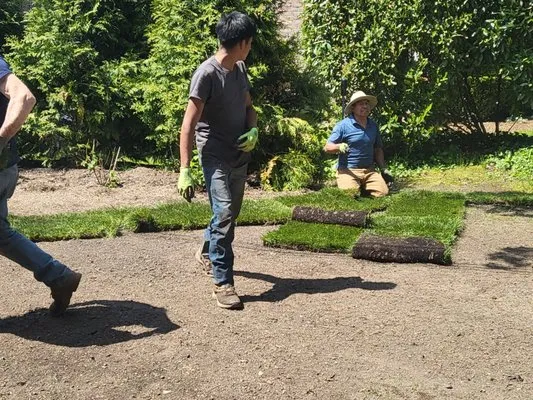
The Complete Sod Services Long Island is a Melville-based landscaping company specializing in comprehensive lawn and garden solutions for Long Island residents. With a focus on sod installation, new l...
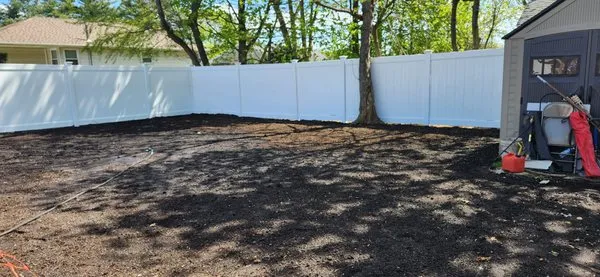
Mendoza Landscaping is a trusted, full-service landscaping company serving Deer Park, NY, and surrounding areas. We specialize in comprehensive landscape solutions, including fence and gate installati...

Quality Island Landscaping is a trusted, locally-owned landscaping company serving Huntington and surrounding areas since 2008. Founded by John E. Marcinka with a passion for creating beautiful outdoo...
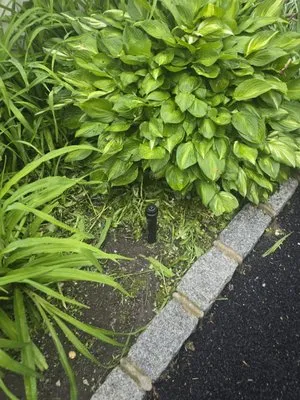
Chris's Lawn Service is a locally owned and operated landscaping business serving Hicksville, NY, and surrounding Nassau County communities. Founded by Chris two years ago, this company specializes in...

JP Ventura Landscaping is a dedicated, family-owned and operated business proudly serving Westbury and the surrounding communities for over eight years. Our team brings organization and a hands-on app...
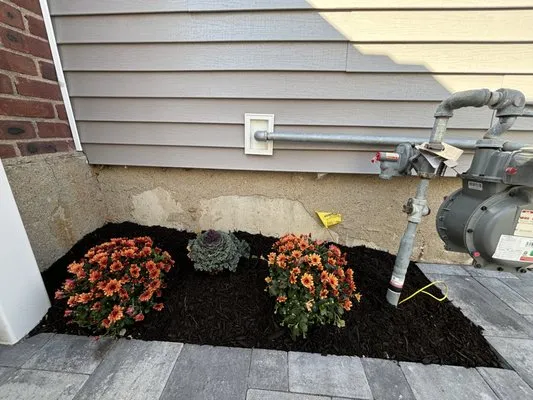
Velasquez Landscaping LLC is a Hicksville-based landscaping company dedicated to transforming outdoor spaces with reliable, professional services. We specialize in comprehensive lawn care and maintena...
Good Luck Landscaping is a trusted local landscaping company serving homeowners in Huntington Station, NY. We specialize in solving the common and frustrating landscaping issues that arise in our comm...
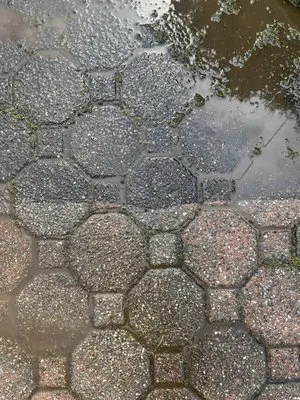
C&A Landscaping is a trusted local landscaping company serving Melville, NY, and surrounding areas. We specialize in comprehensive landscape maintenance, expert tree care services, and professional pr...

Robs Landscaping has been a trusted part of the Bethpage community since 1994. Founded by Robert Crocitto, our family-run business is built on a genuine passion for the green industry and a commitment...
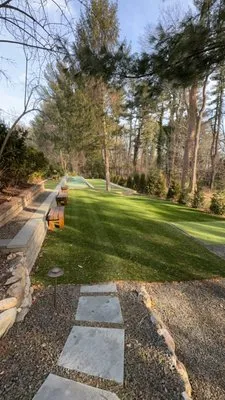
Patron Masonry
Patron Masonry is a trusted masonry and landscaping contractor serving Farmingdale, NY, and surrounding communities. We specialize in comprehensive hardscaping and landscape construction services, inc...
Estimated Landscaping Service Costs in Melville, NY
Q&A
How do we keep our lawn green during voluntary water conservation stages?
Stage 1 voluntary conservation in Melville is managed effectively with Wi-Fi ET-based weather-sensing controllers. These systems adjust irrigation schedules daily using real-time evapotranspiration data, applying water only when the Kentucky Bluegrass and Fine Fescue blend truly needs it. This precision prevents overwatering, aligns with municipal water goals, and maintains turf health by encouraging deeper root growth. Properly calibrated, such a system can reduce water use by 20-30% compared to traditional timers.
Are concrete pavers or bluestone better than wood for a long-lasting patio?
Inorganic materials like concrete pavers and bluestone offer superior longevity and lower lifecycle maintenance compared to wood, which requires regular sealing and is susceptible to decay. For Melville's Low Fire Wise rating, these non-combustible materials also contribute to defensible space by not providing fuel. Their durability and permeability, when installed with a proper base, make them a compliant and resilient choice for the local climate and suburban residential context.
What permits and credentials are needed for regrading and drainage work on our half-acre lot?
Any significant grading or drainage alteration on a 0.50-acre property typically requires a permit from the Town of Huntington Planning Department to ensure compliance with stormwater management codes. The contractor must hold appropriate licensing through the New York State Department of State, Division of Licensing Services. This is not general handyman work; it requires specific expertise in soil mechanics and hydrology to avoid creating downstream flooding issues or violating environmental regulations.
Our soil seems tired. What's going on with the ground in Melville Estates?
Homes built around 1983, like many in Melville Estates, sit on 43-year-old landscapes. The native acidic sandy loam (pH 5.8-6.2) was initially stripped of organic matter during construction. Decades of routine mowing and minimal amendment have likely compacted the soil, reducing pore space for roots and water. Core aeration followed by top-dressing with compost is critical to rebuild soil structure and microbial life, countering the natural acidity and low nutrient-holding capacity of this profile.
Is there a lower-maintenance alternative to our constant mowing and blowing schedule?
Transitioning perimeter zones to a native plant community significantly reduces maintenance inputs. Species like Butterfly Weed, Switchgrass, and Little Bluestem are adapted to Long Island's Zone 7b climate and acidic soils, requiring no fertilizer, minimal water once established, and no weekly mowing. This shift preempts compliance with gas-powered leaf blower restrictions and creates a higher-biodiversity landscape that supports local pollinators and requires only seasonal care.
We have a major storm coming and need emergency branch cleanup to meet HOA rules. How fast can you respond?
For urgent HOA compliance or storm cleanup, our electric fleet is staged for rapid dispatch. A crew would route from the Walt Whitman Shops, accessing I-495 (Long Island Expressway) to reach Melville Estates. Accounting for peak traffic conditions, we project a 25-35 minute arrival window. Our battery-powered equipment operates within local noise ordinances, allowing immediate work upon arrival without time-of-day restrictions.
We have persistent wet spots despite sandy soil. What's the solution?
High permeability in sandy loam is often compromised by localized groundwater mounding or compacted subsoil layers, creating perched water tables. The remedy involves subsurface diagnosis to identify flow paths, followed by strategic installation of dry wells or French drains that channel water away from foundations. For new hardscapes, specifying permeable concrete pavers or open-joint bluestone installations can meet Town of Huntington runoff standards by allowing infiltration directly through the surface.
What invasive species should we watch for, and how do we handle them safely?
Common threats in this area include Japanese Knotweed, Mugwort, and Bamboo. Treatment requires a targeted, systemic herbicide application during the plant's active growth phase, typically late spring through early fall. This timing is crucial to comply with the Suffolk County Fertilizer Law, which prohibits nitrogen applications from December 1 to April 1. Always use NYS-certified applicators who can select products and methods that minimize environmental impact while achieving effective control.
