Top Landscaping Services in Medina, NY, 14103 | Compare & Call

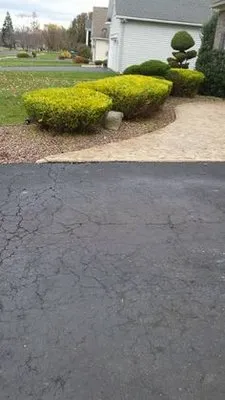
Cruz Landscaping is a family-owned and operated business that has been serving Medina, NY, and the surrounding communities for many years. Founded on the core values of professionalism, commitment, di...
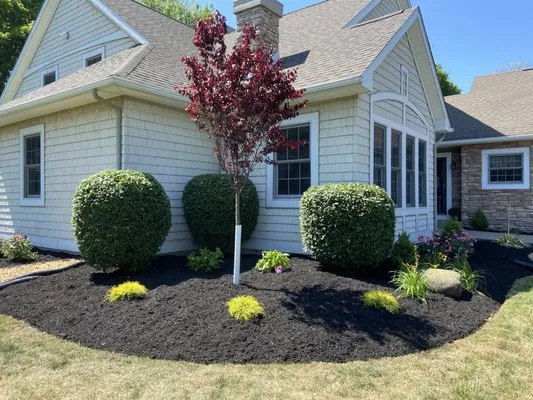
Houseman’s Landscaping is a Medina, NY family-owned business, providing trusted lawn and property care since 1990. We focus on building lasting relationships with our neighbors in Orleans County and s...

Logan's Landscaping is a trusted, locally-owned business serving Medina and surrounding Orleans County communities. We provide comprehensive and eco-conscious property care, from routine lawn mowing a...
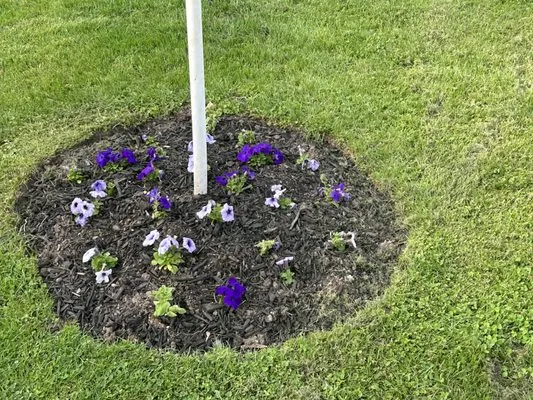
Authentic Lawn Care is a trusted, locally-owned lawn service provider serving Medina, NY. We specialize in comprehensive lawn care programs designed to address the area's most common landscaping chall...
Q&A
Do I need a permit to re-grade my backyard, and what should I verify about my contractor?
Yes, significant regrading on a 0.22-acre lot typically requires a permit from the Village of Medina Code Enforcement Office to ensure proper stormwater management. You must also verify your contractor holds the appropriate Home Improvement licensing through the NYS Department of State, Division of Licensing Services. This licensing is your guarantee they understand state law, including the nutrient runoff ordinance, and carry required insurance for excavation work near property lines and foundations.
My yard stays soggy for days. What's the best long-term fix for poor drainage?
This is a classic symptom of the seasonal high water table and poor infiltration in Medina's silt loam soils. The solution integrates subsurface and surface strategies. We recommend installing a French drain system to intercept groundwater, paired with regrading to create positive slope away from foundations. For any new patios or walkways, specify permeable Medina Sandstone pavers set on a gravel base; this meets Village Code Enforcement runoff standards by allowing water to percolate through the hardscape itself.
I'm tired of weekly mowing. What's a lower-maintenance, eco-friendly alternative?
Transitioning high-input turf areas to a native plant meadow is a strategic solution. Species like Common Milkweed, New England Aster, and Wild Bergamot are adapted to Zone 6a and require no mowing, minimal water, and no synthetic fertilizers. This conversion significantly reduces maintenance frequency, cutting fuel consumption and aligning with evolving noise ordinances that restrict gas-powered blowers and mowers. It also provides critical habitat, supporting local biodiversity.
What invasive species should I watch for, and how do I remove them safely?
In our area, Japanese Knotweed and Garlic Mustard are primary invasive threats that outcompete natives. Manual removal for young plants is effective, but established colonies require targeted, professional-grade herbicide application. All treatments are planned around the NYS Nutrient Runoff Law, which prohibits phosphorus use on established lawns and mandates careful timing to prevent chemical movement into the seasonal high water table or the nearby canal basin watershed.
How quickly can you respond for an urgent HOA compliance cleanup after a major storm?
For emergency storm response in the Medina Historic District, our electric fleet can be dispatched from the Canal Basin staging area. We route via NY-31 to minimize travel through residential corridors, targeting a 20-30 minute arrival during peak disruption windows. This efficient mobilization allows for immediate debris management and turf repair to meet neighborhood aesthetic standards, all while operating within the 8am-8pm noise ordinance window.
Can I have a healthy lawn while following the village's water conservation guidelines?
Yes, precise irrigation management is key. We install smart Wi-Fi soil moisture sensors that monitor real-time conditions in your root zone, triggering watering only when the Kentucky Bluegrass and Fine Fescue turf actually needs it. This ET-based system prevents overwatering, directly addressing the village's General Conservation stance by eliminating runoff and aligning irrigation with actual plant demand, not a fixed schedule.
Is Medina Sandstone a better choice than composite wood for a new patio?
For longevity and ecological performance, locally quarried Medina Sandstone is superior. Its mineral composition provides centuries of durability with minimal upkeep, unlike wood or composites that degrade. In our Low Urban Non-WUI fire rating zone, defensible space is a minor concern, making the non-combustible stone a safe choice. The stone's natural permeability also aids in managing site runoff, a functional advantage over impervious materials.
Why does my lawn in the Historic District look so tired compared to newer subdivisions?
Your property's soil profile is approximately 88 years old, dating to the average 1938 build date of Medina homes. Over decades, foot traffic and conventional maintenance have compacted the native Neutral Silt Loam, severely reducing pore space and permeability. This compaction starves grassroots of oxygen and water, creating a dense layer that resists infiltration. Core aeration is the foundational correction, followed by top-dressing with compost to reintroduce organic matter and restore soil structure.
