Top Landscaping Services in Medford, NY, 11738 | Compare & Call

Based in Medford, Grow Pro Lawn Care provides comprehensive lawn, pest, and irrigation services for Long Island homeowners. We specialize in all-natural solutions, offering customized programs for fer...

Keith's Lawn Maintenance
Keith's Lawn Maintenance is a full-service landscaping and irrigation company serving Medford, NY, and the surrounding communities. We specialize in comprehensive solutions that go beyond basic lawn c...
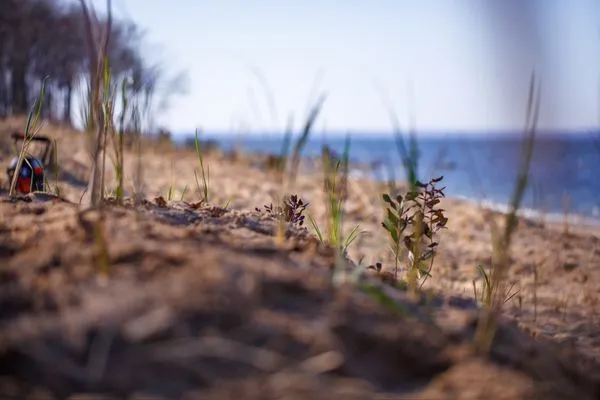
Spadefoot Design & Construction is a Medford-based ecological restoration and landscaping company dedicated to rewilding Long Island. We focus on replacing invasive plant species with native vegetatio...
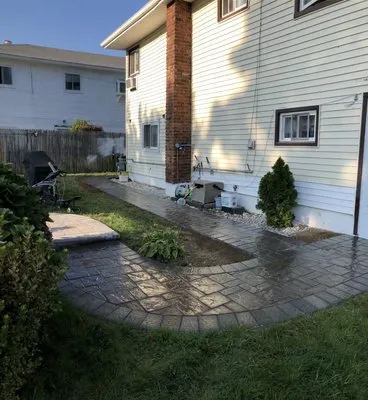
JC Landscape & Masonry is your trusted, full-service partner for enhancing Medford, NY properties. We specialize in durable masonry and comprehensive landscaping solutions tailored to our local enviro...

Modern Landscape & Design has been serving the Medford, NY community since 1991, building a reputation for reliable and effective landscaping solutions. Our journey began with hands-on experience in l...
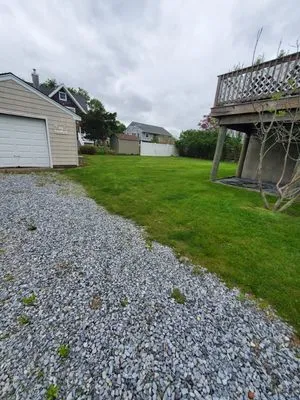
Robles Landscaping is your trusted local landscaping partner in Medford, NY. We specialize in bringing order and beauty back to your outdoor space, focusing on the specific challenges homeowners in ou...
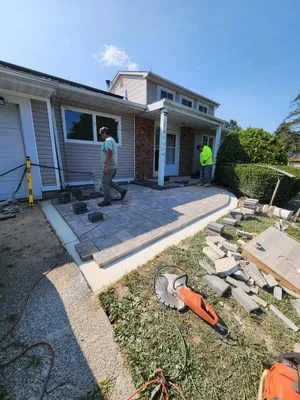
Viking is your local, full-service partner for landscaping, hardscaping, and excavation in Medford, NY. We specialize in creating beautiful and durable outdoor spaces for both homes and businesses, ha...
United Landscape Associates is a Medford-based landscaping company dedicated to solving the specific drainage and turf health challenges common to our local properties. We understand that issues like ...
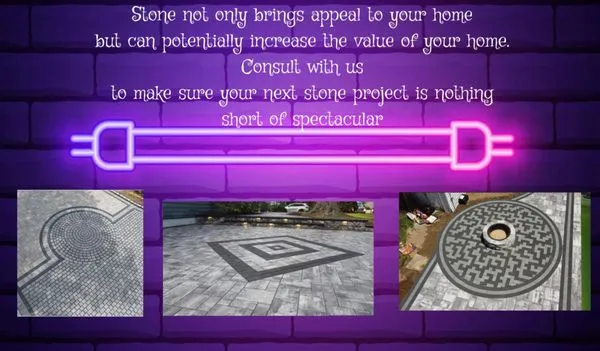
Viking Masonry & Landscaping serves the Medford, NY community with comprehensive landscaping and masonry solutions. Many local homeowners face issues with standing water in their yards and dying shrub...

Variety Lawn Care is a Medford-based provider of reliable outdoor services, committed to delivering quality work at fair prices. We specialize in comprehensive irrigation systems, from installations t...
Q&A
Our Medford Heights lawn has never looked great despite regular care. Could the soil itself be the problem?
Medford Heights properties built around 1975 have 51-year-old soil profiles. Acidic sandy loam naturally develops compaction layers over decades, restricting root growth and nutrient uptake. Core aeration every 2-3 years breaks up these layers while adding organic compost adjusts pH toward optimal 6.0-6.5 for turf health. Without these interventions, even proper fertilization yields limited results in mature suburban soils.
What permits and licenses are needed to regrade our 0.25-acre lot for better drainage?
Regrading that alters water flow patterns requires Town of Brookhaven Planning Department approval with engineered drainage plans. Contractors must hold New York State Department of State landscaping licenses with specific endorsements for earth moving exceeding 10 cubic yards. On quarter-acre lots, improper grading can affect neighboring properties, triggering liability concerns that necessitate both general liability and erosion control insurance certificates before work commences.
Should we use permeable pavers or composite decking for our new patio in this fire-prone area?
Permeable concrete pavers provide superior fire resistance with Class A flame spread ratings, creating defensible space required in Moderate WUI Zone 2. Unlike wood or composites that require chemical treatments, pavers maintain integrity during ember exposure while their non-combustible nature eliminates fuel sources. Their 50+ year lifespan with minimal maintenance outweighs wood's 10-15 year replacement cycle, particularly when considering fire-wise landscaping mandates.
How can we maintain Kentucky Bluegrass during Stage 1 water restrictions without brown spots?
Wi-Fi ET-based weather sensing irrigation calculates evapotranspiration rates specific to Medford's microclimate. This system delivers 0.75-1.0 inches weekly during peak summer, aligning with voluntary conservation while meeting turf requirements. Programming deep, infrequent watering at dawn minimizes evaporation loss and prevents the leaching common in sandy soils. Smart controllers automatically adjust for rainfall, staying 20% below municipal water budgets.
We need emergency storm cleanup to meet HOA compliance deadlines. What's your fastest response time?
Emergency crews dispatch from Medford Veterans Memorial Park via the Long Island Expressway (I-495) to Medford Heights. During peak conditions, expect 45-60 minute arrival with electric equipment that complies with noise ordinances. Our routing prioritizes arterial roads to bypass local congestion while maintaining communication with municipal storm response teams for coordinated debris removal.
We want to reduce mowing and gas equipment noise. What native plants thrive here with minimal care?
Replacing turf corridors with Little Bluestem, Butterfly Milkweed, and New England Aster creates biodiverse landscapes requiring only annual cutting. These natives establish deep root systems accessing subsoil moisture, eliminating irrigation needs after establishment. Beach Plum shrubs provide year-round structure while supporting pollinators. This approach reduces maintenance frequency 80% and transitions equipment to electric alternatives ahead of 7 AM-7 PM gas-powered restrictions.
Our yard floods briefly after heavy rains despite sandy soil. What drainage solution works here?
High permeability in acidic sandy loam creates rapid vertical drainage but limited horizontal movement, causing temporary pooling. Permeable concrete pavers installed with 2-3% slope direct surface runoff into aggregate bases that slowly infiltrate groundwater. This meets Town of Brookhaven Planning Department runoff standards by reducing peak flow rates 40-60% compared to impervious surfaces. French drains along property perimeters provide additional insurance against saturation events.
We spotted invasive Japanese knotweed spreading from a neighboring lot. How do we treat it safely?
Japanese knotweed requires systemic herbicide application during active growth phases (May-September). Professional applicators use glyphosate formulations at 2% concentration directly to foliage, avoiding soil contact that could violate Suffolk County's nitrogen/phosphorus blackout dates. Multiple treatments over 2-3 seasons eradicate rhizomes while protective measures prevent drift to desirable vegetation. Early intervention prevents establishment that compromises structural foundations.
