Top Landscaping Services in Manhattan, NY, 10001 | Compare & Call
There are 137 landscaping companies server in Manhattan NY
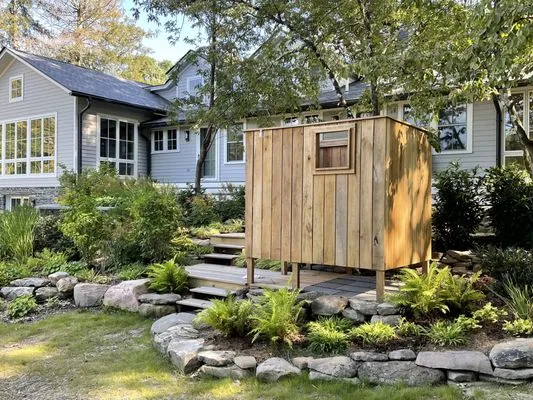
Design by Plants is a Kerhonkson-based landscape design and build firm founded by a former sustainable architecture director. With over 15 years of specializing in restorative plant environments, our ...
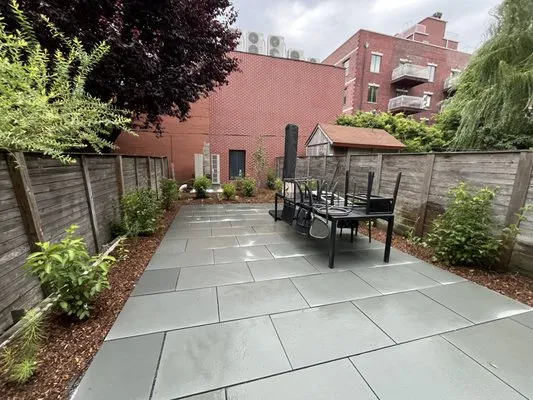
Brooklyn Landscape Design
Brooklyn Landscape Design brings over two decades of local expertise to every outdoor project in the borough. Founded in 2015 by Chris Palumbo, the company operates on a foundation of honesty, creativ...
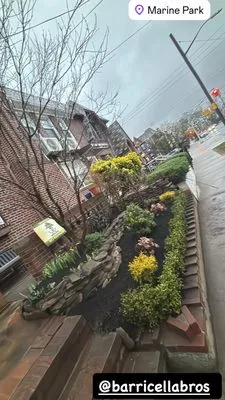
Barricella Bro's Landscaping & Tree Removal is a Brooklyn-based, family-led business with deep roots in the community. Founded by third-generation specialist Michael Angelo Barricella, the company com...
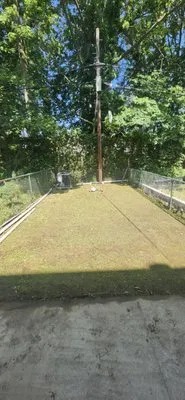
Lil Love Cleaning, founded by Bronx resident Jamel Moser over 13 years ago, is a licensed and insured local business dedicated to bringing 'Quality with a Lil Love' to every home and office. The compa...
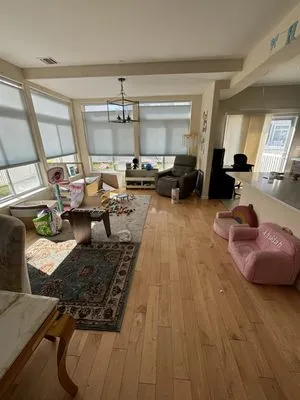
Just Clean Lots is a New York-based provider of comprehensive cleaning and landscaping services for homes, offices, and commercial properties. We specialize in tackling the specific challenges faced b...
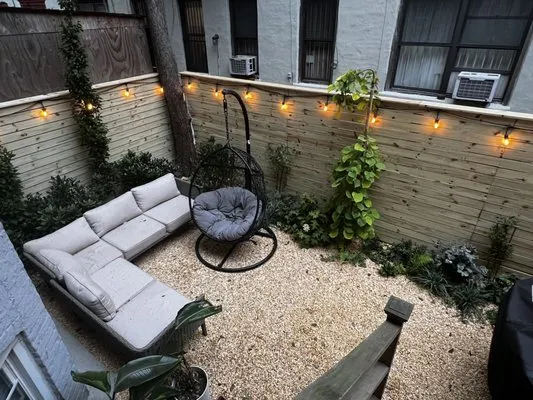
Native NY Gardens is a Brooklyn-based landscaping company founded on friendship and a deep commitment to local ecology. Co-founded by three high school friends who honed their skills at other firms, t...
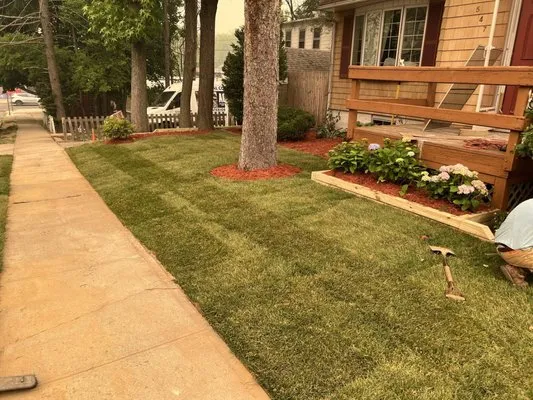
Russo's Landscaping
For over 30 years, Russo's Landscaping has built its reputation in New York on a foundation of service, quality, and professionalism. Our well-known expertise in landscape design and construction is r...
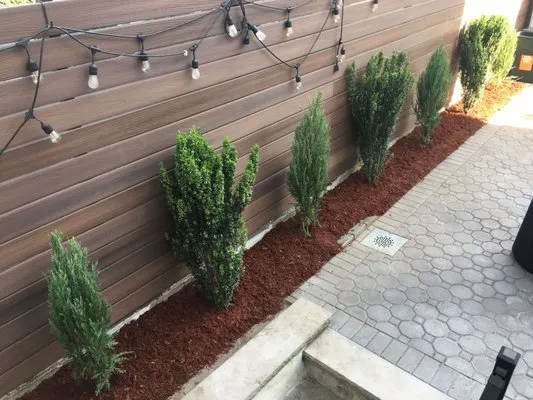
De Santo Landscaping and Gardening is a Brooklyn-based provider of expert landscape and shrub care services. We specialize in creating and maintaining healthy outdoor spaces, with a deep understanding...
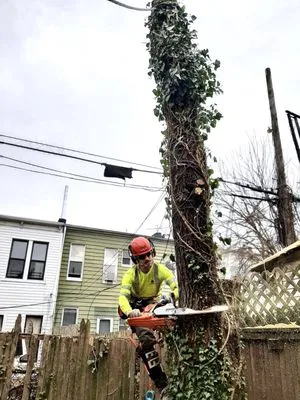
Arborpolitan Tree & Garden Care
Arborpolitan Tree & Garden Care is a Brooklyn-based, ISA-certified arboriculture firm founded in 2010 to nurture New York City's urban green spaces with natural, holistic methods. Our mission is to br...
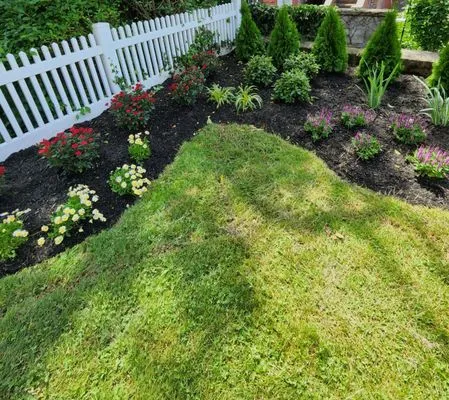
JC Landscaping & Design
JC Landscaping & Design has been a trusted name in Queens, Brooklyn, and Long Island since 2002. As a licensed landscape design and architecture firm, we specialize in creating personalized outdoor en...
Estimated Landscaping Service Costs in Manhattan, NY
FAQs
Is bluestone a better choice than wood for my patio?
Yes, for durability and ecology. Bluestone is inert, non-combustible, and lasts decades with minimal upkeep, unlike wood which decays and requires toxic sealants. In our low Firewise rating urban environment, its non-flammable nature is a minor benefit, but its primary advantage is permeability when installed correctly. This reduces local heat island effect and manages stormwater without contributing to landfill waste.
Why does my Upper West Side soil seem so poor and compacted?
Your property, like most built around 1945, sits on 80+ years of urban anthropogenic fill, a soil type common in this neighborhood. This engineered material is typically compacted, low in organic matter, and has a pH of 6.8-7.5. It severely restricts root growth and water percolation. Annual core aeration and the addition of compost are non-negotiable for establishing soil biology and improving structure for any planting.
How quickly can you respond to an emergency storm cleanup to avoid HOA fines?
For urgent HOA compliance, our electric fleet can dispatch from Central Park West. Taking the Henry Hudson Parkway (NY-9A) north allows a direct route, though peak traffic can extend travel to the Upper West Side to 45-60 minutes. We prioritize these calls with battery-powered equipment that complies with the NYC Noise Code, enabling immediate work upon arrival without violating gas-powered tool restrictions.
Do I need a permit to regrade my tiny backyard?
Yes, nearly all grading and drainage work on a 0.05-acre Manhattan lot requires a permit from the NYC Department of Buildings to ensure it doesn't adversely affect neighboring properties or the sewer system. Furthermore, the contractor must hold appropriate licensing through the NYS Department of State. This protects you from liability and ensures the work meets city codes for erosion control and stormwater management.
What's a lower-maintenance alternative to my high-input lawn?
Transitioning to a native plant palette is the strategic move. Species like Eastern Redbud, Switchgrass, and New England Aster are adapted to Zone 7b and require no chemical inputs, minimal water, and no gas-powered leaf blowing. This creates a resilient, biodiverse landscape that preemptively complies with evolving noise and chemical ordinances, while providing critical habitat and reducing your carbon footprint.
My small yard floods during heavy rain. What's a permanent solution?
High impervious surface runoff is the core issue on your 0.05-acre lot. Replacing solid paving with permeable bluestone pavers set on a gravel base creates a infiltration zone. This meets NYC Department of Buildings standards for managing stormwater on-site, reducing discharge into the combined sewer system. Integrating a dry well or rain garden with Swamp Milkweed can further capture and biologically treat runoff.
I've spotted invasive vines. How can I treat them safely?
For invasive species like English ivy or porcelain berry, manual removal is the first line of defense. Any required herbicide must be phosphorus-free to comply with NYS nutrient runoff law, and application must follow label directives to protect soil and water health. We time treatments to avoid peak growth periods and never apply before forecasted rain to prevent chemical movement into the watershed.
How do I keep my Kentucky Bluegrass lawn green without wasting water?
Smart, Wi-Fi ET-based irrigation is essential. This system uses local weather data to apply water only when evapotranspiration rates demand it, precisely matching your turf's needs. It automatically bypasses cycles during rain, conserving water under standard city conservation guidelines. This technology maintains turf health while preventing the overwatering that exacerbates combined sewer overflow risks in our dense urban watershed.
