Top Landscaping Services in Mamaroneck, NY, 10538 | Compare & Call

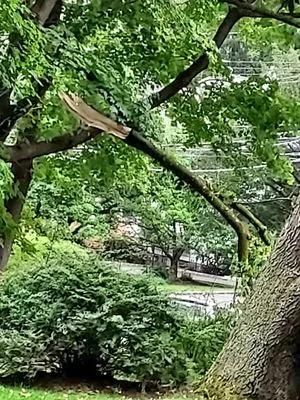
SavATree Mamaroneck provides expert tree and lawn care services to the Mamaroneck, NY, community. We help homeowners address common local issues like patchy lawns from sprinkler gaps and persistent we...

RC Landscape
RC Landscape Inc. is a family-owned and operated landscaping company based in Mamaroneck, NY, serving Westchester County, White Plains, and the surrounding areas for over 30 years. Founded by Pantaleo...
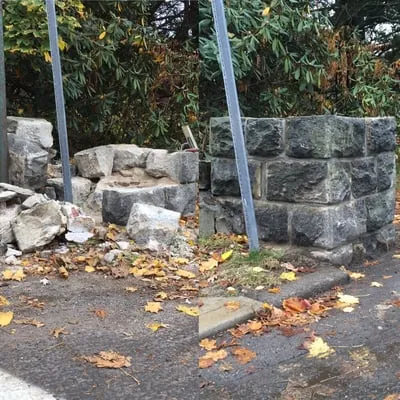
Harrison Avenue Garden Center
Harrison Avenue Garden Center is a trusted, family-owned and operated landscaping company serving Mamaroneck and the surrounding communities. With over 30 years of local experience, we are licensed an...
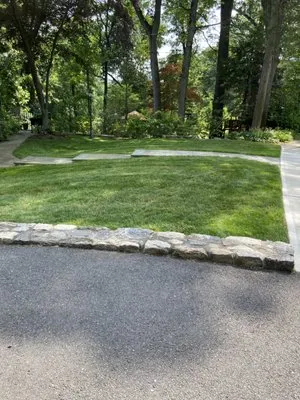
Ruben Lopez Landscaping LLC is a family-owned landscaping business serving Mamaroneck, NY, with over 30 years of local experience. We specialize in comprehensive outdoor services including landscape d...

For over six decades, Felice Landscaping has been a trusted name in Mamaroneck, NY, building beautiful and functional outdoor spaces as a third-generation, family-owned business. Since 1961, we've pro...
Mario Capparelli is a trusted local landscaping professional serving Mamaroneck, NY. With deep roots in the community, Mario specializes in tackling the area's most common lawn challenges, including u...

Veterans Landscaping is a dedicated Mamaroneck-based service focused on solving the specific lawn and garden challenges common in our coastal community. We specialize in addressing persistent issues l...

Capparelli Pantaleo General Contractors
Capparelli Pantaleo General Contractors is a family-owned and operated business built on a foundation of skilled masonry and civil engineering expertise. Founded by Pantaleo Capparelli, a master mason...
Joe Arcidiacono Morano Landscape Services
Joe Arcidiacono Morano Landscape Services is a Mamaroneck-based gardening, lawn, and tree care provider dedicated to beautifying local homes with personalized, affordable solutions. As a small busines...
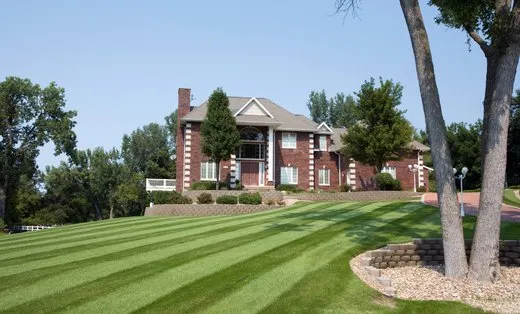
For over three decades, JC Landscapers & General Contractors has been a trusted presence in the Mamaroneck community. We're a local, family-operated business built on a foundation of honesty, reliabil...
Questions and Answers
Are bluestone pavers better than wood for longevity in our climate?
Bluestone pavers offer 50+ year durability compared to wood's 15-20 year lifespan in Mamaroneck's freeze-thaw cycles. Their non-combustible nature supports Firewise Low rating requirements for urban-suburban interfaces by creating defensible space around structures. Properly installed with polymeric sand joints, bluestone maintains stability through coastal temperature fluctuations while providing excellent permeability for stormwater management. This material requires minimal maintenance compared to wood's seasonal sealing and replacement needs.
What low-maintenance alternatives work for noise-restricted neighborhoods?
Transitioning from high-maintenance turf to native plantings like Eastern Redbud, Sweet Pepperbush, Joe-Pye Weed, and Switchgrass reduces mowing frequency and eliminates gas-powered blower use. These adapted species require minimal irrigation once established and support local pollinator populations. This approach stays ahead of Mamaroneck's May 15-September 30 gas-blower restrictions while creating year-round visual interest with seasonal blooms and structural winter forms.
How quickly can you respond to storm damage for HOA compliance?
Emergency cleanup dispatch originates from Harbor Island Park with direct I-95 access to Orienta, ensuring 20-30 minute peak storm response times. Our electric maintenance fleet operates within Mamaroneck's noise ordinance restrictions for gas-powered equipment from May 15 through September 30. This routing strategy prioritizes fallen limb removal and drainage restoration to meet HOA landscape standards while minimizing neighborhood disruption during recovery operations.
How do I prevent coastal storm surge ponding on my property?
High coastal storm surge and localized ponding in Mamaroneck's acidic sandy loam requires graded swales directing water away from structures. Permeable bluestone paver installations with gravel bases increase infiltration rates by 40-50% compared to solid surfaces. These systems must meet Mamaroneck Village Building Department runoff standards while addressing the soil's natural drainage limitations. Strategic placement of dry wells in low-lying areas further mitigates ponding during heavy rainfall events.
What permits and licenses are needed for grading my 0.25-acre lot?
Grading work on Mamaroneck's 0.25-acre lots requires Mamaroneck Village Building Department permits for soil disturbance exceeding 100 square feet. Contractors must hold Westchester County Department of Consumer Protection licensing for excavation and earthwork operations. These regulations ensure proper erosion control during construction and verify final grade meets municipal drainage standards. Unlicensed grading can result in significant fines and mandatory restoration at property owner expense.
Can I maintain my Kentucky Bluegrass lawn under Stage 1 water restrictions?
Wi-Fi ET-based weather sensing irrigation systems precisely match watering to actual evapotranspiration rates, reducing water use 20-30% while preserving turf health. These systems automatically adjust schedules based on real-time weather data, soil moisture sensors, and plant water requirements. For Mamaroneck's Stage 1 voluntary conservation, this technology maintains Kentucky Bluegrass and Fine Fescue mixes with 1-1.5 inches weekly during peak season while staying well within municipal water allocation limits.
Why does my Orienta lawn struggle despite regular care?
Mamaroneck's Orienta neighborhood has 75-year-old soil maturity from 1951 construction, creating compacted acidic sandy loam with pH 6.2. This soil type develops poor permeability over decades, limiting root penetration and water infiltration. Core aeration every 2-3 years is essential to break up compaction layers and improve soil structure. Incorporating organic amendments like composted leaf mold increases water retention while maintaining proper drainage characteristics for healthy turf establishment.
How do I control invasive species without violating fertilizer regulations?
Japanese knotweed and garlic mustard pose significant invasive risks in Westchester County's acidic soils. Mechanical removal before seed set combined with targeted organic herbicides avoids phosphorus runoff prohibited under New York State's Nutrient Runoff Law. Treatment timing must consider local blackout dates for fertilizer application, typically early spring and late fall. Replacing invasives with deep-rooted natives improves soil structure while preventing recolonization through competitive exclusion.
