Top Landscaping Services in Locust Valley, NY, 11560 | Compare & Call

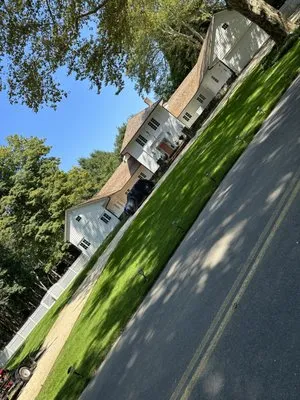
PMC Landscaping has been a trusted name in Locust Valley, NY, for over two decades, specializing in comprehensive landscaping and construction services. We blend practical expertise with a deep unders...
East Nor Property Management is your dedicated property care partner in Locust Valley, NY, specializing in expert snow removal and comprehensive landscaping services. We understand the local challenge...
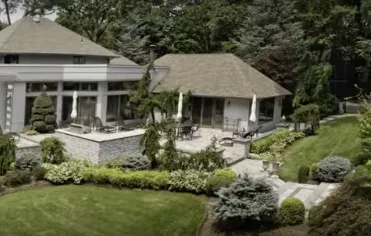
Bromante Landscape & Design is a trusted, locally-owned landscaping company serving Locust Valley, NY, and the surrounding North Shore communities. We specialize in creating and maintaining beautiful,...

J B Landscaping is a dedicated, locally-owned landscaping company serving the Locust Valley, NY area. We understand the common challenges homeowners face, such as sprinkler system leaks and persistent...
Elim Landscaping is a trusted, full-service landscaping company serving Locust Valley and the surrounding North Shore communities. We are a locally owned and operated business built on a foundation of...
For over thirty years, Ciardullo Landscapes & Designs has been the trusted name for high-end residential and commercial landscape architecture in Locust Valley, NY. Our approach is built on a deep und...
Mill Pond Landscaping is your local, trusted partner for maintaining a healthy and beautiful property in Locust Valley. We understand the specific challenges homeowners here face, from persistent weed...

Felice Lisena Paving Contractor & Landscape
Felice Lisena Paving Contractor & Landscape is a dedicated Locust Valley business specializing in transforming and maintaining outdoor spaces for homes and commercial properties. We focus on creating ...
Conn Landscape Service is a trusted, locally-owned landscaping provider serving the Locust Valley community. We specialize in addressing the specific challenges homeowners in our area face, such as pe...
ER Landscaping of LI is a Locust Valley-based landscaping and masonry contractor serving residential and commercial clients across Long Island's North Shore. With deep roots in the community, we under...
Question Answers
We see invasive vines taking over a hedge. How should we handle removal and treatment?
Common invasive species like English Ivy or Porcelainberry require a targeted, multi-stage approach. Manual removal of root systems is followed by careful, spot-applied herbicide treatment, strictly scheduled outside the Nassau County Fertilizer Law's blackout dates to protect waterways. We then recommend replanting the area with aggressive native competitors like Bayberry to prevent re-establishment. This method eradicates the invader without harming desirable plants or violating local environmental regulations.
Our backyard pools water after heavy rain. What's the best long-term fix for our property?
Moderate runoff on sandy loam indicates a permeability issue, often due to subsurface compaction or poor grading. The solution integrates subsurface French drains or dry wells to capture and redirect water. For any new hardscape, specify permeable installation methods for bluestone pavers or use permeable pavers to meet Town of Oyster Bay stormwater management standards. These systems work synergistically to increase infiltration and prevent erosion, addressing the coastal sandy soil's limited capacity to absorb sudden, heavy downpours.
Is bluestone or wood a better choice for a new patio that will last?
Bluestone pavers offer superior longevity and lower lifetime maintenance compared to wood, which requires regular sealing and is susceptible to rot and insect damage. In our USDA Zone 7b climate, bluestone's durability against freeze-thaw cycles is proven. For properties concerned with fire resilience, bluestone also contributes to the non-combustible defensible space recommended in Firewise assessments, an increasingly relevant consideration for suburban residential areas despite a currently low community rating.
We want to reduce mowing, noise, and maintenance. What are our options?
Transitioning high-maintenance turf areas to a climate-adaptive landscape is key. Incorporating native plants like Eastern Redbud, Highbush Blueberry, and Switchgrass significantly reduces water, fertilizer, and weekly mowing demands. This xeriscaping approach future-proofs your property against tightening noise ordinances that target gas-powered blowers and mowers. A layered planting of these natives supports local biodiversity, builds soil health, and provides year-round visual interest with minimal inputs.
A storm dropped a large limb in our yard. How quickly can a crew get here for an emergency cleanup?
For HOA compliance or safety-critical cleanup, our standard dispatch from the Locust Valley Library area via NY-107 ensures a 20-30 minute arrival during peak hours. We prioritize these calls with electric-charged, low-noise equipment that complies with the local commercial hours ordinance. The route is optimized to bypass typical village congestion, and crews are equipped to perform an initial assessment and secure the site upon arrival, with full debris removal following the immediate safety work.
What permits and qualifications should we verify before hiring for a major grading and drainage project?
Any significant alteration of land on a 0.45-acre lot requires verified licensing and permits. Contractors must hold appropriate licensing through the Nassau County Office of Consumer Affairs. The Town of Oyster Bay Planning and Development Department typically requires a permit for regrading that changes water flow or involves substantial earth movement. Hiring an unlicensed entity risks fines, invalidated insurance, and improper work that can cause downstream drainage issues for you and your neighbors.
Our lawn has never been great. Is it just the soil, or is something else going on?
The age of your property is a primary factor. With the neighborhood's average construction date of 1949, the soil profile is approximately 77 years old. In Locust Valley's acidic sandy loam, this long period has likely led to severe compaction and nutrient leaching, diminishing the soil's water-holding capacity and biological activity. Core aeration in early spring or fall is essential to break up compaction and allow for the incorporation of organic compost, which will buffer the pH and rebuild a healthy soil ecosystem for your turf and planting beds.
How do we keep our Kentucky Bluegrass lawn green during summer without wasting water?
Adhering to the voluntary conservation stage requires precision. A Wi-Fi ET-based irrigation system is the solution, as it automatically adjusts watering schedules in real-time based on local evapotranspiration data, soil moisture, and forecasted rain. This technology applies water only when and where your specific turf blend needs it, typically reducing usage by 20-40% compared to traditional timers. It effectively maintains turf health within municipal guidelines by preventing both drought stress and the wasteful runoff common in sandy soils.
