Top Landscaping Services in Livingston, NY, 12523 | Compare & Call
There are 80 landscaping companies server in Livingston NY
Joseph Tree Service and Lawn Maintenance
For over 35 years, Joseph Tree Service and Lawn Maintenance has been a trusted partner for homeowners in Carmel, NY, and the surrounding Hudson Valley. Founded in 1987, our family-owned business is bu...
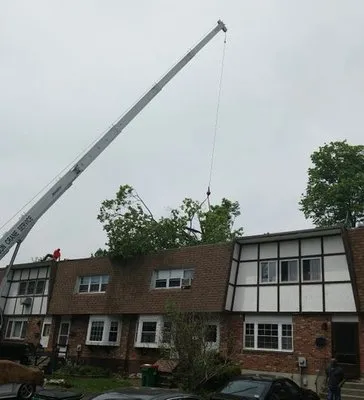
ADVANCED ARBORISTS & LANDSCAPERS
Advanced Arborists & Landscapers is a Fishkill-based company built on over 24 years of professional experience. Founder and NYS DEC certified applicator, we specialize in the precise identification an...
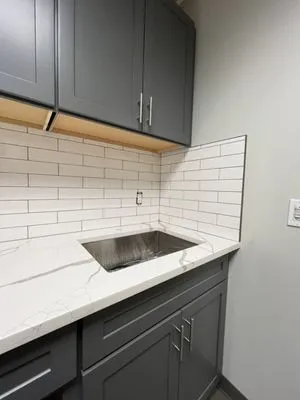
Bedrock Hardscape & Builders
Bedrock Hardscape & Builders LLC is a locally owned and operated contractor serving Stormville, NY, and the surrounding areas. We combine expertise in hardscaping, home construction, renovation, and f...
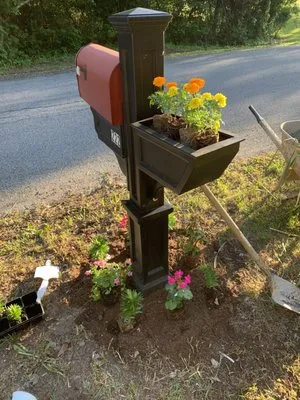
Quaker Landscaping is a full-service landscaping contractor serving Poughkeepsie, NY, and the surrounding Hudson Valley. We specialize in addressing common local property challenges, such as poor lawn...

In A Jiffy is a trusted Poughkeepsie home services provider founded by Akim Murray. We specialize in making your home projects simpler, offering reliable moving services, expert landscaping, and skill...
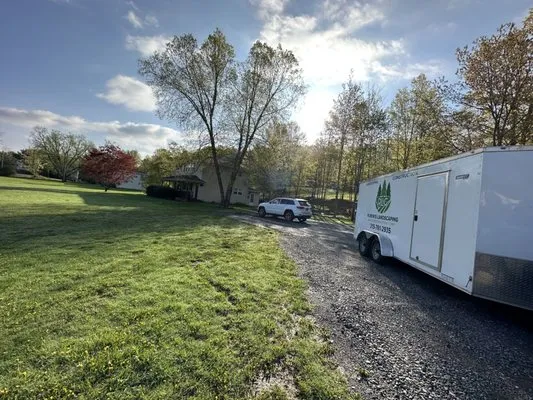
Rubens Landscaping And Construction is a registered landscaping and construction company based in Poughkeepsie, NY, established in 2019. We specialize in comprehensive lawn care and tree services, inc...
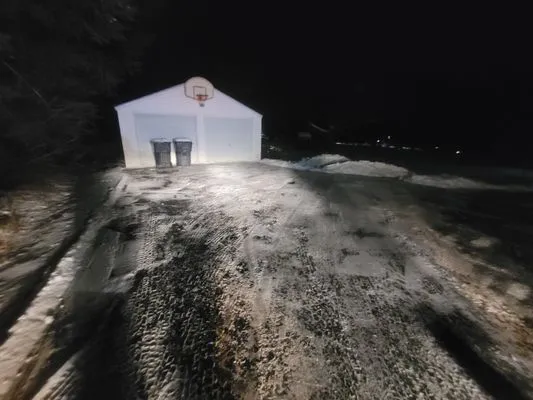
MJI Outdoor Services
MJI Outdoor Services LLC is a trusted local landscaping and hardscape company based in Rensselaer, NY, serving Eastern New York and Western New England. We transform outdoor spaces for homeowners and ...
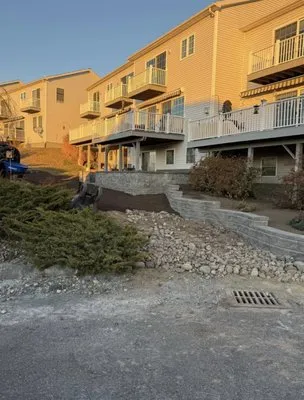
Pasinello Companies is a trusted, locally-owned contractor in Averill Park, NY, serving the Capital Region for over five years. We specialize in a full range of earthwork, landscaping, and masonry ser...
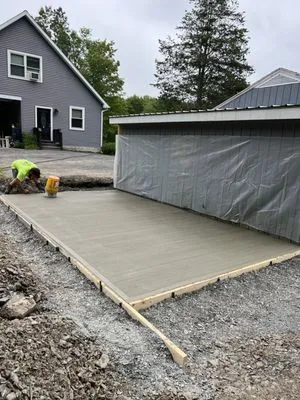
Burls Property Management
Burls Property Management is a trusted, full-service contractor serving Nassau, NY, and the surrounding area. We specialize in excavation, landscaping, and masonry/concrete work, offering a comprehens...
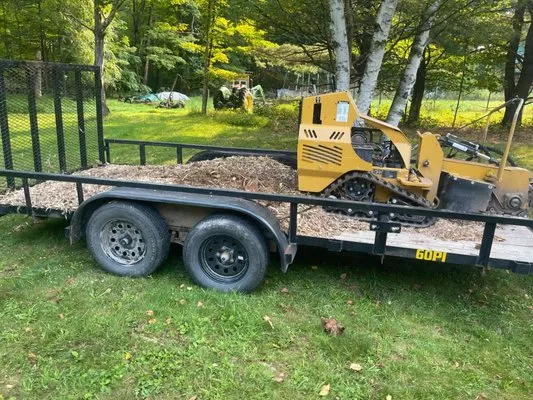
JJ Tree Service
JJ Tree Service has been a family-owned and operated part of the Preston Hollow community for over 13 years. Owner JJ's lifelong passion for trees began in the local woods, leading to a career dedicat...
Estimated Landscaping Service Costs in Livingston, NY
Question Answers
Can I reduce maintenance while supporting local ecology in Livingston?
Replace 50% of high-maintenance turf with native plant communities featuring common milkweed, New England aster, and Joe-Pye weed. These species require no chemical inputs and support 47% more pollinator species than traditional landscaping. Electric maintenance equipment meets 2026 noise ordinance requirements while eliminating gas emissions. This approach reduces mowing frequency from weekly to monthly during growing seasons.
How quickly can you respond to storm damage for HOA compliance in Livingston?
Emergency cleanup crews dispatch from Livingston Town Hall via NY-9G within 30 minutes of notification. Peak storm response requires 45-60 minutes travel time accounting for debris clearance. Our electric maintenance fleet operates within standard decibel limits during restricted hours (8 PM to 7 AM). We prioritize safety zones first, then address visibility hazards along property lines.
What solutions exist for seasonal saturation in Livingston's clay-heavy lowlands?
Moderate seasonal saturation in acidic silt loam requires subsurface drainage systems. Install French drains with 4-inch perforated pipe at 18-inch depth, sloping 1% toward daylight. Blue stone pavers provide 40% permeability when installed with open-joint patterns, exceeding Livingston Building & Planning Department runoff standards. For severe cases, consider rain gardens with switchgrass to absorb 30% more stormwater.
How do I manage invasive species without violating fertilizer regulations?
Japanese knotweed and garlic mustard present the highest invasive risks in Livingston. Manual removal before seed set in early June avoids New York State Phosphorus Runoff Law violations. Apply 20% acetic acid vinegar solutions to cut stems rather than synthetic herbicides. For persistent infestations, solarize soil with clear plastic for 6-8 weeks during July-August heat peaks. Always check local blackout dates for any soil amendments.
What permits and licenses are needed for grading my 1.5-acre Livingston property?
The Livingston Building & Planning Department requires erosion control permits for any grading exceeding 100 cubic yards. On 1.5-acre lots, this typically triggers review for stormwater management plans. Contractors must hold New York State Department of State Division of Licensing Services certification for landscape architecture or engineering. Proper licensing ensures compliance with sediment control regulations and protects against $10,000+ fines for unauthorized earth movement.
Should I water my Kentucky Bluegrass lawn during dry spells in Livingston?
Livingston currently maintains Stage 0 water restrictions with no active limitations. Wi-Fi ET-based weather sensing irrigation calculates evapotranspiration rates specific to USDA Zone 5b. Systems automatically adjust runtime based on soil moisture sensors, reducing water use 30-40% while preserving turf health. Schedule irrigation between 4-7 AM to minimize evaporation losses during summer months.
Are blue stone pavers better than wood for Livingston's climate?
Blue stone pavers offer 50-year durability versus wood's 15-year lifespan in USDA Zone 5b. Their thermal mass moderates temperature fluctuations, reducing frost heave damage. For fire-wise compliance in low-risk woodland buffers, maintain 30-foot defensible space with non-combustible hardscaping. Blue stone's natural cleft surface provides slip resistance during winter months while requiring minimal chemical treatments for maintenance.
Why does my Livingston Center lawn have such poor drainage and compaction issues?
Livingston Center properties built around 1970 have 56-year-old soil profiles. Acidic silt loam with pH 5.8-6.2 naturally compacts over decades, especially with high clay content in lowland areas. This soil maturity reduces permeability to 0.5 inches per hour, requiring core aeration every 2-3 years. Incorporate 2-3 cubic yards of compost per 1,000 square feet to improve soil structure and increase organic matter above 5%.
