Top Landscaping Services in Liverpool, NY, 13088 | Compare & Call

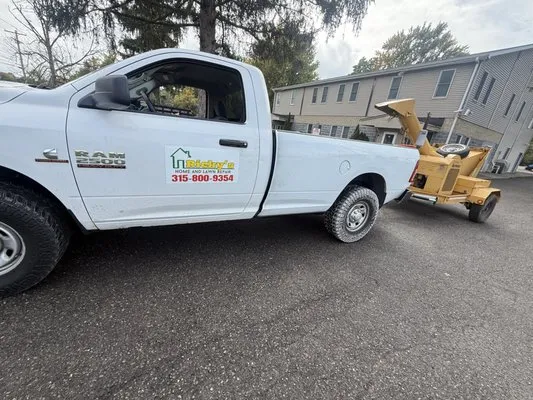
Ricky's Home and Lawn in Liverpool, NY, is a locally owned and operated business that began in 2021 when founder Ricky, a passionate gardener, started offering lawn and landscaping services to neighbo...

NB Snowplowing & Landscaping is a Liverpool-based company specializing in comprehensive snow removal and landscaping services to address common local challenges. Many homes in the area face issues lik...

Ballantyne Gardens is a Liverpool, NY garden center and landscaping service founded on deep-rooted expertise and a passion for sharing horticultural knowledge. Co-owners Tim, a Certified Nursery and L...
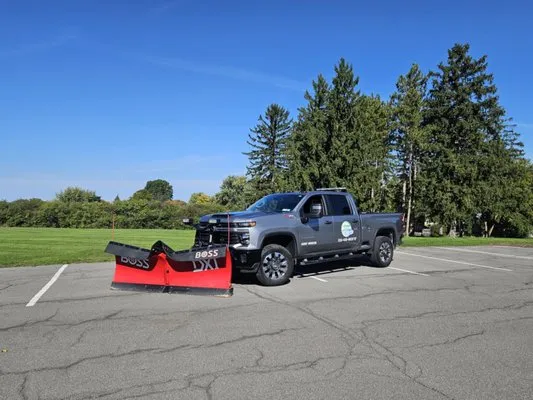
H&J Lawn and Snow is a trusted, local service provider in Liverpool, NY, dedicated to keeping your property healthy and accessible year-round. We specialize in comprehensive lawn care and reliable sno...

Three Rivers Landscaping is a Liverpool-based landscape design firm specializing in creating beautiful, functional, and sustainable outdoor spaces for Central New York homeowners. We understand the lo...
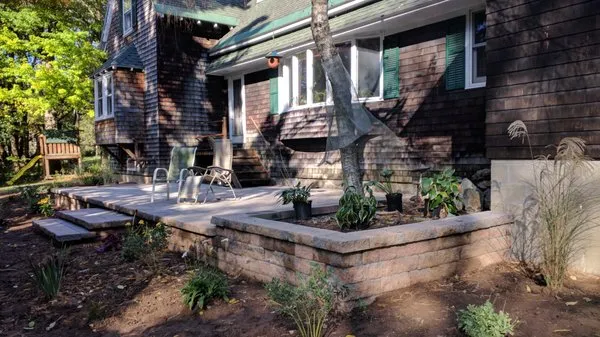
Landscape Urgent Care in Liverpool, NY is a professional landscaping service founded on decades of expertise and a genuine passion for the natural environment. With nearly 50 years of experience as a ...
Juana Plow is a trusted local service provider in Liverpool, NY, specializing in snow removal, landscaping, junk removal, and hauling. For Liverpool homeowners dealing with common landscaping challeng...
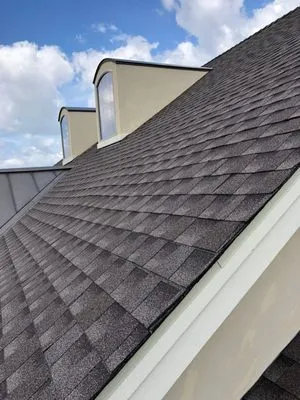
Excellent Lawn Landscaping and Construction is a trusted, full-service contractor serving Liverpool, NY, and the surrounding communities. We specialize in both landscaping and building construction, o...
Shawn Murphy Landscaping is a trusted, locally-owned landscaping company serving homeowners in Liverpool, NY, and the surrounding areas. We understand the common challenges local residents face, such ...
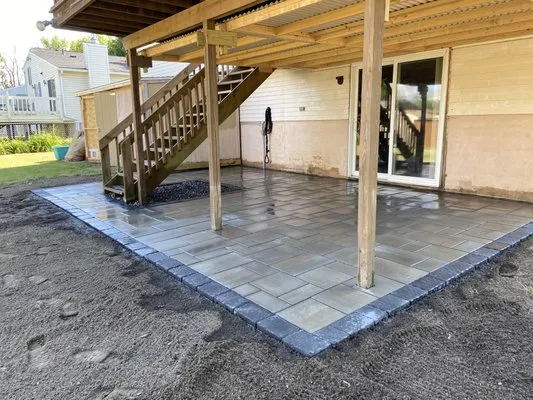
Ground Force Property Services is a veteran-owned and operated landscaping and hardscaping business proudly serving the Liverpool, NY community since 2018. As a BBB-accredited, service-disabled vetera...
FAQs
What invasive species should we watch for, and how do we remove them safely?
In this area, be vigilant for Japanese knotweed, garlic mustard, and tree-of-heaven. Manual removal for young plants and targeted, systemic herbicide application for established infestations are most effective, always following label instructions. It is critical to note that any treatment must comply with New York State's Nutrient Runoff Law, which prohibits phosphorus application on established lawns and has specific seasonal blackout dates for other fertilizers to protect Onondaga Lake watershed health.
We want a lower-maintenance, eco-friendly yard. What are the best native plants for here?
Transitioning to a landscape based on Central New York natives like Panicum virgatum (switchgrass), Echinacea purpurea (purple coneflower), and Symphyotrichum novae-angliae (New England aster) drastically reduces water, fertilizer, and maintenance needs. These plants are adapted to our Zone 6a climate and silt loam soils, supporting local pollinators and biodiversity. This approach also future-proofs your property against evolving noise ordinances that restrict gas-powered blowers and mowers, as native plantings require less frequent cutting.
Why is the soil in our neighborhood so hard to work with, and what can be done to improve it?
Liverpool properties, often built in the mid-20th century, have soil that is now over 80 years old. This maturity in a silt loam profile typically leads to significant compaction from decades of foot traffic and traditional maintenance, reducing percolation and root penetration. Core aeration is essential to address this, followed by top-dressing with compost to increase organic matter and improve soil structure. This process directly counteracts the natural densification of our local soil, enhancing its ability to support healthy turf and plantings.
Our yard stays soggy and we get frost heaves on the walkway. What's the cause and a good fix?
This is a common issue in Liverpool due to the high seasonal water table interacting with our dense silt loam soil, which has slow permeability. Improving subsurface drainage with French drains or dry wells is often necessary. For hardscapes, using permeable installation methods with bluestone pavers can significantly reduce surface runoff and mitigate frost heave by allowing water to infiltrate. These solutions also help properties comply with the Village of Liverpool's stormwater management expectations.
What permits and contractor qualifications are needed for a landscaping project on a typical Liverpool lot?
For any significant grading, drainage work, or structural installation on a 0.22-acre lot, you must engage a licensed professional. The contractor must hold appropriate licensing through the New York State Department of State Division of Licensing Services. Projects often require a permit from the Village of Liverpool Planning and Development office, especially if they alter stormwater flow or involve substantial hardscaping. Verifying both state licensing and local permits protects you from liability and ensures work meets municipal code for erosion control and property line setbacks.
Is bluestone a good choice for a new patio, and how does it compare to composite or wood?
Bluestone is an excellent, durable choice for our climate, offering superior longevity and a lower lifetime cost compared to wood, which is susceptible to rot and insect damage. Its natural thermal mass helps mitigate freeze-thaw cycles better than many composites. In the context of Liverpool's low Fire Wise rating, bluestone provides a non-combustible, defensible space immediately adjacent to the home, which is a prudent safety consideration for any hardscape installation in an urban-suburban interface.
With no official water restrictions, what's the most efficient way to water our lawn and gardens?
While mandatory restrictions are not in place, standard conservation is expected. An ET-based smart irrigation controller is the optimal solution, as it automatically adjusts watering schedules based on real-time evapotranspiration data from local weather stations. This system, particularly when paired with drip zones for planting beds, delivers water directly to root zones, minimizing waste. It maintains the health of your Kentucky Bluegrass mix while using significantly less water than traditional timer-based systems.
How quickly can a crew respond for an emergency cleanup or to address an HOA violation notice?
For urgent service requests from the Village of Liverpool, our standard storm or compliance response is 20-30 minutes during peak hours. We dispatch crews from our central staging area near Onondaga Lake Park, utilizing the I-90 Thruway for efficient north-south access across the service area. This routing ensures we can meet most critical timelines, whether for post-storm debris removal or corrective landscaping to adhere to neighborhood standards.
