Top Landscaping Services in Little Valley, NY, 14755 | Compare & Call


JD Landscaping is a trusted local business in Little Valley, NY, specializing in comprehensive gardening, tree services, and landscaping solutions. We help homeowners address common local issues like ...

BrewCrew Handyman is your trusted local handyman service in Little Valley, NY, specializing in handyman work, snow removal, and landscaping. We understand the unique challenges homeowners face in our ...
Wolf Run Property Care is a trusted local landscaping and gutter service provider in Little Valley, NY. We specialize in addressing the common property challenges faced by area homeowners, particularl...
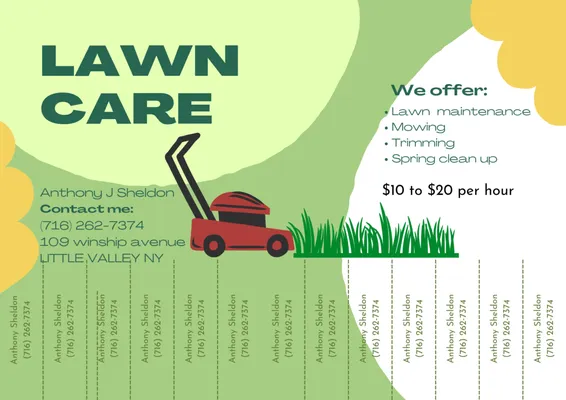
Anthony Sheldon's provides trusted lawn care services for the Little Valley, NY community. We understand the common local challenges homeowners face, such as patchy grass and poor lawn grading that ca...
FAQs
What are the biggest lawn weed threats and how do I handle them safely?
Invasive species like Japanese Knotweed and Garlic Mustard pose significant risks in this area. Treatment requires a targeted, seasonally-timed approach. Any fertilizer or herbicide application must comply with New York State's Nutrient Runoff Law, which restricts phosphorus content. We employ organic, non-chemical methods first, such as manual removal and solarization, and use only compliant, selective treatments when necessary, applied outside of forecasted rain events to prevent watershed contamination.
What permits or licenses are needed for regrading my backyard?
Regrading a 0.35-acre lot in Cattaraugus County often requires a permit from the Department of Economic Development, Planning, and Tourism, especially if it alters drainage patterns or involves significant cut and fill. Furthermore, any contractor performing this work must hold appropriate licensing through the NYS Department of State's Division of Licensing Services. This ensures they carry the required insurance and adhere to state codes governing excavation, erosion control, and property line setbacks.
My yard becomes a soggy mess every spring. What's the solution?
Seasonal saturation is a common issue in Little Valley due to poorly drained glacial till beneath acidic channery silt loam. Effective solutions require improving sub-surface permeability. Installing French drains tied to dry wells is a primary strategy. For new hardscaping, using permeable base materials beneath local fieldstone or bluestone patios can significantly reduce surface runoff, helping projects meet the Cattaraugus County permit office standards for stormwater management.
Why is my soil so compacted and acidic even after all these years?
Properties in Little Valley's Main Street District, with an average home age of 88 years, have mature soils heavily influenced by underlying glacial till and a long history of traditional lawn care. The prevalent acidic channery silt loam (pH 5.5-6.2) naturally tends to compact, reducing permeability. Decades of foot traffic and seasonal saturation have further degraded soil structure, necessitating core aeration and amendments like composted leaf litter to rebuild organic matter and improve percolation.
Is bluestone or pressure-treated wood better for a long-lasting patio?
For longevity and minimal maintenance, locally sourced bluestone and fieldstone are superior to wood. These materials have an indefinite lifespan, require no sealing or chemical treatments, and provide excellent fire resistance. In Little Valley's low Fire Wise rating zone, using non-combustible stone for patios and pathways directly contributes to creating defensible space, a key consideration for rural-suburban interface properties. Stone also offers better permeability options than solid wood decks.
How quickly can a crew arrive for emergency storm debris cleanup?
For urgent HOA compliance or post-storm emergencies, a dispatched crew from the Little Valley Town Hall area typically routes via US Route 219 to reach most properties within the Main Street District. Accounting for local traffic and debris conditions, peak response time is 45-60 minutes. Our electric maintenance fleet, compliant with the 7:00 AM to 9:00 PM noise ordinance, allows for efficient, low-noise operation upon arrival to begin immediate site assessment and clearing.
Can I have a beautiful yard that needs less mowing and noise?
Absolutely. Transitioning areas of high-maintenance turf to a xeriscape featuring native plants like Common Milkweed, New England Aster, and Wild Bergamot drastically reduces water and chemical inputs. These adapted species require no weekly mowing, aligning with evolving noise ordinances that may restrict gas-powered equipment. This biodiversity-focused landscaping also provides critical habitat and creates a resilient, low-input landscape that thrives in USDA Zone 5a conditions.
Is manual watering sufficient for a healthy Kentucky Bluegrass lawn here?
While Little Valley has no municipal water restrictions, manual irrigation often leads to overwatering or underwatering, stressing the fine fescue mix in your lawn. Installing a soil moisture-sensor-based irrigation system is recommended. This technology applies water only when the root zone requires it, based on real-time evapotranspiration (ET) data, conserving the abundant watershed resource while maintaining turf health and preventing the shallow root development caused by frequent, light watering.
