Top Landscaping Services in Little Neck, NY, 11362 | Compare & Call
There are 198 landscaping companies server in Little Neck NY
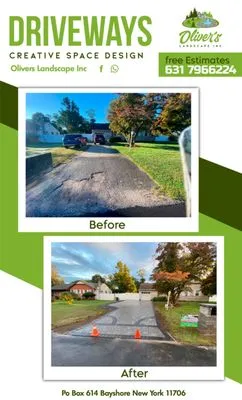
Oliver's Landscape is a trusted Bay Shore, NY contractor with over 14 years of experience transforming local outdoor spaces. We specialize in durable masonry work, from custom patios and walkways to f...
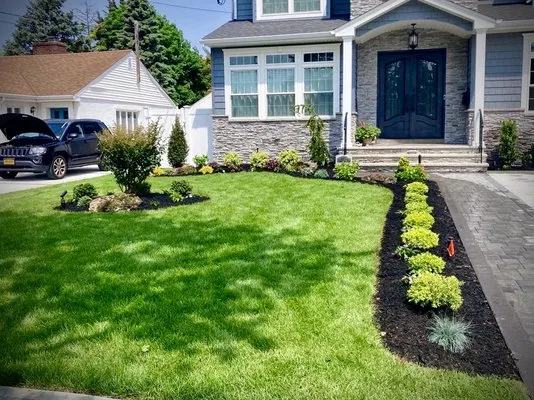
Founded in 1993 by a lifelong Long Islander, A & E Landscaping Design started with a simple mower and a pickup truck. Today, as a licensed and registered design firm, we build on that foundation of ha...
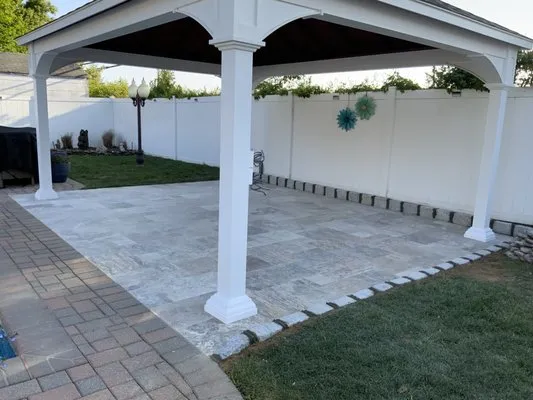
Sivirian Landscaping and Masonry is a full-service outdoor contractor proudly serving the Copiague, NY community. We specialize in transforming properties with custom masonry work, including durable d...
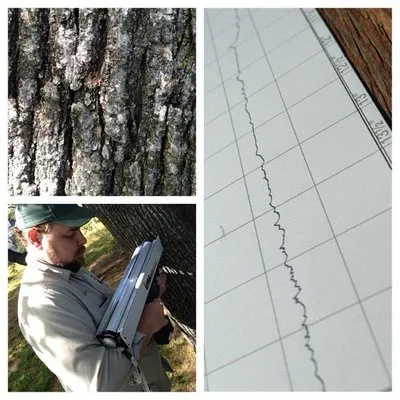
Jolly Green Tree and Shrub Care
Evan, the board-certified master arborist behind Jolly Green Tree and Shrub Care, combines over 48 years of expertise with a deep-rooted passion for Long Island's environment. A graduate of Farmingdal...
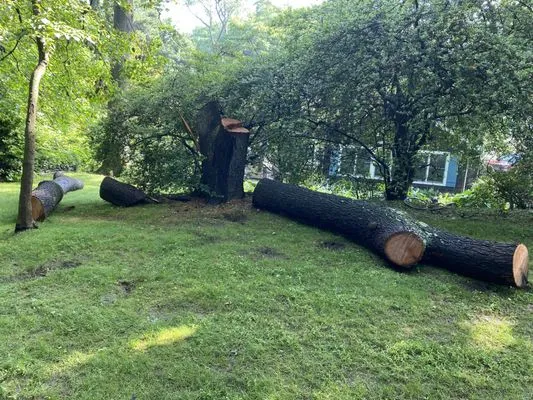
Colgan Tree and Landscape Service, Inc. is a licensed and insured provider serving Kings Park, NY, and the surrounding communities of Suffolk and Nassau County. With a team of certified arborists, we ...
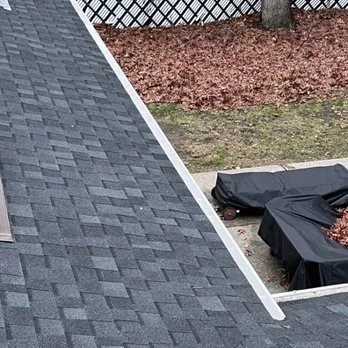
Pm Monster Werks is a trusted, full-service landscaping and gutter specialist serving Lindenhurst, NY. We understand the common local challenges homeowners face, from leaky irrigation systems that was...
BRL Landscaping is a full-service landscaping company serving Amityville, NY, and the surrounding communities. We understand the common frustrations local homeowners face, like overgrown shrubs blocki...
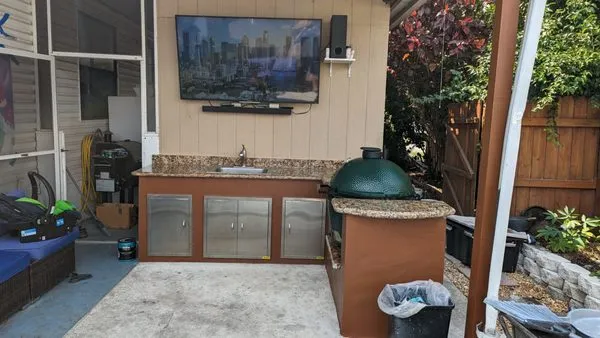
Will Handyman is a versatile home service provider based in Freeport, NY, offering a comprehensive range of solutions from appliance repair to full-scale landscaping. Understanding a common local chal...
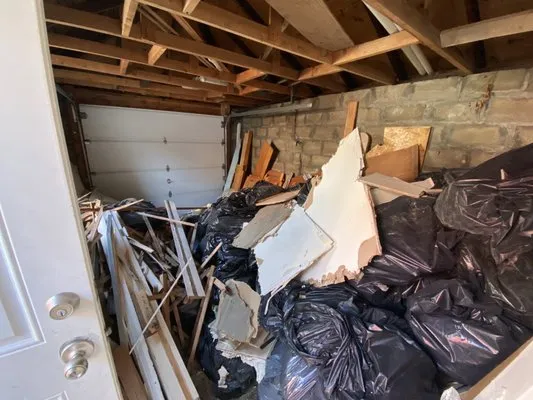
BSK Service is a trusted, full-service provider in Greenlawn, NY, specializing in landscaping, general contracting, and junk removal. We help homeowners and businesses maintain beautiful, functional o...
Environmental Landscaping & Design
Environmental Landscaping & Design has been a trusted part of the Wantagh and Nassau County community since 1984. Founded by Larry, whose passion for landscaping began as a boy cutting lawns in Freepo...
Estimated Landscaping Service Costs in Little Neck, NY
Frequently Asked Questions
With voluntary water conservation, how do I keep my Kentucky Bluegrass blend green?
Stage 1 restrictions emphasize efficiency, which aligns with using smart, Wi-Fi ET-based controllers. These systems adjust schedules daily using local evapotranspiration data, applying water only when the turf truly needs it. This method can reduce usage by 20-30% compared to traditional timers, preserving your Tall Fescue blend's drought tolerance. Properly managed, this approach meets conservation goals while maintaining turf health through summer stress periods.
Do I need a permit to regrade my backyard, and what kind of contractor should I hire?
Regrading a 0.15-acre lot that alters drainage patterns or involves significant cut/fill typically requires a permit from the NYC Department of Buildings. You must hire a landscape contractor licensed by the NYS Department of State. This licensing ensures they carry proper insurance and understand local code, including soil erosion control during work. Unpermitted grading can lead to fines and drainage issues for neighboring properties in Little Neck Hills.
I'm tired of weekly mowing and gas blowers. Is there a quieter, lower-maintenance alternative?
Transitioning sections of high-input turf to a native plant palette is a forward-looking strategy. Species like Switchgrass, Butterfly Milkweed, and New England Aster establish deep root systems, require no mowing, and support local pollinators. This shift reduces dependency on gas-powered equipment, aligning with NYC's restrictive noise ordinances for leaf blowers. The result is a resilient, biodiverse landscape that conserves water and minimizes weekly maintenance labor.
If a storm causes a tree limb to block my driveway, how fast can a crew arrive?
For emergency cleanup, our dispatch from Alley Pond Park uses I-495 (Long Island Expressway) to access Little Neck Hills. Accounting for peak traffic conditions, a dedicated crew with an electric chipper can typically be on-site within 25-35 minutes. This response window is planned specifically for HOA compliance or safety hazards, ensuring rapid debris removal and site stabilization with minimal noise from battery-powered equipment.
Are concrete pavers or bluestone a better long-term choice than wood for a new patio?
Inorganic materials like concrete pavers and bluestone offer superior longevity and minimal upkeep compared to wood, which decays and requires sealing. In our low Fire Wise rating zone, these materials also contribute to defensible space by being non-combustible. Their durability and permeability, when installed with proper base materials, provide a stable, pervious surface that manages runoff effectively for decades without replacement.
Water pools in my backyard after heavy rain. What's a lasting solution?
Periodic ponding is common in sandy loam with underlying compaction, which slows percolation. A graded dry well or shallow swale can redirect moderate runoff. For hardscape areas, replacing solid concrete with permeable concrete pavers or porous bluestone setts significantly increases surface infiltration. These solutions help manage runoff on-site, which is increasingly important for meeting NYC DOB standards on stormwater management and reducing burden on municipal systems.
What invasive species should I watch for, and how do I remove them safely?
Japanese Knotweed and Mugwort are prevalent invasive alerts in our area, aggressively outcompeting natives. Manual removal or targeted, organic-grade vinegar applications are effective initial controls. Critically, any follow-up soil amendments must be phosphorus-free to comply with NYS nutrient runoff law. Timing treatments outside of spring growth peaks and heavy rain forecasts prevents chemical mobilization into waterways, protecting Alley Pond Park's watershed.
My lawn in Little Neck Hills has never been great. Is there a historical reason the soil struggles?
Properties built in the 1950s, like most here, often sit on urban fill—a compacted mix of construction debris and sandy loam. With 75 years of maturation, this soil has developed a weak structure, leading to low permeability and poor nutrient cycling. The typical pH of 6.2-6.8 is suitable, but the physical compaction is the primary issue. Annual core aeration and incorporating compost are non-negotiable to rebuild soil biology and water infiltration for healthy turf.
