Top Landscaping Services in Lawrence, NY, 11516 | Compare & Call

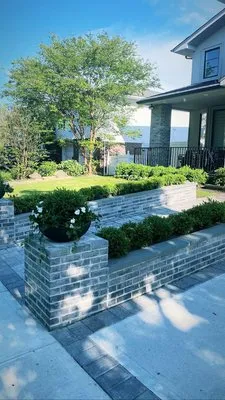
C Munoz Landscaping is a Lawrence-based landscaping and construction company dedicated to transforming outdoor spaces for homeowners and businesses across Long Island. With a focus on professionalism ...
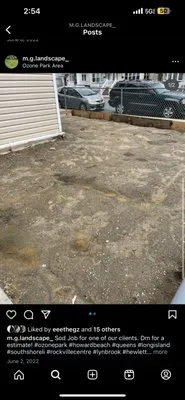
M.G Landscape is a Lawrence-based landscaping company with 10 years of experience transforming outdoor spaces across Nassau County. We specialize in comprehensive landscape design, construction, and m...
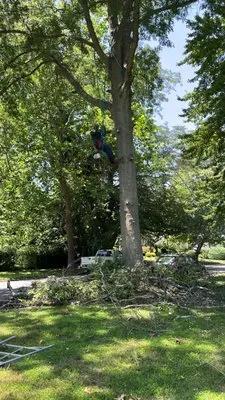
JA Ostorga Landscaping and Tree Services
JA Ostorga Landscaping and Tree Services is a licensed, family-owned business serving Lawrence, NY, and surrounding Nassau and Suffolk County communities for over 20 years. We specialize in custom lan...

Martir R Landscaping is a trusted local landscaping company serving Lawrence, NY, and surrounding Nassau County communities. We specialize in addressing common residential landscaping challenges faced...
Carlos Mejia Landscaping is a trusted local landscaping and tree service provider in Lawrence, NY, dedicated to helping homeowners maintain beautiful, healthy outdoor spaces. We specialize in landscap...
Santo Artusa Landscaping is a trusted local landscaping company serving Lawrence, NY, and the surrounding areas. We specialize in addressing common landscaping challenges faced by homeowners in our co...
Frank Ramos Lawn Care is your trusted local partner for landscaping and pest control in Lawrence, NY. We understand the unique challenges Lawrence homeowners face, from storm debris cleanup after seve...
Question Answers
What invasive species should I watch for in Lawrence, and how do I manage them with the county's fertilizer law in mind?
Common invasive threats in Nassau County include Japanese Knotweed, Mugwort, and Bamboo. Control requires a targeted, multi-season approach. Mechanical removal or precise cut-and-paint herbicide applications are effective, but timing is critical to avoid the Nassau County Nitrogen Fertilizer Law blackout period from December 1 to April 1. Any soil amendments or non-synthetic fertilizers used to restore areas after removal must be applied outside this window. Always prioritize soil health by testing pH and adding organic compost to help desired plants outcompete invasives naturally.
I'm tired of weekly mowing and loud gas blowers. Are there lower-maintenance, quieter landscape options for my property?
Transitioning to a landscape dominated by regionally native plants directly addresses both concerns. Species like Beach Plum, Seaside Goldenrod, and Coastal Panic Grass are adapted to Long Island's coastal conditions, requiring minimal watering, no regular mowing, and infrequent maintenance. This shift significantly reduces the need for gas-powered equipment, keeping your property compliant with weekend and early morning noise ordinance restrictions. The resulting habitat also supports local biodiversity, creating a resilient, self-sustaining landscape that aligns with 2026 ecological standards.
Are permeable pavers a better choice than traditional wood decking for a new patio in Lawrence?
For longevity and stormwater management in Lawrence's coastal environment, permeable concrete pavers are a superior choice. Unlike wood, which requires regular sealing and is susceptible to rot from the high water table, pavers offer a permanent, low-maintenance surface. Their permeability meets modern runoff standards, directly addressing local drainage hazards. While Lawrence has a low Fire Wise rating due to its suburban density, the non-combustible nature of pavers also provides a measure of defensible space compared to a wooden structure, adding a layer of safety.
What permits and licensed professionals are needed to regrade and reshape my 0.35-acre lot in Lawrence?
Regrading a property of this size typically requires a permit from the Village of Lawrence Building Department to ensure changes do not adversely affect stormwater flow onto neighboring parcels or public rights-of-way. The contractor performing the work must hold appropriate licensing through the Nassau County Department of Consumer Affairs. For significant earth moving or when modifying drainage patterns, the village may require a detailed grading plan stamped by a licensed professional engineer or landscape architect. This ensures the work complies with all local codes and protects the property's long-term integrity against erosion and inundation.
How quickly can you respond to an emergency cleanup after a major storm in Lawrence?
For emergency storm response in the Lawrence Village Center, a crew can typically be dispatched within 25-35 minutes during peak conditions. The route from our staging area near the Lawrence Yacht and Country Club utilizes NY-878 (Rockaway Turnpike) for direct access to most properties. Our fleet includes electric-powered equipment compliant with local noise ordinances, allowing for immediate work without time-of-day restrictions. This protocol is designed for rapid HOA compliance and hazard mitigation following coastal storm surge inundation events common to the area.
My yard in Lawrence floods during heavy rains. What's a long-term solution that also meets village codes?
Persistent flooding is a known issue due to Lawrence's high water table and sandy loam soil, which can become saturated. The most effective solution integrates subsurface drainage with surface permeability. Replacing impervious surfaces with permeable concrete pavers is a Village of Lawrence Building Department-compliant strategy that allows stormwater to infiltrate directly into the ground. Coupling this with a graded dry well or French drain system captures and slowly disperses excess runoff, mitigating inundation risk and reducing the burden on municipal storm sewers during coastal storm events.
Why does the soil in my Lawrence Village Center yard seem so compacted and poor, and what can I do about it?
Homes in Lawrence, built around 1964, have soils that are approximately 62 years old. Original construction and decades of standard lawn maintenance compact the native sandy loam, reducing pore space for air and water. This compaction inhibits root growth and soil percolation, creating a dense layer that resists water infiltration. Core aeration paired with top-dressing using composted organic matter is the primary corrective action. This process reintroduces oxygen and builds stable soil aggregates, directly addressing the legacy of compaction from the neighborhood's development era.
Is it possible to maintain a healthy Kentucky Bluegrass lawn under Lawrence's Stage 1 water conservation rules?
Yes, maintaining turf health under voluntary conservation is achievable with precise irrigation management. Smart Wi-Fi ET-based controllers are essential; they automatically adjust watering schedules by calculating daily evapotranspiration (ET) rates from local weather data. This technology applies water only when and in the amount the grass actually needs, preventing overwatering and aligning with municipal limits. For a Fine Fescue and Bluegrass blend, this system promotes deeper root growth, enhancing drought tolerance and ensuring the lawn remains resilient within the conservation framework.
