Top Landscaping Services in Larchmont, NY, 10538 | Compare & Call

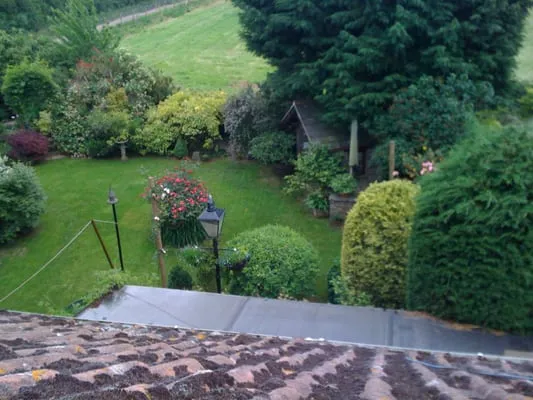
The English Gardener brings professional landscaping expertise from Bristol, England to Larchmont, NY. Owner Luke Norton combines over 7 years of experience co-owning a successful landscaping business...
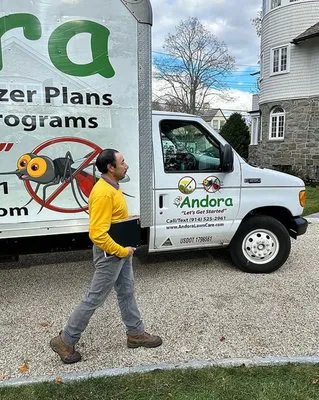
Andora Lawn Care is a locally owned and operated lawn care company that has been serving Larchmont and its surrounding communities since 2003. Our family lives right here in town, our kids go to local...

JC Landscapers & General Contractors
JC Landscapers & General Contractors is a trusted local business serving Larchmont, NY, specializing in both landscaping and general contracting services. We understand the common challenges homeowner...
Davidson Landscaping is a trusted lawn care provider serving Larchmont, NY, specializing in comprehensive lawn services to address common local landscaping challenges. Many Larchmont homes face issues...
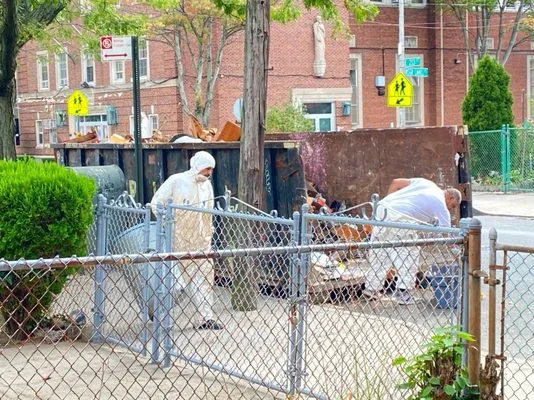
M&M Cleaning Unlimited
M&M Cleaning Unlimited is a Larchmont-based cleaning company dedicated to making clients feel at home with our comprehensive services. We specialize in both residential and commercial cleaning, offeri...
Q&A
My backyard stays soggy for days after rain. What's the solution for poor drainage?
This is a classic symptom of the poorly drained clay lenses within our glacial till. Surface runoff is high because water cannot infiltrate. The solution combines subsurface and surface strategies. Installing a French drain system to intercept water and direct it away is key. For new patios or walkways, specifying permeable bluestone paver installations increases ground absorption and can help meet Village runoff management standards.
Is a bluestone patio better than a wood deck for longevity in our climate?
For long-term durability and value, bluestone is superior. It is impervious to rot, insect damage, and the freeze-thaw cycles of Zone 7b, requiring only occasional re-sanding of joints. While wood demands frequent sealing and replacement, bluestone patios last decades. From a Firewise perspective, its non-combustible nature also provides superior defensible space compared to a wooden deck, an important consideration for overall property resilience.
I want a lower-maintenance, quieter yard. What are my options beyond weekly mowing?
Transitioning turf areas to layered plantings of Larchmont-adapted natives like Eastern Redbud, Sweet Pepperbush, and Little Bluestem grass drastically reduces maintenance. These deep-rooted plants require no supplemental water once established, eliminate weekly mowing, and provide critical habitat. This shift also future-proofs your property against expanding gas-powered equipment bans, as these landscapes are maintained with quiet electric tools and hand clippers.
Do I need a permit to regrade my yard or install a dry creek bed?
Yes. Any significant earth moving or drainage work on a 0.22-acre lot typically requires a permit from the Village of Larchmont Building Department. Regulations govern how stormwater is managed to prevent impacting neighboring properties. Furthermore, the contractor performing this work must hold appropriate licensing through the Westchester County Department of Consumer Protection. This ensures they carry required insurance and adhere to codes protecting you from liability for improper grading or runoff.
A storm knocked down a large limb. How quickly can a crew get here for an emergency cleanup?
For HOA compliance or safety hazards, we prioritize emergency dispatch. A crew stationed near Constitution Park can access I-95 and typically reach most Larchmont Manor addresses within the 20-30 minute window during peak conditions. The route is optimized for bypassing local school traffic, ensuring a rapid response to secure the property and begin debris processing with our electric chippers.
My lawn in Larchmont Manor is thin and struggles to grow. Is this just an old lawn?
Properties built in the 1930s, like many here, have soils that have matured for nearly 90 years. The underlying acidic glacial till, with its dense clay lenses, has become severely compacted, restricting root growth and water percolation. This compaction is the primary cause of poor turf health, not simply age. Core aeration in early fall, followed by top-dressing with compost, is critical to alleviate compaction and build organic matter in the soil profile.
I see invasive vines and weeds taking over. How do I treat them safely?
Common invaders like Japanese knotweed or porcelain-berry require a targeted, multi-year management plan. Manual removal for seedlings and careful, spot-applied herbicide for mature roots are necessary, always following label directions. Crucially, any fertilizer used in a remediation program must be phosphorus-free to comply with the Westchester County ban. Treatments should be timed for early fall or late spring, avoiding summer heat to prevent drift and maximize effectiveness.
How can I keep my Kentucky Bluegrass lawn green during Larchmont's voluntary water conservation?
Wi-Fi ET-based weather sensing controllers are the precise tool for this. They automatically adjust watering schedules daily based on real-time evapotranspiration data, rainfall, and humidity. This system applies water only when and where the turfgrass blend truly needs it, eliminating waste. It is the most effective method to maintain turf health while adhering to Stage 1 conservation, often reducing total water use by 20-30%.
